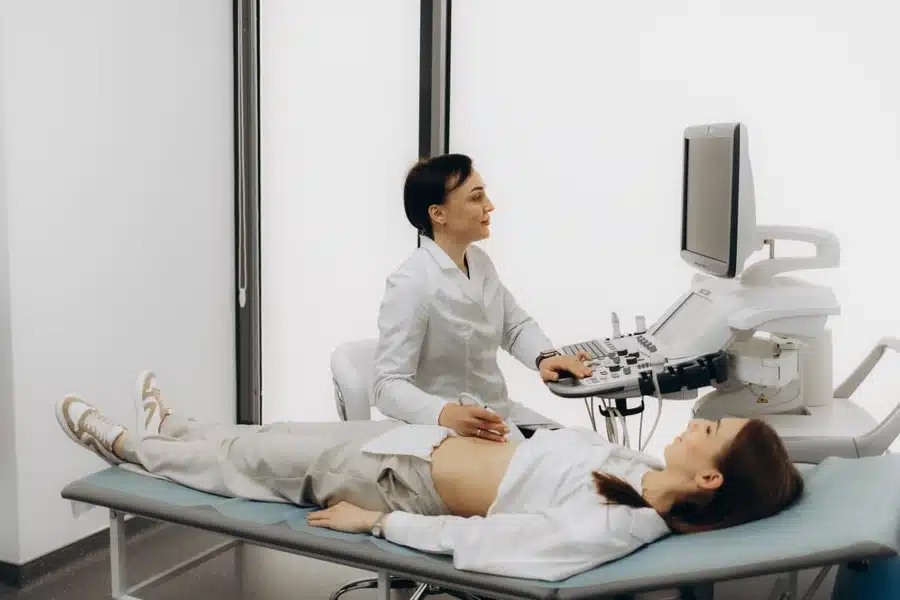
IVF Treatment for Patients from Youngstown, OH
For individuals and couples from Youngstown, OH who are considering IVF Treatment, Pittsburgh Fertility offers a clear path to discussing in vitro fertilization at its Pittsburgh, PA location. IVF can help when pregnancy has not happened with less intensive care, when a known fertility factor affects conception, or when a treatment plan calls for creating embryos outside the body. The first step is not committing to a cycle. It is getting individualized information, asking candid questions, and understanding what may fit your goals.
Fertility care can involve medical decisions, scheduling, finances, and significant emotions. Pittsburgh Fertility provides a setting in Pittsburgh, Pennsylvania, where patients from Ohio can explore assisted reproductive options and build a plan around their own diagnosis, timeline, and family-building priorities. A thoughtful consultation helps turn a complicated process into a series of understandable decisions.
What IVF treatment involves
In vitro fertilization is a multistep assisted reproductive technology process in which eggs are retrieved, fertilized with sperm in a laboratory, and developed into embryos that may be transferred to the uterus. It differs from timed intercourse, ovulation induction, and intrauterine insemination because fertilization and early embryo development occur outside the body. The appropriate approach depends on the clinical picture and personal preferences.
IVF clinic care gives patients a structured framework for discussing medications, egg retrieval, sperm preparation, embryo development, and embryo transfer. In this discussion, IVF is not a single appointment or a one-size-fits-all solution. It is a coordinated treatment cycle with clinical milestones that should be explained before you decide whether to proceed.
People from Youngstown and elsewhere in Ohio may ask about IVF after a period of unsuccessful attempts to conceive, known ovulation concerns, tubal factors, male-factor infertility, diminished ovarian reserve, unexplained infertility, or prior treatment that did not lead to pregnancy. It may also be part of a broader plan involving donor sperm, donor eggs, or embryo testing. Only a fertility evaluation can clarify which options are medically appropriate for a particular patient.
From ovarian stimulation to embryo transfer
An IVF cycle generally begins with medication used to encourage multiple follicles to grow. The care team monitors the response and times the next steps based on follicle development. After eggs mature, retrieval is performed using ultrasound guidance, and the eggs are evaluated for maturity by embryology staff.
- Stimulation and monitoring: Fertility medications support the development of mature eggs, with monitoring used to guide timing.
- Egg retrieval: Eggs are collected in an office procedure, typically with light anesthesia, after the follicles have reached maturity.
- Fertilization and embryo culture: A sperm sample from a partner or donor is prepared, and the laboratory team fertilizes mature eggs and observes embryo development.
- Transfer planning: The care team discusses whether and when an embryo transfer is appropriate, based on the treatment plan and clinical circumstances.
Some patients experience mild cramping after retrieval, and medication schedules can feel demanding. Asking how monitoring, procedures, instructions, and follow-up are organized can help you prepare for the practical side of care. Patients traveling from Youngstown, OH should also discuss in-person appointment needs early so they can make decisions with a realistic understanding of the treatment sequence.
Building a plan before starting a cycle
A strong IVF decision starts with a complete discussion of medical history, prior pregnancies, previous fertility treatment, medications, and desired family-building path. Pittsburgh Fertility can use that conversation to explain the evaluation process and the role IVF may or may not play. Starting with the right questions can prevent patients from feeling rushed toward a treatment that has not been fully explained.
Begin with a fertility consultation
A fertility consultation is an opportunity to review your history, discuss concerns, and learn what diagnostic information may be needed before recommending care. It is useful for people who are new to reproductive medicine as well as those who have already tried treatment elsewhere. Bring questions about potential causes of infertility, the purpose of proposed testing, treatment timing, and what decisions you may need to make during a cycle.
After evaluation, a fertility treatment plan can organize the next clinical steps around your results and priorities. A plan may address whether IVF, medication-based treatment, intrauterine insemination, fertility preservation, or another path deserves consideration. It should also make clear which recommendations are based on diagnosis, which choices are optional, and what follow-up information could change the plan.
When IVF may be compared with other options
IVF is often more involved than treatments that focus on ovulation timing or insemination, but it also provides more direct control over egg retrieval, fertilization, and embryo development. For some patients, a less intensive treatment may be reasonable first; for others, a particular diagnosis or prior treatment history may make IVF a more relevant discussion. The important comparison is not which treatment is universally better, but which option aligns with your medical circumstances, time considerations, and comfort with each process.
- What findings make IVF worth considering in my situation?
- Are there lower-intensity treatments that are reasonable, and what are their limitations?
- What medications, procedures, and monitoring visits are anticipated?
- How will embryo transfer timing and any additional laboratory options be decided?
- What should I plan for before and after retrieval?
Options that can shape an IVF cycle
Not every IVF cycle includes the same laboratory services. Decisions about sperm source, fertilization methods, embryo freezing, transfer timing, and testing should be made with a clear explanation of why each option is being discussed. Patients deserve to understand both the purpose of an add-on and whether it is relevant to their specific situation.
Understanding IVF with genetic testing
IVF with genetic testing refers to an IVF pathway that includes testing embryos before transfer in appropriate circumstances. This option may be discussed for specific medical or reproductive reasons, and it involves separate decisions about embryo biopsy, testing goals, and how results may guide transfer planning. A fertility specialist can explain what testing can evaluate, its limits, and whether it is relevant to your history rather than presenting it as a universal step.
Embryo testing is not the same as a guarantee of pregnancy or a guarantee of a healthy child. It is one component that may inform embryo-selection decisions when clinically appropriate. Patients should feel comfortable asking what a result can and cannot tell them, whether testing changes the expected timeline, and what options exist if there are no embryos suitable for transfer.
Practical support for Youngstown-area patients
Choosing IVF involves more than understanding the medicine. Patients from Youngstown, Ohio may need to coordinate time away from work, support at home, medication instructions, and appointments in Pittsburgh, PA. Discussing expected visit types and timing before a cycle begins can make the process easier to organize without assuming a particular travel schedule or care arrangement.
Pittsburgh Fertility’s patient resources can help patients find useful practice information as they prepare for appointments and treatment conversations. Educational materials are most valuable when used alongside personalized guidance, since another patient’s diagnosis or treatment timeline may not apply to yours. Keep a written list of questions, medications, prior records, and treatment goals to make each conversation more productive.
Fertility treatment costs deserve a direct, early conversation. The practice’s financial resources information can help patients identify topics to review as they consider the financial side of care. It is sensible to ask which parts of a proposed cycle may create separate costs, what questions to ask an insurer if applicable, and when financial discussions should happen relative to treatment decisions.
Reviewing available payment options can also help a prospective patient plan before treatment starts. Financial choices are personal, and available arrangements may depend on the services being considered, so confirm current details directly with the practice. Having this conversation early lets you evaluate the treatment recommendation and its practical implications together rather than treating cost as an afterthought.
Questions patients commonly ask
What is IVF Treatment?
IVF Treatment is a fertility process in which medications stimulate egg development, eggs are retrieved, sperm fertilizes eggs in a laboratory, and resulting embryos may be transferred to the uterus. The exact protocol, timing, and additional options depend on the patient’s evaluation and treatment plan.
Do I need to live in Pittsburgh to receive care from Pittsburgh Fertility?
No. This page is for patients coming from Youngstown, OH and surrounding Ohio communities who are considering care at Pittsburgh Fertility in Pittsburgh, PA. Discuss appointment requirements and the in-person steps of a proposed cycle with the practice so you can plan appropriately.
Is IVF always the first fertility treatment recommended?
No. IVF may be considered after evaluation of infertility factors, prior treatment, reproductive goals, and timing, but other approaches can be appropriate for some patients. A consultation is the right place to compare options and understand why one path may be recommended over another.
What should I ask before choosing an IVF provider?
Ask how your diagnosis will guide the treatment plan, what the cycle includes, which appointments require an in-person visit, what laboratory options may be relevant, and how costs are discussed. You can also ask how the practice communicates instructions, results, and next steps throughout care.
Take the next step with Pittsburgh Fertility
If you are exploring IVF Treatment from Youngstown, OH, Pittsburgh Fertility invites you to request an appointment at its Pittsburgh, PA location. A consultation can help you understand the evaluation process, compare appropriate fertility care options, and decide what a personalized next step could look like. Start with a conversation that centers on your questions and your family-building goals.
Request an appointment with Pittsburgh Fertility to discuss fertility care and IVF in Pittsburgh, Pennsylvania. Whether you are beginning your fertility journey or seeking a fresh conversation after prior treatment, the team can help you take an informed next step.