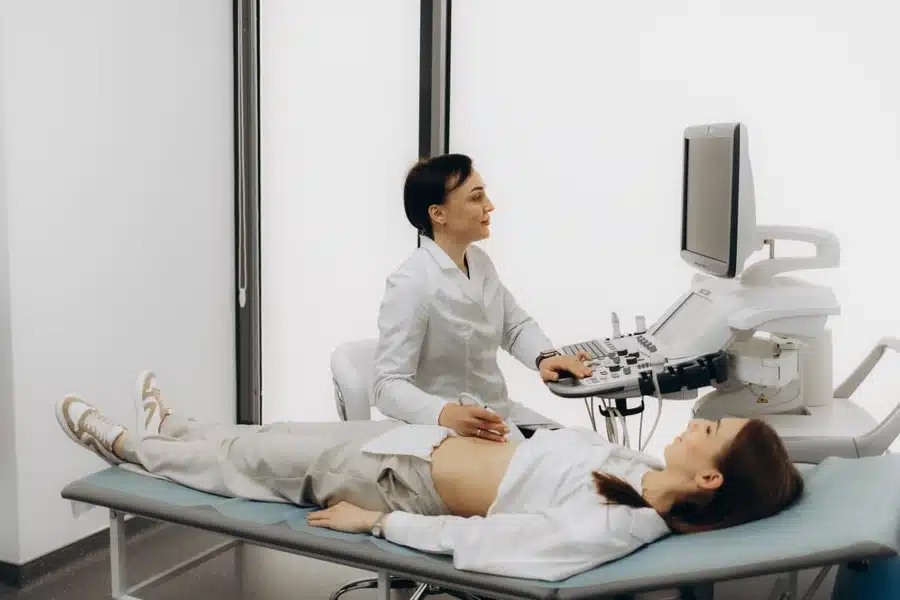
IVF Treatment for Patients from Shinnston, WV
For individuals and couples in Shinnston, WV who are exploring IVF Treatment, Pittsburgh Fertility offers a structured path to care from its Pittsburgh, PA location. In vitro fertilization can help address several fertility challenges while giving patients a carefully sequenced process for creating embryos and pursuing pregnancy. The first step is not committing to a cycle, but understanding your medical history, goals, testing needs, and available choices.
Choosing fertility care is personal, and it often involves emotional, medical, and practical decisions at the same time. Pittsburgh Fertility provides an opportunity for West Virginia patients to discuss those decisions with a fertility-focused team in Pittsburgh. A clear plan can make a complex process feel more manageable, whether you are just beginning to seek answers or have already completed other treatment attempts.
What IVF Treatment can help address
IVF Treatment is a multi-step fertility procedure in which eggs are retrieved, fertilized in a laboratory, and developed into embryos before an embryo transfer is considered. It may be recommended for factors involving ovulation, fallopian tubes, sperm, unexplained infertility, or prior treatment history. The appropriate path depends on individual medical circumstances, so a consultation and diagnostic review are important before deciding whether in vitro fertilization fits your needs.
People pursue assisted reproductive technology for many different reasons. Some want to use their own eggs and sperm, while others may be considering donor sperm or other family-building options. The treatment discussion should account for your health history, reproductive goals, timing considerations, and the information gained through testing rather than relying on a one-size-fits-all recommendation.
When IVF may be one option among several
IVF is not automatically the first treatment for every fertility concern. Depending on the cause of infertility and the results of an evaluation, a clinician may discuss options such as ovulation induction or intrauterine insemination before, alongside, or instead of an IVF cycle. For other patients, IVF may offer a more direct approach because it allows fertilization and early embryo development to take place under laboratory observation.
A thoughtful comparison includes more than the chance of proceeding to egg retrieval. Patients may weigh medication demands, the number of appointments, whether embryos can be frozen for future use, the role of male-factor infertility, and whether genetic screening is under consideration. Asking why one option is being recommended over another can help you make a decision that matches both your medical situation and personal priorities.
A practical look at the IVF process
An IVF cycle generally unfolds in stages, and medications need time to support follicle development before eggs can be retrieved. Pittsburgh Fertility can explain how the timing of monitoring, retrieval, fertilization, embryo development, and transfer applies to your specific plan. Although the details vary, knowing the sequence before treatment begins helps patients from Shinnston and elsewhere in West Virginia prepare for the commitment involved.
- Ovarian stimulation: Fertility medications are used to encourage multiple follicles to develop mature eggs.
- Monitoring and trigger timing: Ultrasound and other clinical monitoring guide medication adjustments and help determine when eggs are ready for retrieval.
- Egg retrieval and sperm preparation: Eggs are collected during an in-office procedure performed with light anesthesia, while a semen sample or donor sperm is prepared for fertilization.
- Fertilization and embryo development: Embryologists assess mature eggs and monitor resulting embryos in the laboratory. In some circumstances, intracytoplasmic sperm injection (ICSI) may be discussed.
- Transfer planning: The team reviews embryo-transfer timing and any next steps based on the treatment plan and embryo development.
It is useful to recognize that egg retrieval and embryo transfer are separate parts of the process. Mild cramping can occur after retrieval, and patients should ask their care team what to expect, which symptoms warrant a call, and how recovery instructions apply to them. A good treatment conversation also covers the possibility that plans may need to change based on how the ovaries, eggs, sperm, or embryos respond.
Understanding the laboratory portion of care
For patients considering IVF, choosing an IVF Treatment at an IVF clinic means understanding that clinical appointments and laboratory work are connected parts of one process. After retrieval, embryologists evaluate egg maturity, prepare for fertilization, and observe embryo development. This laboratory stage can provide information that is not available with treatments in which fertilization occurs in the body, though it does not guarantee a particular outcome.
Embryo creation may raise questions about the number of eggs retrieved, fertilization methods, embryo culture, freezing, and how decisions will be made if there is more than one embryo. Bring these questions to your appointment and ask which decisions can be made in advance versus which depend on results during the cycle. Clear expectations can reduce surprises and help patients feel prepared for each update.
Considering IVF with genetic testing
IVF with genetic testing involves discussing whether testing embryos before transfer is relevant to your situation. This option may be considered for specific reproductive histories or genetic concerns, but it is not a universal requirement for every IVF cycle. A fertility professional can explain what testing evaluates, its limitations, the timing involved, and how results could affect embryo-transfer planning.
Genetic testing should be approached as a decision-support tool, not as a promise of pregnancy or a substitute for individualized medical guidance. Patients may want to ask what type of testing is being considered, whether a genetics professional should be involved, and how testing could affect the number of embryos available for transfer. These conversations are especially valuable before retrieval so expectations and consent can be addressed early.
Build a plan before making major decisions
A fertility consultation is the right setting to review your history, prior pregnancies or treatments, medications, and family-building goals. It gives you time to discuss whether diagnostic workup is needed before IVF and what information will shape the recommendation. Patients should feel comfortable sharing concerns about procedures, scheduling, emotional readiness, and the involvement of a partner or donor.
Following evaluation, a fertility treatment plan translates clinical findings into a sequence of recommended next steps. It can clarify which medications, monitoring visits, procedures, laboratory steps, and decision points may be part of care. Because fertility treatment is individualized, the plan should also identify questions to revisit if results differ from expectations.
- What diagnosis or treatment history makes IVF a reasonable option for me?
- Which tests should be completed before stimulation medications begin?
- How will monitoring and retrieval timing be communicated?
- When might ICSI, embryo freezing, donor sperm, or genetic testing be discussed?
- What should I plan for after retrieval and during embryo-transfer preparation?
For those traveling from Shinnston, WV, it is reasonable to ask about the appointment sequence before scheduling a cycle. Pittsburgh Fertility is located in Pittsburgh, PA, not Shinnston, so patients can discuss which visits must be in person and how to coordinate planning around required clinical care. Avoiding assumptions about timing and visit frequency supports better preparation for treatment.
Prepare for the financial and personal side of treatment
Fertility care can involve significant planning beyond the clinical protocol. Pittsburgh Fertility’s financial resources can help patients identify information to review as they prepare for the potential costs associated with treatment. Understanding anticipated expenses early allows you to ask informed questions and consider how medication, testing, procedures, and other components may affect your budget.
It is also helpful to review available payment options before treatment begins. Asking for a clear explanation of what is included in a proposed cycle and what may be separate can support more confident decision-making. Since coverage and out-of-pocket responsibilities vary, patients should verify their own benefits and financial details directly rather than making assumptions.
Beyond billing, patient resources can help you organize questions and become more familiar with fertility-care topics. Educational support is useful when you are processing new terminology, preparing for appointments, or discussing choices with a partner or support person. Bringing a written list of priorities can make consultation time more productive.
Take the next step with Pittsburgh Fertility
Pittsburgh Fertility can help prospective patients from Shinnston and throughout West Virginia start with a conversation rather than a rushed decision. IVF care involves clinical details, personal values, and practical planning, and each deserves attention before a cycle starts. Requesting an appointment allows you to discuss your circumstances, learn what evaluation may be appropriate, and ask focused questions about treatment.
Ready to explore a personalized path to IVF? Request an appointment with Pittsburgh Fertility in Pittsburgh, PA to discuss IVF Treatment, diagnostic next steps, and a care plan built around your goals.
IVF Treatment questions from prospective patients
What is IVF Treatment?
IVF Treatment is a fertility process that uses medications to stimulate egg development, retrieves mature eggs, fertilizes them in a laboratory, and monitors embryo development before an embryo transfer is considered. The exact protocol, fertilization method, and transfer timing are individualized based on medical evaluation and treatment goals.
Do I need to try other fertility treatments before IVF?
Not always. Some patients may discuss ovulation induction or intrauterine insemination first, while others may be advised to consider IVF sooner because of their diagnosis, treatment history, age-related considerations, sperm factors, or tubal concerns. A fertility consultation is needed to compare appropriate options.
Can patients from Shinnston, WV schedule IVF care with Pittsburgh Fertility?
Yes. Pittsburgh Fertility serves patients from Shinnston, WV at its Pittsburgh, PA location. During an appointment request or consultation, ask the team how the expected evaluation, monitoring, retrieval, and transfer visits fit your individual treatment plan so you can prepare for required in-person care.
What should I ask about IVF costs?
Ask which services are included in the proposed treatment cycle, whether medications, testing, anesthesia, laboratory services, embryo storage, or genetic testing may be separate, and what payment arrangements are available. You should also contact your insurance plan directly to confirm any fertility-related benefits and authorization requirements.