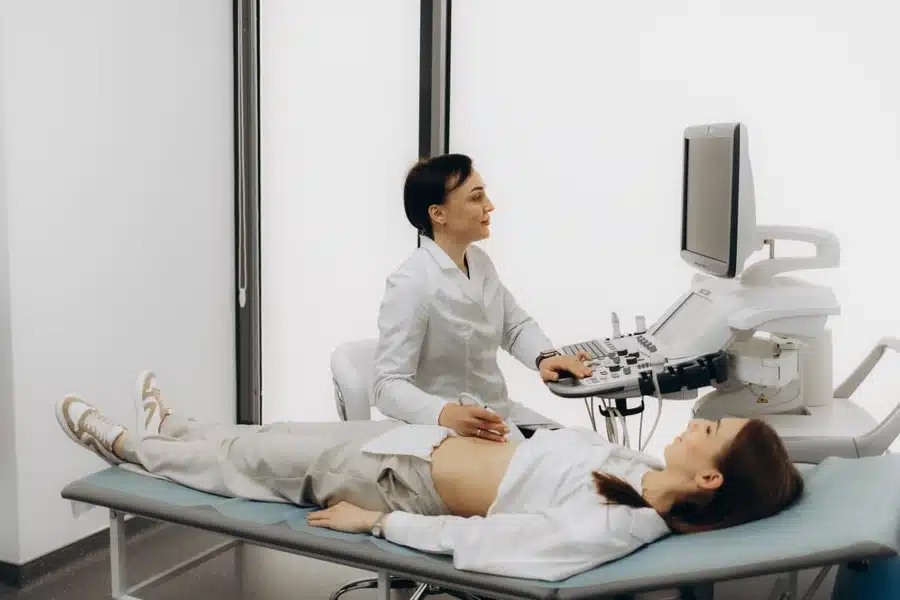
IVF Treatment for Patients from New Franklin, OH
For individuals and couples in New Franklin, OH, who are considering fertility care, Pittsburgh Fertility offers a structured path to understanding in vitro fertilization and deciding whether it fits their family-building goals. Pittsburgh Fertility is located in Pittsburgh, PA, and welcomes patients traveling from Ohio for thoughtful evaluation, treatment planning, and in-person IVF care. The first step is not committing to a cycle. It is gaining clear information about your reproductive health, available options, and the steps involved.
IVF Treatment can help create embryos outside the body for transfer to the uterus. It may be considered after other approaches have not worked, when certain fertility factors are present, or when embryo testing is part of a patient’s plan. Every situation is different, so a personalized medical discussion is essential before deciding whether IVF is appropriate.
What IVF treatment involves
In vitro fertilization is a multi-stage fertility procedure that combines eggs and sperm in an embryology laboratory, then may involve transferring an embryo to the uterus. It is not a single appointment or a one-size-fits-all protocol. Medication response, egg availability, sperm factors, embryo development, and the goals of the patient or couple all inform the timeline and clinical recommendations.
For many patients from New Franklin and elsewhere in Ohio, IVF offers a more involved option than treatments that focus only on timing ovulation or placing sperm in the uterus. It can allow the care team to retrieve eggs, assess their maturity, prepare sperm, observe fertilization and embryo development, and plan an embryo transfer. That additional information and control can be valuable, although it also requires time, medication, procedures, and emotional preparation.
Who may consider this approach?
People seek assisted reproduction for many reasons, including blocked or damaged fallopian tubes, ovulatory concerns, endometriosis, sperm-related factors, unexplained infertility, or the need to use donor eggs or donor sperm. IVF may also be relevant for people pursuing fertility preservation or family-building paths that do not depend on intercourse. A diagnostic workup and clinician-guided conversation help determine whether IVF, another treatment, or additional evaluation is the sensible next step.
Age, ovarian reserve, medical history, semen parameters, prior pregnancies, prior treatment response, and family-building goals can all affect the discussion. IVF is sometimes recommended early in care, while in other cases less invasive options such as ovulation induction or intrauterine insemination may reasonably be considered first. Asking why a particular route is recommended can help patients make a decision that aligns with their priorities.
From ovarian stimulation to embryo transfer
A typical cycle begins with medication designed to stimulate the ovaries so multiple follicles can develop. Monitoring appointments help the clinical team follow follicle growth and adjust timing as needed. Once follicles are mature, egg retrieval is performed using ultrasound guidance and light anesthesia, followed by laboratory assessment of the retrieved eggs.
- Ovarian stimulation and monitoring: Medication supports the development of mature eggs, while monitoring guides the retrieval timing.
- Egg retrieval and sperm preparation: Eggs are retrieved in an office procedure, and a semen sample from a partner or donor is prepared to isolate motile sperm.
- Fertilization and embryo development: The laboratory combines eggs and sperm, sometimes using intracytoplasmic sperm injection (ICSI) when clinically appropriate, and observes embryo development.
- Transfer planning: The care team discusses whether and when to transfer an embryo to the uterus, based on the individual treatment plan and clinical circumstances.
After transfer, patients generally receive individualized instructions about medication, activity, and follow-up testing. It is important to understand that a treatment cycle can involve changes or decisions along the way, including whether there are embryos available for transfer or freezing. Pittsburgh Fertility can explain what each stage is intended to accomplish and what questions are most useful to ask before treatment begins.
Choosing care that supports informed decisions
The right conversation starts with an IVF Treatment discussion that also explains what IVF means and what to look for in an IVF clinic. Pittsburgh Fertility helps patients understand the clinical sequence, from stimulation through retrieval, fertilization, embryo development, and transfer planning. For patients coming from New Franklin, OH, clarity about required in-person steps and the expected care sequence can make planning more manageable.
When comparing providers, focus on whether the practice explains recommendations in plain language, reviews alternatives, and makes space for your questions. It is reasonable to ask what testing is recommended before a cycle, how monitoring and retrieval fit into the process, what medication instructions may involve, and how the practice communicates next steps. A useful consultation should leave you with a clearer understanding of decisions, not pressure to choose a treatment before you are ready.
- What fertility factors are influencing the recommendation for IVF?
- Are there less invasive options worth considering before an IVF cycle?
- What appointments and procedures require an in-person visit to Pittsburgh, PA?
- When might ICSI, donor sperm, donor eggs, embryo freezing, or genetic testing be discussed?
- What should I understand about medications, timing, follow-up, and anticipated expenses?
A plan built around your medical and family goals
A fertility consultation gives patients an opportunity to review their history, discuss reproductive goals, and learn what evaluation or treatment may be appropriate. It is also the time to share prior records, previous treatment experiences, medications, and concerns that could shape the conversation. For someone traveling from Ohio, using the initial discussion to identify likely testing, timing, and decision points can provide valuable direction before proceeding.
A fertility treatment plan translates evaluation findings and goals into a practical clinical approach. It may address whether IVF is advisable, what medications and monitoring could be involved, and how embryo transfer decisions may be made. A plan should be individualized rather than based solely on a diagnosis, because patient preferences and prior treatment history matter alongside clinical information.
IVF with genetic testing may be discussed when patients want to explore testing embryos before transfer for certain genetic or chromosomal considerations. This option involves additional laboratory steps and decisions, and it is not automatically necessary for every IVF patient. A clinician can explain the purpose, potential limitations, timing implications, and whether this approach relates to your specific history and goals.
Preparing for the practical side of IVF
Fertility care involves more than clinical appointments. Patients may need to organize records, medication schedules, time away from daily responsibilities, support from a partner or trusted person, and travel for care in Pittsburgh. Thoughtful preparation cannot remove every uncertainty, but it can reduce avoidable stress and help patients arrive ready to focus on medical decisions.
Pittsburgh Fertility’s patient resources can help patients become more familiar with the practice’s care information and available educational materials. Reviewing resources before appointments can make it easier to note questions about the IVF process, testing, medications, and next steps. Bring those questions to the consultation so the discussion reflects what matters most to you.
Understanding financial resources is an important part of preparing for fertility care because treatment-related costs can involve several components. Patients can use financial information to begin organizing questions about anticipated expenses and planning considerations. Clear financial conversations support informed choices without requiring patients to navigate an already complex process alone.
Available payment options are another practical topic to review before beginning or advancing a treatment plan. Asking early about the practice’s payment information can help patients understand the steps they need to take and what questions to raise as recommendations become more specific. Since treatment needs differ, patients should seek current, individualized details directly from Pittsburgh Fertility.
Emotional readiness is part of treatment readiness
IVF can bring hope, anticipation, and disappointment, sometimes within the same treatment cycle. It can be helpful to identify the people, routines, or counseling support that help you manage uncertainty before medications and appointments begin. Partners and intended parents may also benefit from discussing how decisions will be made if a cycle does not proceed exactly as expected.
Patients should feel comfortable asking for explanations when terminology feels unfamiliar or a recommendation is unclear. Fertility treatment often involves choices with personal, medical, and financial dimensions. Taking notes, bringing a support person when appropriate, and asking for the reasoning behind each recommendation can make the process feel more navigable.
Questions patients from New Franklin often consider
Is IVF treatment the same as artificial insemination?
No. Intrauterine insemination places prepared sperm in the uterus around ovulation, while IVF involves retrieving eggs, fertilizing them in a laboratory, growing embryos, and planning an embryo transfer. The appropriate option depends on the fertility evaluation, medical history, and family-building goals.
Will I need to travel to Pittsburgh, PA for every part of IVF?
IVF includes important in-person procedures, such as egg retrieval and embryo transfer, and the specific appointment schedule should be discussed with Pittsburgh Fertility. Patients from New Franklin, Ohio, can ask during scheduling which steps, monitoring needs, and planning considerations apply to their individual care plan.
Does IVF guarantee pregnancy?
No. IVF is a medical treatment, not a guarantee of pregnancy or live birth. Outcomes can be influenced by multiple individual factors, including age, egg and sperm factors, embryo development, uterine considerations, and the underlying reason for infertility. A clinician can discuss what is known about your situation and the uncertainties that remain.
When should I schedule a fertility consultation?
Schedule a consultation when pregnancy has not happened as expected, when you have a known reproductive health concern, or when you want to understand whether IVF could be relevant to your goals. An evaluation provides individualized guidance rather than relying on assumptions about which treatment is right.
Take the next step with Pittsburgh Fertility
If you are exploring IVF Treatment from New Franklin, OH, Pittsburgh Fertility can help you begin with a focused discussion of your history, options, and next steps. The practice’s Pittsburgh, PA location provides a place to discuss the clinical process, practical considerations, and questions that matter to your family-building plans. Request an appointment to start an informed conversation about whether IVF may be right for you.
Request your appointment with Pittsburgh Fertility and take a clear next step toward personalized fertility care in Pittsburgh, PA.