IVF Treatment for Patients from Macedonia, OH
For people and families from Macedonia, OH considering assisted reproduction, Pittsburgh Fertility provides a place to begin a clear, individualized conversation about in vitro fertilization. Pittsburgh Fertility is located in Pittsburgh, PA, and welcomes patients who are evaluating next steps after difficulty conceiving, a known fertility diagnosis, prior treatment, or a need for donor eggs, sperm, or embryos. The goal is not simply to move quickly into a procedure, but to understand the factors that shape an appropriate path forward.
IVF Treatment combines medication, laboratory fertilization, embryo development, and embryo transfer in a carefully sequenced process. It can offer a way to pursue pregnancy when treatments such as timed intercourse, ovulation-induction medication, or intrauterine insemination have not worked or may be less suitable. For patients traveling from Macedonia or elsewhere in Ohio, an early discussion can help clarify the evaluation, timing, testing, and visit commitments involved.
Understanding the role of IVF in fertility care
In vitro fertilization is a treatment in which eggs are retrieved from the ovaries, combined with sperm in a laboratory, and allowed to develop into embryos before an embryo is transferred to the uterus. A personalized approach matters because age, ovarian reserve, menstrual and ovulatory history, sperm factors, tubal status, reproductive health, prior pregnancies, and family-building goals can all affect recommendations. IVF may be considered for one person or a couple, including people using donor gametes or embryos.
The term IVF Treatment describes more than a single appointment or laboratory procedure. It is a coordinated course of care that typically includes ovarian stimulation, monitoring, egg retrieval, fertilization, embryo culture, and a planned transfer. Pittsburgh Fertility can discuss how these stages fit your circumstances and what decisions may arise along the way.
When a more advanced option may be considered
IVF is often discussed when fallopian-tube conditions affect egg and sperm meeting naturally, when sperm-related factors are present, when ovulation issues have not responded to simpler care, or when infertility remains unexplained after evaluation. It may also be relevant after unsuccessful lower-intensity treatment cycles or when embryo creation and selection are part of a patient’s plan. A recommendation should follow a clinical review rather than a one-size-fits-all timeline.
It is helpful to view an IVF clinic as a partner in both the medical and practical parts of fertility care. Patients should understand who will guide treatment decisions, how monitoring and procedures are coordinated, what communication to expect, and which questions should be addressed before a cycle begins. For Macedonia, OH patients considering care in Pittsburgh, PA, discussing the expected appointment pattern early can support more confident planning.
What the IVF process commonly involves
Although every cycle is individualized, IVF generally follows a sequence designed to mature multiple eggs, retrieve them safely, fertilize them, and prepare for embryo transfer. Some decisions, such as whether to use intracytoplasmic sperm injection (ICSI), freeze embryos, or pursue testing, depend on the clinical situation and patient preferences. Your care team can explain the purpose of each recommendation before treatment begins.
- Preparation and evaluation: The process begins with medical history, fertility testing, and a discussion of goals, prior care, and possible treatment approaches.
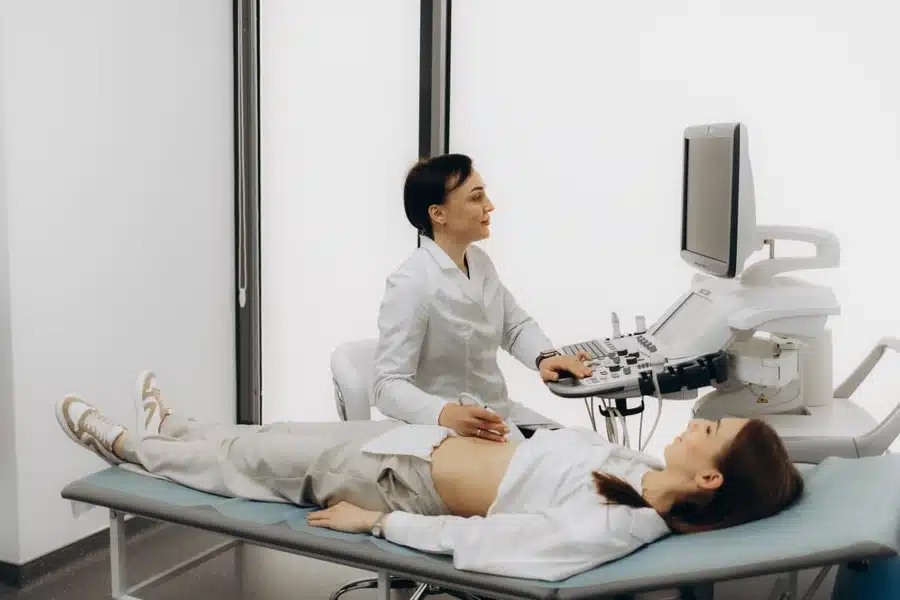
- Ovarian stimulation and monitoring: Injectable medications encourage multiple follicles to develop. Ultrasound and hormone monitoring help the team assess response and determine timing.
- Egg retrieval and sperm preparation: Mature eggs are retrieved in an office procedure performed with light anesthesia. A semen sample from a partner or donor is prepared for fertilization.
- Fertilization and embryo development: Embryologists evaluate eggs, fertilize mature eggs, and monitor embryo development in the laboratory.
- Transfer and follow-up: An embryo is placed in the uterus at the appropriate time, followed by testing and next-step guidance from the care team.
Genetic testing is a separate, personal decision
IVF with genetic testing can involve evaluating embryos before transfer for certain genetic or chromosomal findings. This option may be discussed for patients with specific medical histories, known inherited genetic conditions, recurrent pregnancy loss, or other individualized considerations. Testing is not automatically right for every patient, so a fertility specialist can explain its purpose, limits, possible results, timing, and how the information could affect embryo-transfer decisions.
Embryo testing does not guarantee pregnancy, eliminate every risk, or replace prenatal care. It is one of several choices that may be considered within an assisted reproductive cycle, alongside decisions about fresh versus frozen transfer, embryo storage, and donor options. A clear conversation about what a test can and cannot answer helps keep expectations grounded.
Planning care from Macedonia and making informed choices
Choosing fertility care involves medical fit as well as practical readiness. People from Macedonia, OH should feel comfortable asking how the initial evaluation works, which appointments require in-person attendance in Pittsburgh, PA, how medication teaching is handled, and what to anticipate after retrieval or transfer. Pittsburgh Fertility can help patients understand the sequence of care so they can plan around work, support needs, and other responsibilities without assumptions about a particular schedule.
Start with a complete clinical conversation
A fertility consultation is the appropriate starting point for reviewing medical history, prior testing, pregnancy history, medications, and family-building priorities. This conversation can identify whether additional diagnostic workup is useful before selecting treatment and whether IVF or another approach deserves consideration. Bringing records from previous fertility care, if available, can make the discussion more productive.
After assessment, a fertility treatment plan organizes recommended next steps around your diagnosis, goals, and clinical findings. It may include further testing, a less invasive option, an IVF cycle, fertility preservation, or a staged approach that revisits decisions as new information becomes available. A written or clearly explained plan gives patients a practical basis for understanding why a recommendation is being made.
- Ask which findings support IVF versus another treatment option.
- Request an explanation of medications, monitoring, retrieval, embryo transfer, and recovery expectations.
- Discuss the potential role and limitations of ICSI, frozen embryo transfer, donor options, and genetic testing.
- Clarify the anticipated order of appointments and which planning details matter before traveling to Pittsburgh.
- Review costs, coverage questions, and available ways to organize payment before treatment starts.
Resources that support the treatment journey
Fertility treatment can involve substantial emotional, logistical, and financial decisions. Good preparation means having reliable education, knowing the questions to ask, and returning to the care team when information feels unclear. Pittsburgh Fertility offers information that can help patients from Ohio approach those decisions with greater structure.
The patient resources available through Pittsburgh Fertility can help prospective and current patients review fertility-related information beyond the first appointment. Educational materials are useful when you need time to absorb unfamiliar terms such as ovarian reserve, embryo transfer, ICSI, or cryopreservation. They can also help a partner, family member, or support person better understand the process you are considering.
Understanding financial resources before a cycle begins is an important part of informed IVF planning. Costs can involve clinical care, medication, laboratory services, storage, and optional services, depending on the recommended course of care. Reviewing available information early helps patients prepare questions about estimates, insurance benefits, and expenses that may vary with individual choices.
Pittsburgh Fertility also provides information about payment options so patients can explore how fertility-care expenses may be managed. Because coverage and personal circumstances differ, it is wise to confirm details directly and ask which components are included in any estimate. Financial planning cannot remove every uncertainty, but it can prevent cost questions from being left until the middle of treatment.
Frequently asked questions about IVF care
What is IVF Treatment?
IVF Treatment is a fertility process in which medications stimulate egg development, eggs are retrieved, eggs and sperm are combined in a laboratory, and an embryo may later be transferred to the uterus. The process is individualized based on diagnosis, goals, and clinical findings.
Do all patients with infertility need IVF?
No. Some patients may benefit from ovulation-induction medication, intrauterine insemination, treatment of an underlying condition, or further evaluation before IVF is considered. The most appropriate option depends on factors such as ovulation, fallopian tubes, sperm parameters, age, prior treatment, and personal family-building goals.
What should a patient from Macedonia, OH ask before choosing IVF care in Pittsburgh?
Ask how the evaluation and monitoring process is organized, what the anticipated cycle stages are, which services are recommended for your situation, and what expenses may be involved. You can also ask about preparing for in-person appointments at Pittsburgh Fertility’s Pittsburgh, PA location and what records to provide before your consultation.
Can IVF use donor sperm, donor eggs, or donor embryos?
IVF can be part of family-building plans that use donor sperm, donor eggs, or donor embryos. The appropriate option depends on the patient’s medical circumstances and goals. A consultation provides the setting to discuss available paths, required screening, and the decisions involved before treatment is selected.
Take the next step with Pittsburgh Fertility
If you are in Macedonia, OH and want a more complete understanding of IVF, Pittsburgh Fertility can help you begin with a focused conversation about your history, options, and goals. Care takes place at Pittsburgh Fertility in Pittsburgh, PA, not in Macedonia, so scheduling a consultation is a practical first step in planning for any in-person care. Request an appointment to discuss a personalized path toward the family you hope to build.
Request an appointment with Pittsburgh Fertility in Pittsburgh, PA to start your fertility consultation and discuss whether IVF may fit your next steps.