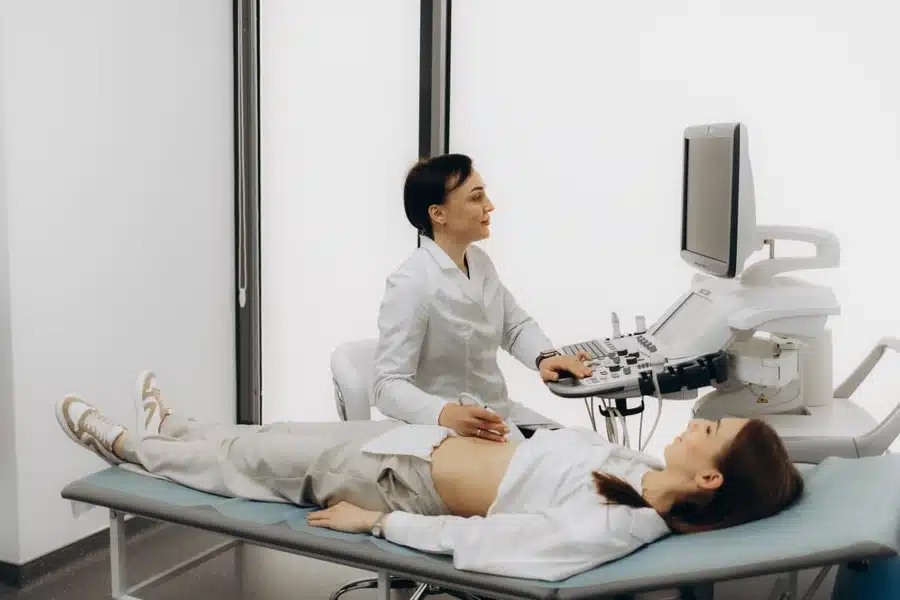
IVF Treatment for Patients from Hudson, OH
For people from Hudson, OH who are considering advanced fertility care, Pittsburgh Fertility provides an option in Pittsburgh, PA for discussing in vitro fertilization in a thoughtful, individualized setting. IVF Treatment can help when pregnancy has not happened with less intensive care, when specific fertility factors are present, or when a patient needs a treatment path that offers more control over fertilization and embryo development. The process has several stages, so clear planning and a care team that explains each decision can make a meaningful difference.
Pittsburgh Fertility serves patients who travel from Hudson and other parts of Ohio to its Pittsburgh, PA location. An appointment is an opportunity to review your history, current concerns, prior testing, and family-building goals before deciding whether this treatment fits your circumstances. Rather than assuming one route is right for everyone, the discussion can focus on the information that matters to your next step.
When in vitro fertilization may be considered
In vitro fertilization is a laboratory-assisted process in which eggs are retrieved, combined with sperm, and allowed to develop into embryos before an embryo transfer to the uterus. It may be considered for a range of situations, including tubal-factor infertility, ovulatory concerns, male-factor infertility, unexplained infertility, prior unsuccessful treatment, or the use of donor eggs or sperm. Whether it is appropriate depends on the full clinical picture, not one diagnosis alone.
Some patients arrive after trying timed intercourse, ovulation medications, or intrauterine insemination. Others may be advised to discuss IVF earlier because it can address multiple steps of reproduction at once: egg development, fertilization, embryo culture, and embryo transfer. A consultation helps distinguish between a reasonable next option and a treatment that may not yet be necessary.
- Individuals or couples with fertility factors that affect natural conception
- Patients who have not conceived after other recommended treatments
- People using donor sperm, donor eggs, or other family-building pathways
- Patients who want to discuss embryo testing or cryopreservation as part of care
A process built around several important decisions
IVF Treatment is not a single procedure completed in one visit. It is a coordinated series of medication, monitoring, laboratory, and transfer steps, with choices that may depend on egg supply, sperm source, embryo development, medical history, and personal priorities. Pittsburgh Fertility can help patients from Hudson, OH understand the sequence before they begin.
- Ovarian stimulation: Medication is used to encourage several follicles to mature during a treatment cycle, with monitoring used to guide timing.
- Egg retrieval: Once follicles are mature, eggs are collected in an in-office procedure performed under light anesthesia. Mild cramping can occur afterward.
- Sperm preparation and fertilization: A semen sample from a partner or donor is prepared so embryologists can use the appropriate fertilization approach.
- Embryo development and transfer: Embryos are observed in the laboratory, and an embryo may later be transferred to the uterus based on the plan established with the care team.
The timelines, number of visits, medication details, and transfer decisions can vary. A patient should understand what is planned for the current cycle, what information will guide changes, and what follow-up will occur after retrieval or transfer. This preparation is especially useful for people coordinating in-person care from outside Pittsburgh.
Planning care before you begin
Start with a clear fertility consultation
A fertility consultation gives you a structured starting point before committing to a cycle. During this conversation, patients can share reproductive and medical history, discuss previous pregnancies or treatments, and identify evaluations that may help clarify the cause of infertility. It is also the right time to explain your goals, concerns about medications or procedures, and any practical constraints that could affect scheduling.
For many people, the most useful first outcome is not an immediate yes or no. It is a clear understanding of what is known, what still needs evaluation, and which treatment options are medically reasonable. If you are traveling from Hudson, OH, you can also ask which appointments require in-person attendance and how to plan around the stages of care without making assumptions about your schedule.
How an individualized plan guides decisions
A fertility treatment plan translates consultation findings into an organized approach to medication, monitoring, retrieval, fertilization, transfer, and follow-up. A useful plan explains why a particular approach is being recommended and which decisions may change as cycle information becomes available. It should also make room for your priorities, whether those involve timing, use of donor material, embryo storage, or genetic testing discussions.
Comparing fertility treatments is not simply a matter of choosing the most intensive option. Ovulation induction or IUI may be reasonable for some circumstances, while assisted reproduction may offer a more direct path for others. Pittsburgh Fertility can discuss the potential role of each approach so patients can make a decision with a realistic understanding of procedures, commitments, and alternatives.
Understanding options within IVF care
IVF creates an opportunity to observe fertilization and early embryo development outside the body before transfer. This can be valuable when a clinician recommends laboratory fertilization because of a patient’s diagnosis or treatment history. It does not remove every uncertainty in fertility care, but it provides a structured way to address several reproductive steps within one treatment process.
Choosing an IVF clinic involves more than finding a nearby name in a search result. Patients should look for clear communication about the sequence of care, the roles of the clinical and embryology teams, anticipated monitoring, financial conversations, and how individualized recommendations are made. For patients coming from Ohio, it is also sensible to discuss appointment planning early, particularly around retrieval and transfer timing.
IVF with genetic testing may be a topic to discuss when there is a relevant medical, reproductive, or family-history consideration. Preimplantation genetic testing involves testing embryos created through IVF before a potential transfer, and the type of testing considered depends on the clinical reason for testing. It is not automatically appropriate for every patient, so a careful conversation should cover its purpose, limitations, timing, and how results could influence transfer decisions.
People often worry that fertility treatment means losing control of personal choices. In practice, the process includes decisions about medication, sperm source, embryo testing discussions, embryo transfer, and whether to preserve embryos for future use. Asking for plain-language explanations at each stage can help you participate actively while recognizing that clinical recommendations may evolve with new information.
Practical support for a major treatment decision
Fertility care involves more than clinical appointments, which is why patient resources can be useful before and during treatment. Educational materials can help patients prepare for appointments, organize questions, and better understand terms used during testing and treatment. Reviewing reliable information in advance can make it easier to focus on the details most relevant to your own care.
Understanding financial resources is an important part of preparing for IVF because treatment may include multiple clinical, laboratory, medication, and storage-related components. A financial discussion can help you identify the questions to ask about anticipated services and the factors that may affect overall cost. It is helpful to seek this information early rather than waiting until a cycle is already underway.
Available payment options can help patients understand how a practice structures payment conversations for fertility services. Reviewing these details alongside the clinical recommendation supports more deliberate decision-making and may help you plan for treatment stages. Because individual circumstances differ, patients should confirm which options apply to their intended services and current situation.
- What testing or records should be reviewed before a cycle is recommended?
- Which visits and procedures are expected to be in person at the Pittsburgh, PA location?
- What decisions could change based on monitoring, retrieval, or embryo development?
- What costs, payment details, and medication considerations should be discussed before treatment begins?
Frequently asked questions about IVF care
What is IVF Treatment?
IVF Treatment is a fertility process that uses medication to mature eggs, retrieves eggs from the ovaries, fertilizes them with sperm in a laboratory, and may transfer an embryo to the uterus. It may be considered for several infertility diagnoses or family-building needs after an individualized evaluation.
Do I need to try other fertility treatments before considering IVF?
Not always. Some patients may reasonably begin with less intensive options such as ovulation induction or IUI, while others may be advised to consider in vitro fertilization sooner based on their diagnosis, treatment history, reproductive goals, or need for donor material. A consultation provides the context needed to compare these paths.
Can patients from Hudson, OH schedule IVF care with Pittsburgh Fertility?
Yes. Pittsburgh Fertility is located in Pittsburgh, PA and can discuss care with patients traveling from Hudson, OH. During scheduling and consultation, ask about the anticipated in-person stages of your recommended care so you can plan appropriately around monitoring, retrieval, and transfer needs.
What should I bring up at an initial fertility appointment?
Bring prior fertility testing and treatment information if available, along with questions about your diagnosis, recommended pathway, medication, procedure timing, genetic testing considerations, financial planning, and follow-up. Sharing your family-building priorities and any scheduling limitations helps make the conversation more specific to your situation.
Take the next step with Pittsburgh Fertility
If you are exploring IVF Treatment from Hudson, OH, Pittsburgh Fertility invites you to schedule an appointment at its Pittsburgh, PA location. A consultation can help turn general concerns into a clearer plan, whether you are just starting fertility evaluation or reassessing options after prior care. Request an appointment to discuss your goals, questions, and potential next steps in a supportive clinical conversation.
Request your appointment with Pittsburgh Fertility to begin discussing IVF care in Pittsburgh, PA.