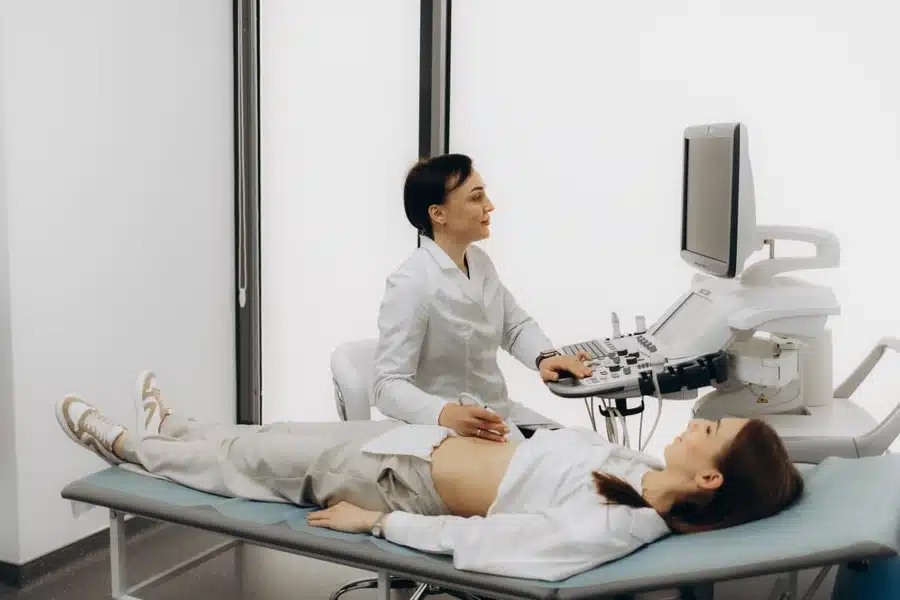
IVF Treatment for Patients from Franklin, PA
For people in Franklin, PA who are weighing in vitro fertilization, clear information and a personalized clinical conversation can make the next step feel more manageable. Pittsburgh Fertility is located in Pittsburgh, PA, and offers a structured path for patients who are considering assisted reproductive care. The process is more involved than a single procedure, so understanding the stages, decisions, and practical preparations matters from the start.
IVF Treatment combines medication, egg retrieval, laboratory fertilization, embryo development, and embryo transfer in an effort to help achieve pregnancy. It may be considered after other approaches have not worked, when specific fertility factors are identified, or when a patient needs a treatment approach that offers more control over fertilization and embryo development. Pittsburgh Fertility can discuss whether this path fits your history, goals, and diagnostic findings.
What IVF involves and who may consider it
In vitro fertilization is a multi-step treatment in which eggs and sperm are brought together in a laboratory, then an embryo may be transferred to the uterus. It is not automatically the first recommendation for every fertility concern. A fertility evaluation helps clarify whether IVF, medication-based ovulation support, intrauterine insemination, or another approach is appropriate.
Patients may explore this option for a range of reasons, including ovulatory issues, tubal factors, sperm-related concerns, diminished ovarian reserve, endometriosis, unexplained infertility, or a need to use donor sperm or eggs. Some individuals and couples also consider it after unsuccessful lower-intervention treatment cycles. Age, medical history, previous pregnancies, test results, family-building timeline, and personal preferences all shape the discussion.
- People who have not conceived after an appropriate period of trying may benefit from a fertility assessment.
- Patients with known reproductive conditions may want to understand the likely role of assisted reproduction early.
- Individuals using donor gametes or pursuing fertility preservation may have different planning needs than patients trying with a partner’s sperm and eggs.
- Patients who want information about embryo testing can discuss whether it is relevant to their particular circumstances.
A consultation turns questions into an informed starting point
A fertility consultation gives you an opportunity to review your reproductive history, current concerns, prior testing, and goals with a fertility professional. The conversation can identify which records or diagnostic information may be useful and what additional evaluation may be considered. It is also a practical time to discuss the pace of care, treatment steps, and questions that may be difficult to answer from general online information.
For Franklin patients, an early discussion can help distinguish between what is known and what still needs evaluation before choosing a treatment route. Bring a list of medications, prior pregnancy or treatment history, and any questions about family-building options. A thoughtful consultation should leave you with a clearer understanding of next steps, not pressure to select a treatment before you understand it.
The IVF process, step by step
The IVF process typically unfolds over several coordinated stages rather than in one visit. Medications are used to encourage multiple follicles to develop, and monitoring helps the clinical team follow the response before retrieval. After eggs are collected, fertilization and embryo development occur in the laboratory, followed by planning for transfer when appropriate.
- Ovarian stimulation and monitoring: Injectable or other fertility medications support follicle growth. Monitoring appointments and instructions help guide timing.
- Egg retrieval: Once follicles are mature, eggs are retrieved in an office procedure using ultrasound guidance and light anesthesia, according to the supplied practice information. Mild cramping afterward can occur.
- Sperm preparation and fertilization: A semen sample from a partner or donor is prepared so the laboratory can proceed with fertilization. In some situations, intracytoplasmic sperm injection, often called ICSI, may be part of the laboratory plan.
- Embryo development and transfer planning: Embryos are observed as they develop. The care team discusses timing and the next appropriate step for an embryo transfer.
It is helpful to think of IVF as a series of decisions guided by your response to treatment, not a fixed identical experience for every patient. Medication timing, monitoring, retrieval, fertilization, embryo development, and transfer each have a purpose in the overall cycle. Pittsburgh Fertility can explain what each phase means for your individual treatment calendar.
Genetic testing is a separate decision within treatment planning
IVF with genetic testing refers to creating embryos through IVF and using preimplantation genetic testing as part of embryo evaluation. This option may be discussed for particular clinical or family-history reasons, but it is not a universal requirement and does not answer every question about embryo health or pregnancy. A clinician can explain the purpose, limitations, timing, and potential implications of testing in the context of your circumstances.
Asking about testing early can be useful because it may affect how you think about embryo development and transfer planning. Patients should feel comfortable asking why a test is being considered, what information it can provide, and what it cannot predict. The best choice depends on medical factors as well as your values and goals.
Choosing an IVF clinic and preparing for care
An IVF clinic should help you understand both the clinical sequence and the practical responsibilities involved in treatment. Useful selection questions include how communication works, what monitoring and procedures may be needed, which decisions are individualized, and how the team explains potential benefits and limitations. For patients considering Pittsburgh Fertility from Franklin or elsewhere in Pennsylvania, it is reasonable to discuss appointment planning and the expected cadence of care before committing to a cycle.
IVF can carry physical, emotional, scheduling, and financial considerations. No provider can promise a particular outcome, and a good decision is based on a realistic view of potential benefits, uncertainties, alternatives, and the effort a cycle requires. Support from a partner, family member, counselor, or trusted friend can be valuable while you navigate the process.
- Ask which testing or records are needed before treatment can be recommended.
- Discuss the purpose and expected timing of medications, monitoring, retrieval, and transfer.
- Clarify how your questions will be handled during a cycle and which symptoms should be reported.
- Review costs, payment timing, insurance questions, and any available financial guidance before beginning.
Your plan should reflect your medical and personal priorities
A fertility treatment plan organizes recommended care around your diagnosis, test results, prior treatment history, and family-building goals. It can also address whether a lower-intervention option should be considered first or whether IVF is a more appropriate next step. Individualized planning is important because two patients may pursue assisted reproduction for very different reasons.
Patients often find it helpful to write down their priorities before this discussion. You may want to address timing, use of donor sperm, embryo testing questions, concerns about medications, or how treatment fits into work and family life. Clear priorities help your care team explain options in a way that supports informed decisions.
Practical resources for the financial side of IVF
Understanding the potential cost of treatment is an important part of planning, particularly because services, medications, laboratory work, and testing can have separate considerations. Pittsburgh Fertility’s financial resources can help patients locate information to review before making treatment decisions. Asking for a clear explanation of anticipated charges and timing is a constructive part of preparing for care.
Available payment options are another practical topic to discuss before a cycle begins. Patients should ask which costs may be due at different stages and what questions to direct to their insurer, if applicable. Financial planning cannot remove every uncertainty, but it can reduce avoidable surprises and help you compare treatment paths thoughtfully.
Pittsburgh Fertility’s patient resources provide a central place to explore information that may support preparation for fertility care. Reviewing educational materials before appointments can help you formulate more specific questions about medications, procedures, and next steps. These materials complement, rather than replace, guidance tailored to your medical situation.
Frequently asked questions about IVF care
Is IVF the right first treatment for infertility?
Not always. IVF may be appropriate for certain diagnoses, prior treatment history, or family-building needs, but some patients may first consider medication-based treatment or intrauterine insemination. A fertility evaluation and consultation help determine which option fits the clinical picture and your goals.
How long does an IVF cycle take?
An IVF cycle includes several stages, including ovarian stimulation, monitoring, egg retrieval, laboratory fertilization, embryo development, and transfer planning. The exact timeline varies based on your protocol, medication response, and whether testing or embryo freezing is part of the plan. Pittsburgh Fertility can explain the expected sequence for your situation.
Can patients from Franklin, PA receive IVF care at Pittsburgh Fertility?
Pittsburgh Fertility is located in Pittsburgh, PA and can discuss IVF Treatment with people seeking care from Franklin, PA. During an appointment request or consultation, you can ask about the anticipated visit schedule, records to provide, and the treatment steps relevant to your needs.
What should I ask before choosing IVF?
Ask why IVF is recommended, what alternatives may be reasonable, what each stage involves, how medication and monitoring are managed, and what costs to anticipate. You can also ask about embryo transfer planning, genetic testing considerations, and how the team communicates during treatment. These questions support a more confident, informed decision.
Ready to discuss your next step? If you are exploring IVF Treatment from Franklin, PA or another part of Pennsylvania, request an appointment with Pittsburgh Fertility in Pittsburgh, PA. A consultation can help you review your history, discuss possible pathways, and decide whether IVF care aligns with your family-building goals. Request an appointment with Pittsburgh Fertility to begin the conversation.