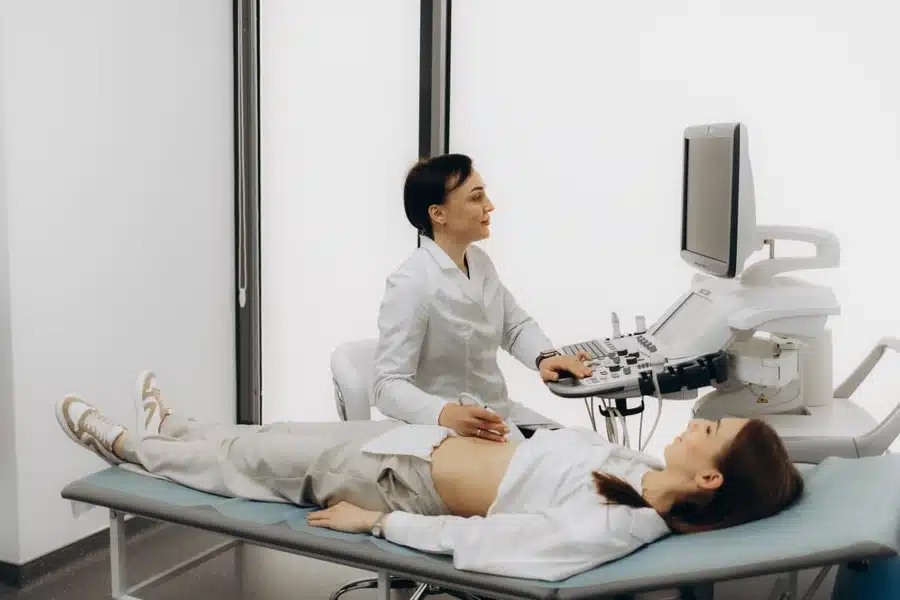
IVF Treatment for Patients from Fairlawn, OH
People researching IVF Treatment from Fairlawn, OH often want more than a definition. They need a clear path for understanding testing, medication, embryo development, transfer decisions, costs, and the emotional realities of pursuing pregnancy. Pittsburgh Fertility provides fertility care in Pittsburgh, PA, for individuals and couples who are considering in vitro fertilization and want an informed conversation about their options.
IVF is a structured treatment that combines eggs and sperm in a laboratory, then allows an embryo to be transferred to the uterus at the appropriate time. It can be considered after unsuccessful lower-intensity care, when certain fertility factors are present, or when a person or couple wants to explore a treatment with a more controlled laboratory component. Every situation is different, so the first goal is to understand the diagnosis, priorities, and possible next steps.
When IVF may be part of your fertility care
In vitro fertilization can help address a range of reproductive challenges, but it is not automatically the first treatment for every patient. A fertility evaluation helps clarify whether IVF, ovulation medication, intrauterine insemination, fertility preservation, donor options, or another approach makes the most sense. Pittsburgh Fertility can discuss IVF Treatment with patients traveling from Fairlawn and elsewhere in Ohio at its Pittsburgh, PA location.
People may ask about IVF after months or years of trying to conceive, recurrent pregnancy loss, known tubal concerns, male-factor fertility concerns, diminished ovarian reserve, or an unexplained infertility diagnosis. Some people also consider this path because they need donor sperm, donor eggs, or embryos. The right recommendation depends on factors such as age, medical history, prior treatment, ovarian reserve testing, sperm parameters, and family-building goals.
- IVF may allow fertilization and early embryo development to occur in a closely managed laboratory setting.
- It can make it possible to create and, when appropriate, freeze embryos for later use.
- It may be paired with specific reproductive planning choices, including the potential use of donor gametes or genetic testing.
- It gives patients and their care team detailed information at several points in the cycle, from egg maturity through embryo development.
Those advantages do not remove the physical, financial, or emotional demands of treatment. A useful consultation should include a candid discussion of what IVF can and cannot answer, the possible need for more than one cycle, and alternatives that may fit a patient’s circumstances. Clear expectations are an important part of making a confident treatment decision.
Start with a focused fertility conversation
A fertility consultation is the time to review reproductive history, previous testing or treatment, medications, and the goals that matter most to you. It also gives patients an opportunity to ask how a proposed approach relates to their individual diagnosis rather than relying on generalized online advice. Bringing prior records and a list of questions can make the visit more productive.
Before recommending a cycle, a clinician may review or order diagnostic information relevant to egg supply, ovulation, uterine health, fallopian tubes, sperm, and other medical factors. Testing is not simply a hurdle before care. It helps identify issues that may affect the timing, protocol, or expected steps of fertility treatment.
What the IVF process typically involves
Although each protocol is personalized, IVF Treatment generally follows a sequence of ovarian stimulation, egg retrieval, fertilization, embryo culture, and embryo transfer. The timeline and medication details vary, so patients should rely on the instructions provided for their own cycle. Knowing the basic stages in advance can make a complex process easier to follow.
- Ovarian stimulation: Injectable or other fertility medications are used to encourage multiple follicles to develop. Monitoring appointments assess how the ovaries are responding and help guide medication adjustments.
- Egg retrieval: Once follicles are ready, eggs are retrieved in an office procedure using ultrasound guidance and light anesthesia. Mild cramping can occur afterward, and the care team will explain recovery guidance.
- Sperm preparation and fertilization: A semen sample from a partner or donor is prepared so embryologists can use the appropriate fertilization method. In some cases, intracytoplasmic sperm injection, or ICSI, may be discussed.
- Embryo development and transfer: Embryologists assess embryo development in the laboratory. Depending on the treatment plan, an embryo may be transferred in a fresh or later frozen cycle, while additional suitable embryos may be cryopreserved.
Patients should ask how they will receive updates during the cycle, which appointments require an in-person visit, and what happens if the response to medication differs from the original plan. For patients coming from Fairlawn, OH, discussing scheduling needs early can support thoughtful planning for visits to Pittsburgh. Pittsburgh Fertility does not have a stated office in Fairlawn, so prospective patients should plan care around the Pittsburgh, PA practice location.
Understanding laboratory care and embryo decisions
IVF Treatment at an IVF clinic includes several decisions that occur after eggs are retrieved, not just the retrieval itself. Patients can ask how fertilization is assessed, what embryo culture means, whether ICSI is being considered, and how the team will discuss embryo transfer timing. These conversations help translate laboratory terminology into choices that align with a patient’s medical and family-building priorities.
Not every retrieved egg will be mature, fertilize, or become an embryo suitable for transfer or freezing. That uncertainty is a normal part of the process and one reason individualized counseling matters. A clinic should explain the stages plainly without promising a particular number of eggs, embryos, or pregnancy outcome.
When IVF with genetic testing may be discussed
IVF with genetic testing may be considered for certain patients who want to discuss embryo testing before transfer. Preimplantation genetic testing involves analyzing cells from an embryo in a specialized process, and it has specific purposes, limitations, and timing considerations. It is not a universal requirement, and a fertility professional can explain whether it is relevant to a particular history or treatment objective.
Patients may want to ask what type of testing is being proposed, what information it can provide, and how testing could affect the timing of transfer. Genetic testing does not guarantee pregnancy or eliminate every possible genetic or pregnancy-related concern. A balanced discussion should weigh possible benefits against cost, embryo availability, and the patient’s individual circumstances.
Build a plan that fits your medical and practical needs
A fertility treatment plan turns evaluation results into an organized course of care. It can outline recommended treatment, the anticipated sequence of monitoring and procedures, medication considerations, and questions to revisit before moving forward. A plan can also help patients compare IVF with reasonable alternatives rather than feeling pressured to choose a treatment without context.
For some patients, timed intercourse, ovulation induction, or IUI may be appropriate before IVF. For others, IVF may be recommended sooner because of the underlying diagnosis, previous outcomes, or reproductive goals. The key distinction is that lower-intensity treatment is not necessarily inferior, and IVF is not necessarily excessive, because the most suitable option depends on the person receiving care.
- What diagnosis or test findings support the recommended approach?
- What medications, monitoring, procedures, and recovery needs should I anticipate?
- Are fresh and frozen embryo transfer options relevant to my situation?
- Which costs are expected at each stage, and what questions should I ask about coverage?
- What alternatives could be considered if this cycle does not proceed as hoped?
Prepare for the financial side of care
Pittsburgh Fertility’s financial resources can help patients identify information to review as they prepare for fertility care. IVF often includes distinct cost categories, such as clinical services, medications, laboratory work, anesthesia, cryopreservation, or genetic testing when selected. Reviewing the financial picture before a cycle begins can help patients ask focused questions and make decisions with fewer surprises.
Available payment options are another practical subject to discuss with the practice. Patients should confirm which services are included in any estimate, whether medications are billed separately, and how insurance questions are handled. Financial planning is personal, and clear written information can make a demanding process more manageable.
Helpful patient resources can also support preparation between appointments. Educational materials give patients a place to revisit terminology, process steps, and questions that may arise after a conversation with the care team. Using reliable practice resources alongside direct clinical guidance can reduce confusion without replacing individualized medical advice.
Questions patients from Fairlawn may have
What is IVF Treatment?
IVF Treatment is a fertility process in which eggs are collected after ovarian stimulation, combined with sperm in a laboratory, and cultured as embryos. An embryo may later be transferred to the uterus. The process includes monitoring, procedures, laboratory care, and individualized decisions based on a patient’s diagnosis and goals.
Do I need IVF before trying other fertility treatments?
No. Some patients may be candidates for less intensive options, such as ovulation induction or IUI, depending on their evaluation. Others may be advised to consider IVF earlier because of factors such as tubal issues, certain sperm concerns, prior treatment history, or family-building needs. A consultation provides the context needed to compare options.
Can Pittsburgh Fertility see patients who live in Fairlawn, OH?
Pittsburgh Fertility is located in Pittsburgh, PA and serves people who are exploring fertility care from Fairlawn, Ohio. Because IVF includes several time-sensitive stages and in-person procedures, ask the practice which appointments and planning considerations apply to your individual treatment path.
What should I bring to an initial fertility appointment?
Bring or arrange prior fertility records when available, including laboratory results, imaging, semen analysis, treatment summaries, medication information, and relevant pregnancy history. It is also useful to bring questions about recommended treatment, timing, costs, genetic testing, and the support you may need during a cycle.
Take the next informed step
Choosing IVF is a significant medical and personal decision. Pittsburgh Fertility offers a place to begin with a focused discussion of your history, concerns, and possible paths forward at its Pittsburgh, PA location. If you are considering IVF Treatment from Fairlawn, OH, request an appointment to discuss whether a personalized evaluation and treatment approach may be right for you.
Request an appointment with Pittsburgh Fertility to start the conversation about fertility care in Pittsburgh, PA. Bring your questions, prior records if available, and the goals that matter most to you.