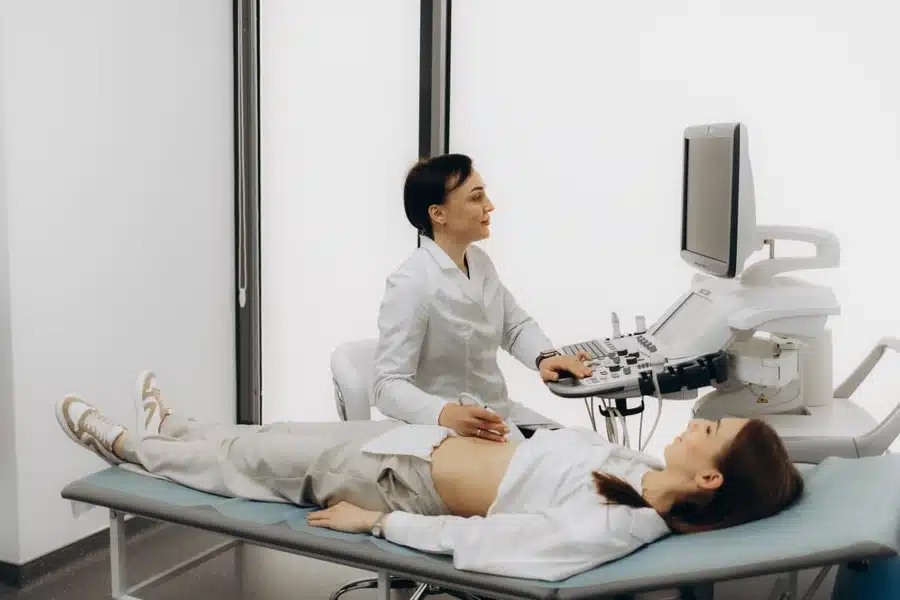
IVF Treatment for Patients from East Liverpool, OH
For individuals and couples in East Liverpool, OH who are considering IVF Treatment, Pittsburgh Fertility offers a clear, individualized path to discussing in-vitro fertilization at its Pittsburgh, PA location. IVF can help address a range of fertility circumstances, but it is also a significant medical and personal decision. A consultation gives you an opportunity to understand the process, review your history, and decide whether this approach fits your family-building goals.
Pittsburgh Fertility serves patients traveling from Ohio and surrounding communities without implying that every patient needs the same protocol or timeline. The practice focuses on creating families centered on each patient, with conversations that can account for prior treatment, diagnostic information, donor options, and the practical realities of arranging care. Starting with reliable information can make a complex process feel more manageable.
Understanding IVF Treatment and when it may be considered
In-vitro fertilization is a treatment in which eggs are retrieved, fertilized in a laboratory, and developed into embryos before an embryo is transferred to the uterus. This assisted reproductive technology may be considered when other approaches have not resulted in pregnancy or when a patient’s diagnosis suggests that IVF may offer an appropriate next step. It is not a single procedure, but a coordinated series of medication, monitoring, laboratory, and clinical steps.
Patients seek IVF care for many different reasons, including ovulatory disorders, tubal-factor infertility, sperm-related factors, unexplained infertility, age-related fertility concerns, or a need to use donor eggs or sperm. Some people arrive after trying timed intercourse, medication-assisted cycles, or intrauterine insemination. Others may benefit from discussing IVF earlier based on their medical history, reproductive goals, or the information identified during a fertility evaluation.
- Egg production may be stimulated with fertility medications so multiple follicles can mature.
- Eggs are retrieved during an in-office procedure performed under light anesthesia.
- Eggs and sperm are brought together in the laboratory, and resulting embryos can be observed as they develop.
- An embryo transfer places a selected embryo into the uterus, while remaining suitable embryos may be discussed with the care team.
A treatment path built around your circumstances
An IVF Treatment discussion should begin with your specific circumstances, not a one-size-fits-all assumption. Pittsburgh Fertility can review relevant records, health history, prior pregnancies, prior fertility treatment, and testing that may already be available. That individualized review helps frame which steps are appropriate to discuss and what additional evaluation may be useful before a cycle begins.
The term IVF describes fertilization that takes place outside the body, followed by planned embryo transfer to the uterus. It differs from intrauterine insemination because IUI places prepared sperm in the uterus and relies on fertilization occurring within the body. IVF generally involves more medication, monitoring, laboratory involvement, and procedures, which is why understanding the expected commitment matters before moving forward.
Choosing an IVF clinic involves more than comparing a treatment name. Patients from East Liverpool can consider whether the practice explains the sequence of care clearly, listens to their family-building priorities, and helps them understand what visits and decisions may be involved. It is also reasonable to ask how the clinic coordinates communication as results become available and what support is provided throughout the process.
What the IVF process commonly involves
Although every cycle is individualized, IVF usually follows a predictable clinical sequence. Medications are used to support the development of mature eggs, and monitoring helps the care team assess follicle growth and determine timing. After retrieval, the laboratory portion of care begins, followed by a discussion of embryo development and transfer planning.
- Preparation and planning: Your history and testing are reviewed, and the team discusses a recommended approach.
- Ovarian stimulation and monitoring: Injectable or other fertility medications are used over a planned interval, with appointments to track response.
- Egg retrieval and sperm preparation: Mature eggs are collected using ultrasound guidance; a partner or donor sperm sample is prepared for fertilization.
- Fertilization and embryo development: Embryologists assess eggs and monitor embryos as they develop in the laboratory.
- Transfer and follow-up: An embryo transfer is scheduled according to the treatment plan, with follow-up instructions and pregnancy testing discussed by the care team.
It is helpful to plan for the emotional as well as logistical side of care. Medication schedules, monitoring appointments, the retrieval procedure, laboratory updates, and waiting for results can each bring different concerns. A provider should explain anticipated steps in plain language, including that individual responses to medication and embryo development can vary.
Genetic testing is an option to discuss, not a requirement
IVF with genetic testing may be discussed when patients want information about embryos before transfer. Preimplantation genetic testing involves evaluating cells from embryos in a laboratory setting, and the potential role of testing depends on factors such as reproductive history, known genetic considerations, and personal goals. Pittsburgh Fertility can help patients understand what a particular testing conversation can and cannot answer before they decide whether it belongs in their plan.
Genetic testing does not guarantee pregnancy, and it is not automatically the right choice for every cycle. Patients may weigh added time, cost, available embryos, and the type of information they hope to gain. A careful discussion can help distinguish between testing that may be clinically relevant and an option that does not align with a patient’s priorities.
Preparing for care from East Liverpool
Because Pittsburgh Fertility is located in Pittsburgh, PA, patients coming from East Liverpool, Ohio should discuss the anticipated appointment schedule early in the process. Some phases of IVF require more frequent monitoring than others, while retrieval and transfer are in-person clinical milestones. Knowing the likely cadence in advance can help you consider work, support, medication timing, and travel planning without relying on assumptions.
A fertility consultation is the practical first step for reviewing whether IVF is appropriate and what information is needed before treatment. During this visit, patients can share their goals, medical and reproductive history, past records, and concerns about the treatment experience. The consultation also creates space to discuss possible diagnostic workup, alternatives to IVF, and the next decisions that may be appropriate.
After evaluation, a fertility treatment plan organizes the recommended steps around your diagnosis and goals. It may address medications, monitoring, egg retrieval, fertilization methods, embryo transfer timing, and any additional options you are considering. A written or clearly explained plan can help patients from OH understand what needs to happen before each milestone and prepare for changes that may be clinically necessary.
Practical support, costs, and informed decisions
Fertility care often involves practical questions alongside medical ones, and Pittsburgh Fertility provides patient resources to help patients navigate the process. Educational material can make it easier to prepare for appointments, understand common terminology, and keep track of decisions that arise over time. Patients should still bring their individual questions to the care team, especially when information from prior treatment or testing affects the next step.
Reviewing financial resources early can help make the cost conversation more organized and less stressful. IVF may involve separate elements such as medications, monitoring, retrieval, laboratory work, embryo transfer, and optional services, so it is useful to understand which components apply to a recommended plan. Asking for clear information before treatment begins supports informed decision-making and realistic preparation.
Pittsburgh Fertility also offers information about payment options for patients planning fertility care. Discussing payment considerations early allows you to ask how expenses may be structured and what questions to bring to your insurer or financial planning conversations. Financial decisions are personal, and a transparent discussion can help you evaluate treatment timing with greater confidence.
Take the next step with Pittsburgh Fertility
IVF is often both hopeful and demanding, and patients deserve a process that is explained with care. Pittsburgh Fertility in Pittsburgh, PA gives patients from East Liverpool and other Ohio communities a place to begin an informed conversation about their options. Whether you are exploring fertility care for the first time or considering IVF after previous treatment, the first appointment can clarify the path ahead.
Request an appointment with Pittsburgh Fertility to discuss IVF Treatment, your history, and the steps that may fit your goals. The team can help you begin planning care at its Pittsburgh, PA location and identify the information to have ready for your visit. Request your appointment with Pittsburgh Fertility today.
IVF questions from prospective patients
What is IVF Treatment?
IVF Treatment is a fertility process in which eggs are retrieved from the ovaries, fertilized with sperm in a laboratory, and allowed to develop into embryos. A selected embryo is then transferred to the uterus. The process usually includes medication, monitoring, egg retrieval, laboratory care, and follow-up.
Who may be a candidate for IVF?
IVF may be considered for people with tubal factors, ovulatory disorders, sperm-related fertility concerns, unexplained infertility, age-related fertility concerns, or unsuccessful prior treatment. It can also be part of family-building plans involving donor eggs or donor sperm. A fertility consultation is the appropriate way to determine whether it fits your individual history.
Do patients from East Liverpool, OH need to plan for multiple in-person visits?
IVF commonly includes several appointments, particularly during monitoring, as well as in-person procedures such as egg retrieval and embryo transfer. The number and timing of visits depend on the treatment plan. Patients traveling to Pittsburgh, PA should ask about the anticipated schedule before beginning a cycle so they can plan appropriately.
Is genetic testing required during IVF?
No. Genetic testing is an option that may be considered based on your history, genetic concerns, and treatment goals. It can provide information about embryos before transfer, but it does not guarantee pregnancy and may not be appropriate for every patient. Your care team can explain potential benefits, limitations, timing, and costs.