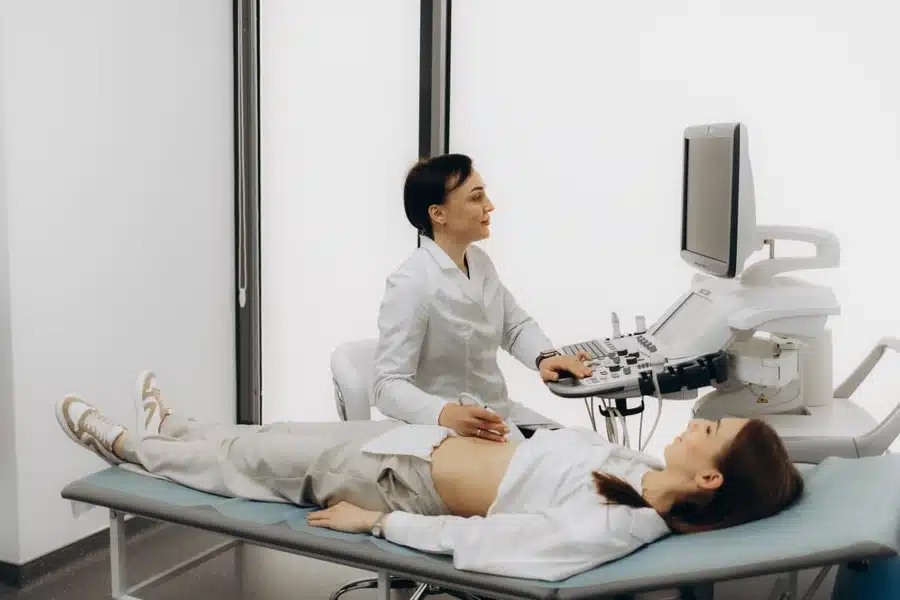
IVF Treatment for Patients from Coshocton, OH
For people from Coshocton, OH who are exploring IVF Treatment, Pittsburgh Fertility provides a place to begin with a clear discussion of testing, treatment choices, and the steps involved in in vitro fertilization. Pittsburgh Fertility is located in Pittsburgh, PA, and welcomes patients who are considering care outside their home community. A consultation can help turn a broad search for answers into a plan built around your history, goals, and questions.
In vitro fertilization can be considered when pregnancy has not occurred as expected, when a known fertility factor is present, or when a person or couple needs options involving donor eggs, donor sperm, or embryos. It is not automatically the first recommendation for every patient. A thoughtful evaluation helps determine whether IVF, medication-based ovulation support, intrauterine insemination, fertility preservation, or another approach fits the situation.
What IVF Treatment can address
IVF Treatment is a multi-step process in which eggs are stimulated and retrieved, fertilized in a laboratory, and developed into embryos that may be transferred to the uterus. It can offer a more controlled path to fertilization than treatments that depend on fertilization occurring inside the body. The details, timing, and appropriate next steps depend on individual medical factors and reproductive goals.
Patients may ask about this option after irregular ovulation, blocked or damaged fallopian tubes, sperm-related concerns, unexplained infertility, prior treatment attempts, or age-related changes in egg quantity or quality. IVF may also be relevant for single intended parents and LGBTQIA+ family-building plans. The right recommendation should account for the full picture, including medical records, prior pregnancies, test results, and personal preferences.
A practical look at the IVF process
Although every cycle is individualized, IVF generally includes medication, monitoring, laboratory work, and procedures performed at planned points in the cycle. Pittsburgh Fertility can explain what each stage is intended to accomplish and what preparation may be needed before treatment begins. Knowing the sequence in advance can make a complex process feel more manageable.
- Ovarian stimulation: Fertility medications encourage multiple follicles to develop, with monitoring used to guide timing.
- Egg retrieval: Once follicles are ready, eggs are collected in an office procedure using ultrasound guidance and light anesthesia.
- Sperm preparation and fertilization: A semen sample or donor sperm is prepared so eggs can be fertilized in the laboratory. In some circumstances, intracytoplasmic sperm injection, or ICSI, may be discussed.
- Embryo development and transfer: Embryologists assess embryo development, and an embryo transfer is planned when clinically appropriate.
It is important to understand that a treatment cycle involves decisions before, during, and after retrieval. Questions about fresh versus frozen embryo transfer, embryo storage, medication effects, and timing are reasonable to raise early. Your care team can explain which decisions may apply to your circumstances without promising a particular result.
Start with information that fits your situation
A fertility consultation creates time to review concerns, discuss reproductive history, and identify useful diagnostic next steps before committing to a procedure. Bring prior test results, treatment records, medication information, and questions about family-building goals when available. This initial conversation can clarify whether IVF is being considered now or whether further evaluation should come first.
After evaluation, a fertility treatment plan can organize recommended testing, medication protocols, procedures, and anticipated decision points into a more understandable path. A plan should be personal rather than a one-size-fits-all calendar because ovarian response, sperm parameters, uterine factors, and prior treatment history can differ. Patients should also ask how the plan may change if monitoring results suggest an adjustment is needed.
IVF decisions deserve clear comparisons
One useful distinction is between IVF and less invasive fertility care. Ovulation induction or intrauterine insemination may be appropriate in selected situations and generally do not include egg retrieval or laboratory embryo creation. IVF involves more steps and monitoring, but it can provide options that other treatments do not, including embryo freezing and, when appropriate, genetic testing of embryos.
Patients sometimes assume IVF is only for couples with long-standing infertility, but eligibility is broader and depends on clinical findings and goals. Conversely, IVF is not a guarantee of pregnancy, and success can be influenced by factors such as age, egg and sperm factors, embryo development, and uterine health. An informed decision weighs potential benefits, the physical and emotional demands of treatment, timing, and costs.
- What testing is recommended before a cycle?
- Which medications, monitoring visits, procedures, and laboratory stages are anticipated?
- Would embryo freezing, donor options, or ICSI be relevant to the plan?
- How will the practice communicate results, changes, and next decisions throughout the cycle?
Specialized options and support throughout care
When people refer to IVF Treatment, they are often describing a treatment pathway that includes ovarian stimulation, egg retrieval, fertilization, embryo culture, and transfer planning. An IVF clinic should help patients understand which parts of that pathway apply to them and why, rather than treating every cycle as identical. Pittsburgh Fertility can discuss the clinical sequence and the questions that matter before patients from Ohio decide how to proceed.
IVF with genetic testing may be discussed for patients who want to understand whether embryo testing is appropriate for their circumstances. Preimplantation genetic testing is performed on embryos created through IVF, and it is a distinct decision from simply pursuing an IVF cycle. The potential role, limitations, timing, and implications of testing should be reviewed carefully with a fertility professional and, when applicable, genetics specialists.
Reliable information can reduce uncertainty between appointments. Pittsburgh Fertility’s patient resources can help prospective patients review treatment topics and prepare for productive conversations with the care team. Educational materials are useful for building familiarity with terminology, but they do not replace individualized medical guidance.
Plan for the financial conversation early
Fertility care can involve several categories of expense, including consultation, testing, medications, procedures, laboratory services, and embryo storage where applicable. Pittsburgh Fertility’s financial resources can help patients identify topics to review as they prepare for treatment discussions. Asking for a clear explanation of anticipated components can make it easier to compare choices and avoid surprises.
Understanding available payment options is an important part of deciding whether and when to move forward with IVF care. Patients should ask what is included in quoted services, how medications and outside laboratory services are handled, and whether insurance questions need separate follow-up. Financial planning does not have to wait until the final stage of a treatment decision.
Considering care in Pittsburgh from Coshocton
Pittsburgh Fertility is based in Pittsburgh, PA, not Coshocton, Ohio. For patients traveling from Coshocton, OH, it is helpful to discuss the anticipated schedule before beginning a cycle, including which appointments and procedures require an in-person visit. The practice can help explain the sequence of care so you can consider personal, work, and family commitments alongside clinical planning.
Before selecting a fertility provider, look for clear communication about evaluation, treatment options, medication instructions, monitoring, procedures, laboratory steps, and financial questions. It is also reasonable to ask how records are reviewed and how you will receive guidance when a result requires a decision. A provider relationship should give you space to understand the process and make choices aligned with your goals.
Frequently asked questions about IVF care
What is IVF Treatment?
IVF Treatment is a fertility process that uses medications to stimulate egg development, retrieves mature eggs, fertilizes them in a laboratory, and allows embryos to develop before transfer planning. It may be considered for a range of fertility factors, but the recommended approach depends on an individual’s or couple’s evaluation, history, and reproductive goals.
How do I know whether IVF is the right next step?
A fertility evaluation and discussion of your history are the best way to determine whether IVF is appropriate. The recommendation may depend on ovulation, fallopian tube status, sperm factors, prior treatment, age-related considerations, and whether donor or genetic-testing options are being considered.
Does every IVF cycle include genetic testing?
No. Genetic testing is a separate option that may be considered after embryos are created through IVF. It has potential uses and limitations, so the decision should follow a personalized discussion about your history, goals, embryo testing questions, and the implications of possible results.
Can someone from Coshocton, OH schedule IVF care with Pittsburgh Fertility?
Yes. Pittsburgh Fertility is located in Pittsburgh, PA and can discuss IVF care with prospective patients from Coshocton, Ohio. During an appointment request or consultation, ask about the expected treatment sequence and which visits or procedures need to be planned in person.
Take the next step toward a personalized fertility conversation
If you are researching IVF Treatment from Coshocton or elsewhere in Ohio, a conversation with Pittsburgh Fertility can help you understand the evaluation process, treatment pathway, and practical questions that matter to you. You do not need to have every answer before reaching out. Bring your concerns, goals, and any prior records so the discussion can start with what is most relevant to your family-building plans.
Request an appointment with Pittsburgh Fertility to discuss fertility care at its Pittsburgh, PA location and explore whether IVF may be an appropriate option for you. A planned consultation is a meaningful first step toward informed, individualized care.