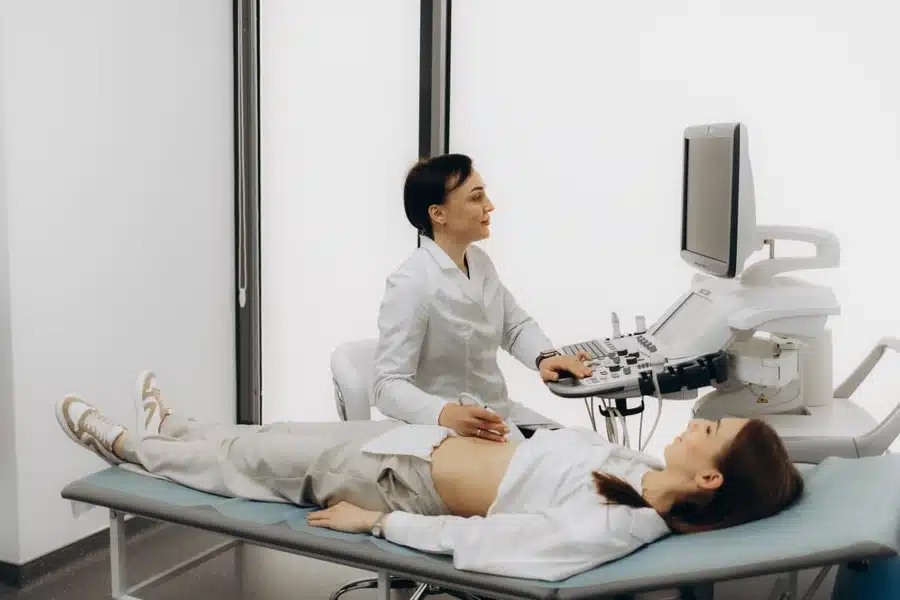
IVF Treatment for Patients from Columbiana, OH
For individuals and couples from Columbiana, OH who are considering in vitro fertilization, Pittsburgh Fertility offers a dedicated place to begin the conversation in Pittsburgh, PA. IVF Treatment is a structured medical process that combines eggs and sperm in a laboratory, then transfers an embryo to the uterus when appropriate. The process can feel complex, but understanding the decisions, timing, and support involved can make a next step feel more manageable.
Pittsburgh Fertility serves patients traveling from Ohio without representing itself as a Columbiana office. A consultation is an opportunity to discuss your history, goals, prior testing or treatment, and questions before deciding whether assisted reproduction is the right path. Care should be individualized, because the reasons for seeking fertility help and the choices available differ from one person or family to another.
When in vitro fertilization may be worth discussing
IVF can be considered when pregnancy has not occurred with less complex care, when a known fertility factor affects the chance of conception, or when a person or couple needs a treatment approach that allows embryos to be created outside the body. It may be relevant for tubal-factor infertility, certain ovulation concerns, sperm-related factors, use of donor eggs or sperm, some fertility preservation plans, or unexplained infertility. A clinician can review whether IVF, another treatment, or additional diagnostic information makes the most sense for your circumstances.
It is helpful to view fertility care as a decision process rather than a single predetermined route. Ovulation induction or intrauterine insemination may be reasonable options for some patients, while others may benefit from proceeding to in vitro fertilization based on their medical history, age-related considerations, prior treatment experience, or family-building goals. No treatment can promise a pregnancy, so a useful discussion includes potential benefits, limitations, risks, timing, and emotional readiness.
Start with a fertility consultation
A fertility consultation gives you time to share relevant medical and reproductive history and understand the information needed to guide care. Bring records from prior testing or treatment when available, along with a current medication list and questions about your goals. This initial conversation can clarify whether further evaluation is needed before discussing an IVF cycle in detail.
For patients coming from Columbiana or elsewhere in OH, early planning can also make appointments easier to manage. Ask which visits and procedures must occur in person, how monitoring and communication are handled, and what scheduling considerations may apply during a treatment cycle. Pittsburgh Fertility is located in Pittsburgh, PA, so discussing practical expectations before committing to a plan is a sensible part of choosing care.
What the IVF process generally involves
Although protocols vary, IVF usually includes ovarian stimulation, egg retrieval, fertilization in the laboratory, embryo development, and embryo transfer at the appropriate time. The timeline is multi-step because medications need time to stimulate follicle development and the laboratory needs time to assess embryo growth. Your care team can explain the sequence proposed for you and why it fits your clinical picture.
- Ovarian stimulation: Injectable or other fertility medications are used to encourage multiple follicles to develop, with monitoring used to follow the response.
- Egg retrieval: Once follicles are mature, eggs are collected during an in-office procedure that uses ultrasound guidance and light anesthesia.
- Sperm preparation and fertilization: A semen sample from a partner or donor can be prepared so embryologists can fertilize mature eggs. In some circumstances, intracytoplasmic sperm injection (ICSI) may be discussed.
- Embryo development and transfer: Embryos are observed as they develop. An embryo may be transferred to the uterus according to the treatment plan, while questions about embryo storage and future family-building can also be addressed.
Medication effects, monitoring visits, and the waiting periods between milestones can create physical and emotional demands. Mild cramping can occur after retrieval, and each person should receive instructions about recovery and when to contact the care team. Thoughtful planning for work, support at home, and transportation after a procedure can help reduce avoidable stress.
How IVF Treatment at an IVF clinic is different from trying on your own
Choosing IVF Treatment at an IVF clinic means that egg development, fertilization, and early embryo growth are evaluated through a coordinated medical and laboratory process rather than relying solely on ovulation timing. This approach can provide more information about several stages of reproduction, but it also requires medications, procedures, appointments, and careful consideration of cost and personal preferences. Pittsburgh Fertility can help patients understand the steps involved before they decide whether to proceed.
It is also important to separate common misconceptions from realistic expectations. IVF does not eliminate every cause of infertility, and it does not guarantee that every retrieved egg will become an embryo or that every embryo transfer will result in pregnancy. A clear conversation about anticipated steps, possible changes to a protocol, and the decisions that may arise at each stage supports informed consent.
Considering IVF with genetic testing
IVF with genetic testing may be discussed when patients want to explore testing embryos for certain genetic or chromosomal considerations before transfer. The option involves creating embryos through IVF, obtaining cells for laboratory analysis at an appropriate developmental stage, and reviewing what the results can and cannot tell you. It is not necessary or appropriate for every patient, so ask how testing could affect timing, embryo selection discussions, cost, and your particular goals.
Genetic testing can add decisions to an already detailed treatment process. Patients may wish to ask what types of testing are being considered, what outcomes might be possible, and how results would be used in planning a transfer. Personalized guidance is especially valuable when there is a known inherited condition or prior reproductive history to review.
Build a plan around your medical and practical needs
A fertility treatment plan should connect diagnostic information, treatment recommendations, medication instructions, monitoring, and next decisions in a way you can understand. It can also establish when the team will reassess if your response differs from expectations. Asking for the rationale behind each step helps you participate actively in decisions about your care.
- What testing or records should be reviewed before starting?
- Which appointments, monitoring visits, and procedures are expected during a cycle?
- What medications may be used, and what side effects or warning signs should be discussed?
- What happens if there are fewer eggs, embryos, or transfer options than hoped?
- What choices may arise regarding donor gametes, embryo freezing, or genetic testing?
- How should patients traveling from Ohio prepare for required in-person care in Pittsburgh?
Patients often benefit from writing questions down before each visit and identifying a trusted support person, if desired. Fertility treatment can involve uncertainty even when a plan is clear, and it is appropriate to ask for plain-language explanations of medical terms, medication calendars, and follow-up expectations. The right pace is one that allows you to make informed decisions with your care team.
Resources for costs, logistics, and ongoing questions
Understanding financial resources is an important part of evaluating IVF because treatment costs may include consultations, testing, medications, procedures, laboratory services, and possible embryo storage or testing. Reviewing available information before beginning can help you anticipate questions and prepare for conversations about your circumstances. Financial planning is not separate from treatment planning, since affordability can influence the options a patient is comfortable considering.
Pittsburgh Fertility’s payment options information can help prospective patients identify topics to discuss with the practice before scheduling or beginning a cycle. Ask what services are included or billed separately, how medication expenses are addressed, and whether any insurance-related questions should be clarified directly with your insurer. Clear financial questions early in the process can prevent surprises later.
The practice’s patient resources can provide a useful starting point for reviewing treatment concepts and preparing for conversations with the care team. Educational materials do not replace individualized medical advice, but they can help patients and partners become familiar with terminology such as stimulation, retrieval, embryo transfer, and fertility preservation. Use reliable information to support questions, not to self-direct a protocol.
Questions patients from Columbiana often consider
Is IVF Treatment appropriate after other fertility treatments have not worked?
IVF may be considered after unsuccessful treatment with medication or intrauterine insemination, but the appropriate next step depends on the underlying fertility factors, prior response, age-related considerations, and family-building goals. A consultation allows Pittsburgh Fertility to review your situation rather than assume the same sequence is right for everyone.
How long does an IVF cycle take?
An IVF cycle includes several stages, including medication-based ovarian stimulation, monitoring, egg retrieval, laboratory fertilization and embryo development, and transfer planning. Exact timing varies by protocol and individual response. Your care team can explain the expected calendar and which appointments require an in-person visit in Pittsburgh, PA.
Can people from Columbiana, OH receive care at Pittsburgh Fertility?
Yes. Pittsburgh Fertility serves patients who travel from Columbiana, Ohio for fertility care at its Pittsburgh, PA location. Before starting, ask the practice which appointments and procedures need to be completed in person, what records to provide, and how to plan around the treatment schedule.
Does genetic testing guarantee a healthy pregnancy?
No. Embryo genetic testing can provide specific information depending on the type of test used, but it cannot guarantee implantation, pregnancy, or the health of a future child. A clinician can explain the purpose, limitations, possible results, and whether testing is relevant to your treatment plan.
Take the next step with Pittsburgh Fertility
If you are exploring IVF Treatment from Columbiana, OH, a conversation with Pittsburgh Fertility can help turn broad concerns into practical next steps. You can discuss your history, review potential options, and ask how care at the Pittsburgh, PA location may fit your medical needs and personal circumstances. Schedule an appointment when you are ready to explore a thoughtful, individualized path forward.
Request an appointment with Pittsburgh Fertility to begin discussing fertility care and IVF options in Pittsburgh, PA.