IVF Treatment for Patients from Canfield, OH
For people in Canfield, OH who are considering assisted reproduction, Pittsburgh Fertility provides a clear path to exploring IVF Treatment at its Pittsburgh, PA location. In vitro fertilization can address several fertility challenges by bringing together eggs and sperm in a laboratory, then transferring an embryo to the uterus when appropriate. The process is personal, medically involved, and best approached with an individualized discussion of your history, goals, and practical needs.
Pittsburgh Fertility serves patients who travel from Ohio and surrounding communities for fertility care in Pittsburgh, PA. A consultation is an opportunity to understand whether this treatment fits your circumstances, what testing may be useful, and how the stages of care may be organized before you make decisions. Thoughtful planning can make a multi-step fertility process feel more understandable and manageable.
When in vitro fertilization may be considered
IVF is a treatment option that may be considered when other approaches are unlikely to offer the same opportunity or have not resulted in pregnancy. It may be relevant for individuals or couples facing blocked or damaged fallopian tubes, ovulation-related concerns, male-factor infertility, certain genetic considerations, unexplained infertility, or a need for donor eggs, sperm, or embryos. It can also be part of family-building conversations for single intended parents and LGBTQIA+ patients.
Not every person who seeks fertility care needs to begin with IVF. Ovulation induction, timed intercourse, intrauterine insemination (IUI), surgery in selected situations, or fertility preservation may be discussed depending on the diagnosis, age, prior treatment history, ovarian reserve, sperm factors, and family-building goals. The useful question is not whether one treatment is universally better, but which approach has a reasonable role in your specific plan.
Understanding what IVF involves
IVF is a multi-stage treatment cycle rather than one appointment or procedure. Medications support the development of multiple follicles, eggs are retrieved in an office-based procedure, and embryology work takes place after eggs and sperm are collected. Embryos may then be observed in the laboratory and considered for transfer based on the treatment plan.
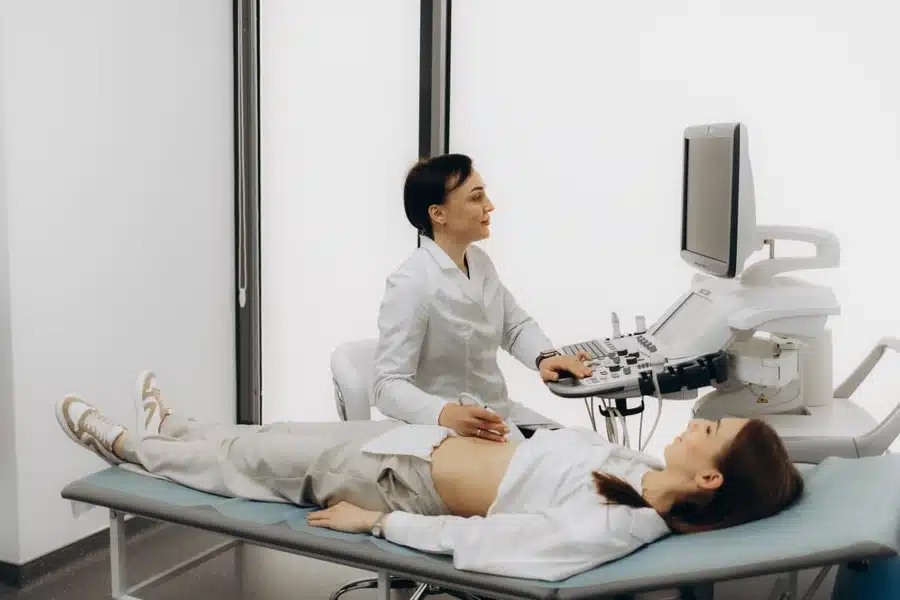
The schedule and medication instructions matter because follicle development is monitored over time. Ultrasound examinations and bloodwork generally help the care team assess how the ovaries are responding and determine when retrieval should occur. Your care team can explain the anticipated visit cadence and which parts of the process require an in-person visit in Pittsburgh.
- Preparation and evaluation: Review health history, prior fertility care, medications, and diagnostic information to guide next steps.
- Ovarian stimulation and monitoring: Use prescribed medication and monitoring to support the maturation of eggs.
- Egg retrieval and fertilization: Retrieve mature eggs, prepare sperm from a partner or donor source, and fertilize eggs in the laboratory.
- Embryo development and transfer planning: Discuss embryo development, any testing considerations, and the timing of an embryo transfer when appropriate.
Retrieval uses ultrasound guidance and is performed under light anesthesia according to the information provided by Pittsburgh Fertility. Mild cramping can occur afterward, and recovery questions should be discussed with the clinical team before your procedure. The emotional side of waiting, receiving updates, and making decisions is also real, so it is reasonable to ask how communication and follow-up will work during a cycle.
Building a plan around your medical and family goals
A fertility consultation gives prospective patients a structured place to review why pregnancy has not happened, what records may be helpful, and what options deserve consideration. It is also the time to share goals such as trying with your own eggs, using donor sperm, preserving future options, or pursuing genetic information about embryos. Patients from Canfield and elsewhere in Ohio can use this conversation to understand the likely sequence of decisions before committing to a cycle.
A personalized fertility treatment plan translates test results and priorities into a practical clinical approach. It may outline recommended medications, monitoring, retrieval, fertilization methods, embryo transfer timing, and alternatives if IVF is not the right immediate step. A plan should also leave room for questions, since new information can shape decisions as treatment progresses.
Questions that help you compare treatment paths
Choosing among fertility options often involves weighing time, cost, invasiveness, and the information available from testing. IVF can offer greater laboratory involvement and the possibility of creating and evaluating embryos before transfer, while treatments such as IUI are less complex but may not address every diagnosis. Your history and goals determine which tradeoffs matter most.
- What findings in my evaluation support IVF, and are there reasonable alternatives to consider first?
- What monitoring, procedures, medications, and recovery needs should I anticipate during a cycle?
- How will embryo transfer timing be decided, and what decisions may arise if more than one embryo develops?
- Which appointments need to happen in Pittsburgh, PA, so I can plan responsibly from Canfield, OH?
- What costs may be separate from clinical treatment, such as medications, laboratory services, or storage?
An IVF clinic should help patients understand both the medical steps and the decisions connected to those steps. For someone traveling from Ohio, it is particularly useful to clarify appointment requirements, the timing of monitoring, how questions are handled between visits, and what records should be transferred before care begins. Clear expectations support informed consent and reduce avoidable uncertainty.
Genetic testing is an optional, separate discussion
IVF with genetic testing may be discussed for patients who want information about certain genetic or chromosomal factors in embryos before transfer. Preimplantation testing is not automatically appropriate for every patient, and it does not replace individualized medical guidance or guarantee a pregnancy. A consultation can help you understand the purpose of testing, the additional steps involved, possible limitations, and whether it aligns with your goals.
Embryo testing decisions can affect the timeline because embryos may need to be biopsied and frozen while results are processed. Patients may also wish to discuss how results could influence transfer planning and what outcomes could mean for the number of embryos available. Asking these questions early can prevent surprises later in the process.
Practical preparation for patients traveling from Canfield
Pittsburgh Fertility is located in Pittsburgh, PA, not Canfield, Ohio. IVF care includes appointments that occur at different points in the cycle, so prospective patients should ask which visits are expected in person before arranging treatment. Bringing prior records, medication lists, and relevant testing information to the initial discussion can help make the consultation more productive.
Fertility treatment can involve clinical, emotional, scheduling, and financial preparation. Rather than assuming a standard timeline or expense, ask for an explanation of the anticipated sequence for your situation and any decisions that could change it. This approach is especially valuable when coordinating care from outside Pennsylvania.
Resources for the decisions beyond the procedure
Pittsburgh Fertility’s patient resources can help you prepare for fertility care with information that supports conversations before and during treatment. Reviewing educational material in advance may help you organize questions about medications, procedures, test results, or next steps. Resources are most useful when paired with direct guidance from your care team about how general information applies to you.
Understanding available financial resources is an important part of considering IVF because treatment-related expenses can include more than one component. Patients can use this information to prepare questions about anticipated charges, medication costs, laboratory-related services, and potential planning tools. Financial discussions are not separate from care decisions, since budget and timing can influence which path feels workable.
Reviewing payment options before starting a cycle can make it easier to plan rather than make decisions under pressure. Ask the practice which options may apply to your care and whether there are details to confirm before treatment begins. It is also wise to ask your insurance carrier directly about any fertility-related benefits, exclusions, authorization requirements, or documentation needs.
Take the next step with Pittsburgh Fertility
IVF is often a significant decision, but the first step does not require having every answer. A consultation with Pittsburgh Fertility can help you review your circumstances, understand the IVF process, consider alternatives when appropriate, and identify the questions that matter most for your family-building goals. For patients coming from Canfield, OH, planning starts with a straightforward conversation about care at the Pittsburgh, PA location.
Ready to discuss your options? Request an appointment with Pittsburgh Fertility to begin a fertility consultation and discuss IVF care in Pittsburgh, PA. The team can help you explore a path that reflects your medical history, priorities, and next steps.
Frequently asked questions about IVF care
What is IVF Treatment?
IVF Treatment is a fertility process in which eggs are stimulated and retrieved, combined with sperm in a laboratory, and developed into embryos. Depending on the treatment plan, an embryo may later be transferred to the uterus. Evaluation, medication monitoring, retrieval, fertilization, and transfer planning are separate stages of care.
Do I need to have tried other fertility treatments before IVF?
Not always. Some diagnoses or family-building circumstances may make IVF a reasonable option earlier, while others may support trying lower-complexity treatment first. A fertility consultation considers factors such as medical history, diagnostic findings, age, prior treatment, sperm parameters, tubal status, and personal goals before a recommendation is made.
Can patients from Canfield, OH receive IVF care at Pittsburgh Fertility?
Yes. Pittsburgh Fertility’s location is in Pittsburgh, PA, and patients from Canfield, OH can request an appointment to discuss care there. Because IVF involves several stages, ask the team which appointments and procedures need to be in person and how to prepare before beginning treatment.
What should I ask about IVF costs?
Ask which clinical services, medications, laboratory services, genetic testing, embryo storage, and other components may be billed separately. You can also ask about payment options and contact your insurer directly to confirm fertility benefits, limitations, prior authorization requirements, and any documentation needed for your plan.