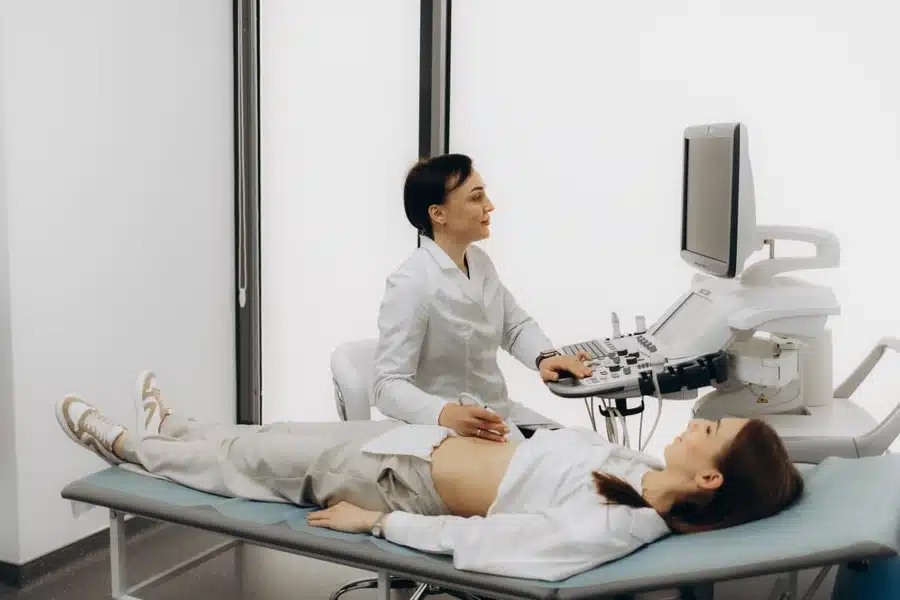
IVF Treatment for Patients from Cambridge, OH
For individuals and couples from Cambridge, OH who are considering IVF Treatment, Pittsburgh Fertility provides a clear path to a more informed fertility-care decision at its Pittsburgh, PA location. In vitro fertilization can help when conception has not happened as expected, when specific reproductive factors are present, or when a patient needs a treatment approach with more laboratory involvement than other options.
Choosing care is about more than selecting a procedure. It is about understanding the steps, the possible decisions along the way, and what support will help you feel prepared. Pittsburgh Fertility centers the family-building process on the individual patient and offers a place to begin discussing whether IVF may fit your goals, history, and circumstances.
When in vitro fertilization may be considered
IVF is a multi-step fertility treatment in which eggs are retrieved, fertilized with sperm in a laboratory, developed into embryos, and followed by embryo transfer to the uterus when appropriate. It is often considered after an evaluation identifies factors that may make unassisted conception or less intensive treatment less likely to succeed.
A patient may ask about IVF because of ovulation concerns, blocked or damaged fallopian tubes, endometriosis, male-factor infertility, unexplained infertility, or a need to use donor eggs or sperm. It may also be part of family-building conversations for people preserving fertility or pursuing LGBTQIA+ family planning. Whether it is the right next step depends on the full clinical picture, not on one diagnosis alone.
- It can allow the care team to monitor egg development and embryo creation outside the body.
- It may offer more options for fertilization, embryo development, and the timing of transfer than lower-intensity treatments.
- It creates a structured process for patients whose circumstances call for assisted reproductive technology.
- It can be discussed alongside alternatives, including ovulation-induction medication or intrauterine insemination, when clinically appropriate.
Start with a complete conversation about your situation
A fertility consultation is the appropriate starting point for reviewing your reproductive history, prior pregnancies or treatments, medications, and goals for building a family. It also gives you time to raise concerns about the physical, emotional, practical, and financial aspects of care. The information gathered during this visit can help determine whether diagnostic workup, a different treatment, or IVF should be considered next.
Patients should not assume IVF is automatically the first or only solution. Some people may be candidates for treatments that are less involved, while others may benefit from moving to IVF based on age-related considerations, prior treatment history, or identified fertility factors. A thoughtful evaluation helps make that distinction rather than relying on a one-size-fits-all timeline.
What the IVF process generally involves
Although each person’s treatment sequence is individualized, IVF typically moves through ovarian stimulation, egg retrieval, fertilization and embryo development, and embryo transfer. The process requires coordination, medication instructions, monitoring, and planned procedures, so knowing the broad sequence can make the experience feel more manageable.
- Ovarian stimulation: Injectable or other fertility medications encourage multiple follicles to develop. Monitoring visits and testing help the care team assess response and determine when eggs are ready for retrieval.
- Egg retrieval: Once follicles are mature, eggs are collected during an in-office procedure performed with light anesthesia. Mild cramping afterward can occur, and the laboratory evaluates retrieved eggs for maturity.
- Sperm preparation and fertilization: A semen sample from a partner or donor is prepared so embryologists can use it for fertilization. In some situations, intracytoplasmic sperm injection, or ICSI, may be part of the fertilization plan.
- Embryo development and transfer: Embryos are observed as they develop. Depending on the plan, an embryo may be transferred to the uterus in a subsequent step, while questions about freezing or testing can be addressed with the care team.
The actual calendar, medication protocol, and number of monitoring appointments can vary. Patients from Cambridge and elsewhere in Ohio should ask early which steps require in-person visits at Pittsburgh Fertility in Pittsburgh, PA and how to plan around their work, caregiving, and travel commitments. Clear expectations before treatment begins can reduce last-minute stress.
Understanding the laboratory and transfer decisions
Many people use the term IVF to describe the entire experience, but it includes several distinct decisions after retrieval. These may include how sperm will be provided, whether ICSI is recommended, how embryos will be observed, and when an embryo transfer may take place. Asking for an explanation of the purpose and tradeoffs of each decision can help you participate confidently in your care.
Embryo transfer is an important milestone, but it is not a guarantee of pregnancy. Results can be influenced by factors such as egg quality, sperm factors, embryo development, uterine conditions, and age. A responsible discussion of in vitro fertilization should recognize both its potential benefits and the uncertainty that can be part of any fertility treatment cycle.
When genetic testing may be part of the discussion
IVF with genetic testing refers to an IVF approach that may include testing embryos before transfer for certain genetic or chromosomal considerations. It may be discussed for patients with particular medical histories, known inherited conditions, recurrent pregnancy loss, or other circumstances identified during care. Testing is a significant decision, so patients should ask what it can assess, its limitations, how results may affect embryo-selection decisions, and whether it is appropriate for their individual situation.
Genetic testing is not a requirement for every IVF cycle, and it should not be viewed as a promise of a particular outcome. The value of testing depends on the reason it is being considered and the patient’s goals. A personalized conversation can clarify whether this option fits into the broader treatment approach.
Making a practical, informed treatment choice
Choosing an IVF clinic involves considering communication, the clarity of the proposed process, access to counseling about treatment decisions, and the practical demands of appointments and procedures. For prospective patients coming from Cambridge, OH, it is especially useful to discuss anticipated visit timing before committing to a cycle. Pittsburgh Fertility is located in Pittsburgh, PA, not Cambridge, so the practice can help begin the conversation about the care process while patients consider their own scheduling needs.
Bring records from prior testing or fertility treatment if you have them, and write down questions in advance. Useful topics include the purpose of recommended tests, how medication teaching works, what to expect after retrieval, who to contact with concerns, and what decisions might arise before transfer. Understanding the plan in plain language is an important part of selecting fertility care.
- What findings make IVF more appropriate than IUI or medication-based treatment in my case?
- Which appointments and procedures should I expect during a cycle?
- What decisions may be needed about sperm source, fertilization methods, embryo freezing, or transfer timing?
- How will the care team explain medication instructions, test results, and next steps?
A plan that reflects your fertility goals
A fertility treatment plan organizes recommendations around your diagnostic information, reproductive goals, and the treatments under consideration. Rather than treating IVF as an isolated procedure, a plan helps connect testing, medication, laboratory steps, transfer decisions, and follow-up into a coherent course of care. It also gives patients a framework for asking why a recommendation is being made and what alternatives may exist.
Plans can change when new information emerges during monitoring or after laboratory assessment. That is a normal part of fertility care, not necessarily a sign that something has gone wrong. Patients benefit when they understand which parts of the plan are fixed, which may be adjusted, and what those adjustments could mean.
Resources and cost conversations before you begin
Fertility care can feel complex even before a cycle begins, which is why reviewing available patient resources can help patients prepare for appointments and understand the broader care journey. Educational materials can support more productive conversations about evaluation, treatment choices, and the questions that matter to you. Use resources as a foundation for discussion, while relying on your care team for guidance tailored to your medical situation.
It is also reasonable to address costs early. Pittsburgh Fertility’s financial resources can help patients identify information to review as they prepare for fertility care. Because IVF can involve medications, monitoring, procedures, laboratory work, and possible additional services, asking for clear cost information helps you make decisions with fewer surprises.
Available payment options are another important part of planning for treatment. Patients should ask which charges may be separate, what documentation they may need, and when payment-related decisions need to be made. A direct financial conversation does not take away from the emotional importance of treatment; it supports informed planning alongside the medical decisions.
For people in Ohio weighing IVF care, the strongest next step is often a consultation that addresses medical fit and practical readiness together. Pittsburgh Fertility can help you begin that discussion at its Pittsburgh, PA location, with attention to the questions that are most relevant to your circumstances.
Frequently asked questions about IVF care
What is IVF Treatment?
IVF Treatment is a fertility process in which eggs are stimulated and retrieved, fertilized with sperm in a laboratory, developed into embryos, and followed by embryo transfer when appropriate. It may be considered for a range of fertility factors after an individualized evaluation and discussion of other options.
Do I need to travel to Cambridge for care with Pittsburgh Fertility?
No. Pittsburgh Fertility is located in Pittsburgh, PA and serves patients who may be coming from Cambridge, OH. The practice does not claim an office in Cambridge. During a consultation, ask which parts of your anticipated care require in-person visits and how to plan your schedule accordingly.
Is IVF always recommended before other fertility treatments?
No. IVF is one option within fertility care, and it is not automatically the first recommendation. Depending on the evaluation, some patients may discuss medication to support ovulation or intrauterine insemination before IVF. Others may have circumstances that make an IVF discussion appropriate sooner.
What should I prepare for my first IVF conversation?
Gather relevant medical records, prior fertility testing or treatment details, medication information, and questions about your goals. Consider asking about likely steps, monitoring, retrieval, embryo transfer, genetic-testing options, costs, and the appointments that may be needed in Pittsburgh. This preparation can make the consultation more focused and useful.
If you are exploring IVF Treatment from Cambridge, OH, request an appointment with Pittsburgh Fertility in Pittsburgh, PA. A consultation can help you understand your evaluation, treatment options, and the practical steps involved in pursuing fertility care. Request your appointment with Pittsburgh Fertility to begin a personalized conversation about your family-building goals.