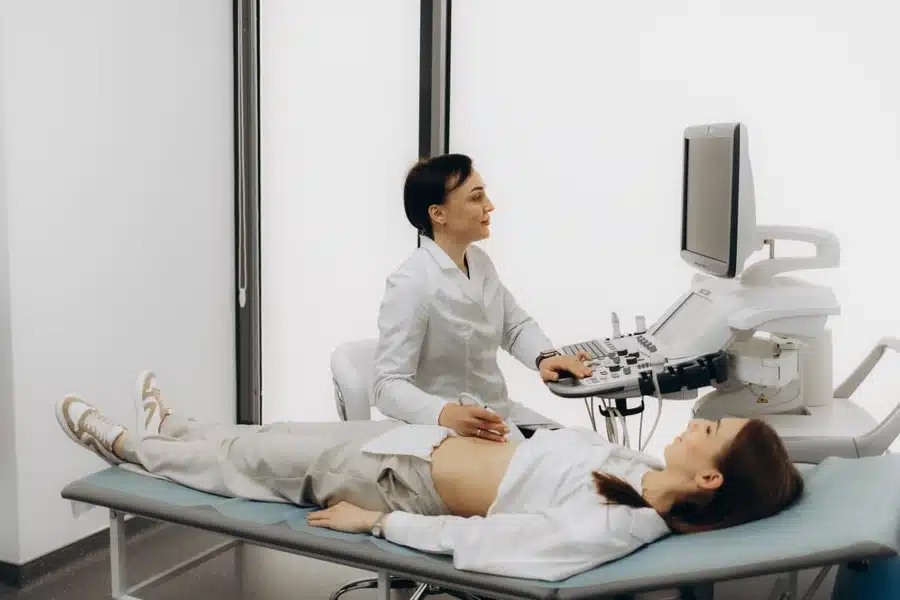
IVF Treatment for Patients from Aurora, OH
When pregnancy has not happened as expected, deciding whether to pursue IVF Treatment can feel both hopeful and overwhelming. Pittsburgh Fertility provides fertility care in Pittsburgh, PA, for patients traveling from Aurora, OH and other Ohio communities who want a clear evaluation, a thoughtful plan, and an informed path forward.
In vitro fertilization is not the first recommendation for every person or couple, but it can be an important option when other approaches are unlikely to work or have not led to pregnancy. A consultation allows patients to discuss their history, testing, timing, family-building goals, and the practical realities of treatment before making a decision.
How IVF Treatment can address complex fertility needs
IVF Treatment combines eggs and sperm in a laboratory, then places an embryo in the uterus through an embryo transfer. It may help address blocked or damaged fallopian tubes, ovulation concerns, male-factor infertility, diminished ovarian reserve, unexplained infertility, or the need to use donor eggs, donor sperm, or gestational carrier arrangements. The right recommendation depends on individual medical findings and goals.
For patients considering IVF clinic care, the value is not simply access to a procedure. IVF creates opportunities to assess egg maturity, fertilization, and embryo development while giving a fertility team information that is not available through timed intercourse or some lower-intensity treatments. It can also offer more control over the timing of embryo transfer and future family-building plans.
IVF is often discussed after less invasive options, such as ovulation induction or intrauterine insemination, have not been successful. However, moving step by step is not always the most appropriate route. Age, ovarian reserve, sperm parameters, tubal status, prior pregnancy history, and how long someone has been trying can all affect whether IVF may be a reasonable next conversation.
What happens during a typical IVF cycle
An IVF cycle has several coordinated phases, each with a distinct purpose. While the details and calendar vary by patient, the process generally includes medication to mature multiple eggs, monitoring, egg retrieval, fertilization in the laboratory, embryo development, and embryo transfer when appropriate. Pittsburgh Fertility can explain what each phase involves in the context of your own care.
- Ovarian stimulation and monitoring: Fertility medications encourage multiple follicles to develop. Ultrasound exams and hormone testing help guide medication adjustments and determine when eggs are ready for retrieval.
- Egg retrieval: Once follicles are mature, eggs are collected through an ultrasound-guided procedure performed with anesthesia. Mild cramping or discomfort afterward can occur, and patients receive recovery guidance.
- Fertilization and embryo development: Eggs are assessed for maturity, and sperm from a partner or donor is prepared for fertilization. The embryology process tracks development before decisions are made about transfer, freezing, or, when selected, testing.
- Embryo transfer and follow-up: An embryo is placed in the uterus in a separate procedure. Follow-up instructions and pregnancy testing help determine the next step.
No fertility procedure can promise a particular outcome, and a cycle may lead to decisions that are emotionally difficult or unexpected. Asking how the care team communicates updates, handles changes in the plan, and supports decisions about embryos can make the process more manageable. Patients from Aurora, OH can also discuss the timing of required in-person visits in Pittsburgh, PA while planning care.
Start with a plan built around your circumstances
A productive first appointment turns broad concerns into specific next steps. During a fertility consultation, patients can review menstrual and reproductive history, prior pregnancies, previous testing or treatment, medications, and family-building priorities. Bringing records when available can help make the discussion more focused, but a consultation is also an opportunity to identify what information is still needed.
Diagnostic workup may include hormone testing, ultrasound assessment, semen analysis, evaluation of the uterus or fallopian tubes, or other studies based on the situation. These results help determine whether IVF, another fertility treatment, or further evaluation makes the most sense. Good decision-making begins with understanding not only what is possible, but why one option may fit better than another.
Questions that help you compare options
Before choosing a treatment path, it is reasonable to ask how the recommendation connects to your diagnosis and goals. IVF can offer a more comprehensive laboratory-based approach than IUI, but it also involves injections, monitoring, retrieval, laboratory procedures, and more planning. Some patients value trying lower-intensity treatment first, while others may decide that the information and options available through IVF are worth considering sooner.
- What findings in my evaluation support IVF versus another option?
- Which appointments and procedures must occur in person at Pittsburgh Fertility?
- What medications, monitoring, recovery time, and decision points should I anticipate?
- Would embryo freezing or a later frozen embryo transfer be relevant to my plan?
- What factors could change the timeline or lead to a different recommendation?
A written fertility treatment plan can connect testing results to the recommended sequence of care. It should clarify the purpose of each step, anticipated timing, and alternatives worth considering, rather than treating every diagnosis the same. For patients traveling from Ohio, an individualized plan can also help organize questions about scheduling and preparation before each visit.
Genetic testing and embryo decisions
IVF with genetic testing may be considered when patients want information about certain genetic or chromosomal factors in embryos before transfer. This process involves biopsy of embryos at an appropriate developmental stage and laboratory analysis, with transfer decisions made after results are available. It is a distinct decision within an IVF cycle, not a routine requirement for every patient.
Potential reasons to discuss testing can include a known inherited genetic condition, prior chromosome-related pregnancy concerns, or circumstances in which a clinician believes additional embryo information may be useful. Testing has limitations and may affect timing, embryo handling, and cost. A fertility specialist can explain what a particular test can and cannot tell you, whether it is relevant to your history, and how results could influence transfer planning.
Preparing for the practical and emotional parts of care
Fertility care involves medical appointments, medication instructions, consent decisions, and waiting periods. It can also bring grief, uncertainty, relationship stress, or differing expectations between partners. Creating a support plan, identifying who will attend appointments or help after retrieval, and writing down questions as they arise can reduce avoidable pressure during a cycle.
Pittsburgh Fertility offers patient resources that can help prospective and current patients organize their understanding of fertility care. Reviewing educational material before appointments can make it easier to participate in informed conversations about testing, treatment stages, medications, and decisions. It is helpful to confirm instructions directly with the care team whenever guidance for your own cycle differs from general information.
Patients from Aurora and elsewhere in Ohio should also plan for the fact that parts of IVF require in-person care at Pittsburgh Fertility in Pittsburgh, PA. Rather than assuming a standard schedule, ask early which visits, monitoring needs, procedures, recovery arrangements, and follow-up steps apply to your plan. Clear planning supports a safer, less stressful experience for patients who are coordinating care across state lines.
Understanding costs, coverage, and payment conversations
Cost is a meaningful part of the IVF decision, and total expenses can vary based on medications, testing, laboratory services, embryo storage, genetic testing, and whether more than one cycle is needed. Pittsburgh Fertility’s financial resources information can help patients begin preparing for these conversations. Ask for clarity about what is included in an estimate and which possible services may be billed separately.
It is also worthwhile to review available payment options before treatment begins. Patients can ask their insurance carrier about fertility benefits and obtain confirmation of coverage requirements, since benefits and authorization rules can differ substantially among plans. Understanding financial responsibilities early allows more attention to medical choices when the cycle is underway.
Frequently asked questions about IVF care
What is IVF Treatment?
IVF Treatment is a fertility procedure in which eggs are retrieved from the ovaries, combined with sperm in a laboratory, and allowed to develop into embryos. An embryo may then be transferred to the uterus, while additional suitable embryos may be frozen for potential future use.
Do I need IVF if I have been trying to conceive without success?
Not necessarily. The appropriate treatment depends on factors such as age, ovulation, fallopian tube status, sperm findings, reproductive history, and previous treatment. A fertility evaluation helps determine whether IVF, medication-based treatment, IUI, or another approach is more appropriate for your circumstances.
Can patients from Aurora, OH schedule IVF care with Pittsburgh Fertility?
Yes. Pittsburgh Fertility’s location is in Pittsburgh, PA, and patients from Aurora, OH can request an appointment to discuss IVF care. During scheduling and consultation, ask which parts of your evaluation and cycle require an in-person visit so you can plan appropriately.
Is genetic testing required during an IVF cycle?
No. Genetic testing is an optional consideration for selected situations, not a requirement for every IVF patient. A clinician can discuss its possible role based on your medical and family history, its limitations, timing, and how results might affect embryo transfer decisions.
Take the next step toward informed fertility care
If you are exploring IVF Treatment after months or years of uncertainty, a conversation can replace assumptions with a clearer plan. Pittsburgh Fertility in Pittsburgh, PA welcomes patients from Aurora, OH who want to discuss evaluation results, treatment options, IVF process details, and the considerations that matter most to their family-building goals.
Request an appointment with Pittsburgh Fertility to begin the conversation. The team can help you understand what information to bring, what questions to ask, and whether IVF or another fertility approach may be appropriate for your next step.