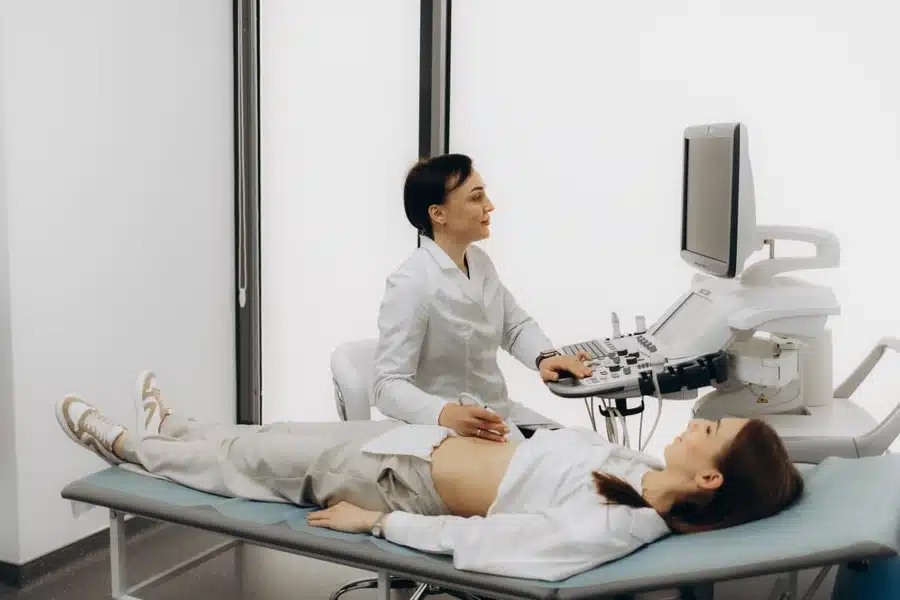
IVF Treatment for Patients from Akron, OH
For people in Akron, OH who are considering IVF Treatment, Pittsburgh Fertility offers a clear next step at its Pittsburgh, PA location. In vitro fertilization can help when pregnancy has not happened with less complex care, when a known fertility factor affects conception, or when a person or couple needs a pathway that fits their family-building circumstances. The process is personal, medically detailed, and easier to approach when you understand what happens before, during, and after a cycle.
Pittsburgh Fertility welcomes prospective patients from Ohio who want to discuss whether this approach makes sense for their goals. A first visit can clarify the information needed, the possible role of testing, and the decisions that may shape timing and treatment. Rather than assuming one route fits everyone, the care conversation should begin with your history, priorities, and questions.
How IVF Treatment works
In vitro fertilization is a multistep fertility treatment in which eggs are retrieved, fertilized with sperm in a laboratory, and allowed to develop into embryos before an embryo transfer is planned. It is not a single appointment or one-size-fits-all procedure. Each stage has a distinct purpose, and the timeline depends on medical recommendations and individual response to medication.
For a more complete overview of IVF Treatment, it helps to think of the process as coordinated ovarian stimulation, egg retrieval, fertilization, embryo development, and transfer planning. Some people use their own eggs and sperm, while others may consider donor sperm or other options based on their circumstances. A fertility team can explain which parts apply to your situation and what decisions need to be made before treatment begins.
From ovarian stimulation to egg retrieval
Medication is used to encourage multiple follicles to develop, with monitoring used to assess how the ovaries are responding. When follicles are mature, egg retrieval is performed in the office under light anesthesia using ultrasound guidance. Mild cramping can occur afterward, and the retrieved eggs are assessed for maturity before laboratory fertilization.
- Use prescribed medication to support follicle growth and egg maturation.
- Attend monitoring visits as directed so the care team can guide the cycle.
- Complete the egg retrieval procedure when the follicles are ready.
- Provide or arrange a sperm sample, then allow the laboratory process to proceed.
- Discuss embryo development, transfer timing, and next steps with the care team.
Fertilization, embryo development, and transfer decisions
After retrieval, eggs and prepared sperm are brought together in the laboratory. In some circumstances, intracytoplasmic sperm injection (ICSI) may be considered, a technique in which a single sperm is injected into an egg. Embryos are observed as they develop, and the care team discusses whether and when an embryo transfer may be appropriate.
IVF can be considered for several reasons, including blocked or damaged fallopian tubes, certain sperm-related factors, ovulatory concerns, unexplained infertility, or unsuccessful prior treatment. It may also be part of family-building for individuals and couples whose circumstances call for laboratory fertilization. Whether it is appropriate depends on a clinical evaluation, not on any one diagnosis alone.
Deciding whether this approach fits your family-building goals
Choosing in vitro fertilization involves more than deciding whether you want to pursue a procedure. You may be weighing prior pregnancy history, age-related considerations, test findings, emotional readiness, timing, and the practical demands of appointments and medication. A useful discussion makes room for both medical information and the concerns that matter to you personally.
- The reason IVF is being considered and whether other treatments remain reasonable.
- What monitoring, retrieval, laboratory fertilization, and embryo transfer involve.
- Whether donor sperm, embryo testing, or fertility preservation conversations are relevant.
- How to plan for appointments in Pittsburgh, PA if you are traveling from the Akron area.
- What financial questions to raise before beginning a cycle.
Why a personalized evaluation matters
A fertility consultation creates the starting point for an informed treatment decision. During this discussion, you can review relevant medical and reproductive history, prior testing or treatment, medications, and your hopes for building a family. It is also an appropriate time to ask what additional evaluation may be useful before moving forward.
A fertility treatment plan translates evaluation findings into a sequence of recommended next steps. The plan may address the treatment approach, monitoring needs, possible laboratory options, and questions to resolve before a cycle begins. Clear planning helps Akron, OH patients understand what is known, what remains uncertain, and what decisions are theirs to make.
When comparing an IVF clinic, look for clear explanations of the clinical process, communication about decisions, and a setting where you can raise practical and emotional concerns. It is reasonable to ask how the practice approaches monitoring, retrieval, fertilization, embryo transfer, and follow-up. You can also ask what records or test results to bring and how to prepare for visits at the Pittsburgh, PA location.
Options that may shape an IVF cycle
Not every IVF cycle looks the same. Clinical findings and personal goals can influence medication protocols, fertilization methods, transfer timing, and whether embryos are frozen for a later transfer. Understanding these choices in advance can reduce surprises and support more confident conversations with your care team.
IVF with genetic testing may be discussed when testing embryos before transfer is relevant to a patient’s circumstances. This process involves creating embryos through IVF, taking a small sample for testing at the appropriate developmental stage, and using the results as part of transfer planning. Testing has specific purposes and limitations, so patients should ask what information it may provide and whether it is appropriate for their goals.
It is also helpful to compare IVF with less complex fertility care when appropriate. Ovulation-induction medication or intrauterine insemination may be considered in some situations, while IVF may offer a more direct option when there are tubal factors, substantial sperm concerns, a need for embryo testing, or prior treatment has not succeeded. The right choice is based on individual findings and priorities, not a general promise of a particular outcome.
Preparing for the practical side of care
patient resources can make it easier to organize the details surrounding fertility care. Educational information, appointment preparation, and questions to discuss with the care team can help patients stay engaged throughout a process that includes several stages. For patients coming from Ohio, preparing records and discussing scheduling needs early can support a more organized experience.
financial resources are important to review before treatment because IVF includes several potential components, from medication and monitoring to retrieval, laboratory services, and transfer planning. Financial information can help you identify questions to ask about anticipated services and how costs are presented. Starting that conversation early allows more time to understand the practical commitment alongside the medical plan.
payment options can help prospective patients learn what avenues may be available when planning fertility care. Because individual circumstances and treatment recommendations differ, it is useful to ask which details affect the expected cost of a proposed cycle and when financial discussions should occur. A transparent conversation supports thoughtful planning without assuming that every patient will need the same services.
Plan your next step with Pittsburgh Fertility
For many people, the most helpful next action is to schedule a conversation rather than trying to decide everything at once. Bring questions about your history, previous fertility care, possible testing, the IVF timeline, and the appointments involved. Pittsburgh Fertility can help patients from Akron and elsewhere in OH begin a discussion about their options at the Pittsburgh, PA location.
If you are ready to explore IVF Treatment, request an appointment with Pittsburgh Fertility to discuss your family-building goals and the evaluation process. A consultation can provide the individual context that online research cannot, including what information may be needed before a recommendation is made. Request an appointment with Pittsburgh Fertility and take a considered next step toward care in Pittsburgh, PA.
Questions Akron patients often ask about IVF
What is IVF Treatment?
IVF Treatment is a process in which eggs are retrieved from the ovaries, fertilized with sperm in a laboratory, and developed into embryos. An embryo may then be transferred to the uterus based on the treatment plan. The process includes medication, monitoring, retrieval, laboratory work, and transfer planning.
Do I need to know that IVF is right for me before scheduling?
No. A consultation is designed to help determine whether IVF or another fertility approach may be appropriate. Bring prior records, test results, and questions if you have them, but you do not need to arrive with every decision made.
Can patients from Akron, OH receive care at Pittsburgh Fertility?
Yes. Pittsburgh Fertility is located in Pittsburgh, PA and can discuss fertility care with patients traveling from Akron, OH. When you contact the practice, ask about the appointments involved in evaluation and treatment so you can plan around the stages of care.
What should I ask before beginning an IVF cycle?
Ask why IVF is being recommended, what testing or records are needed, what the medication and monitoring process involves, and how retrieval and embryo transfer are planned. You may also want to discuss genetic testing, alternatives to IVF, financial considerations, and the questions that matter most to your family-building goals.