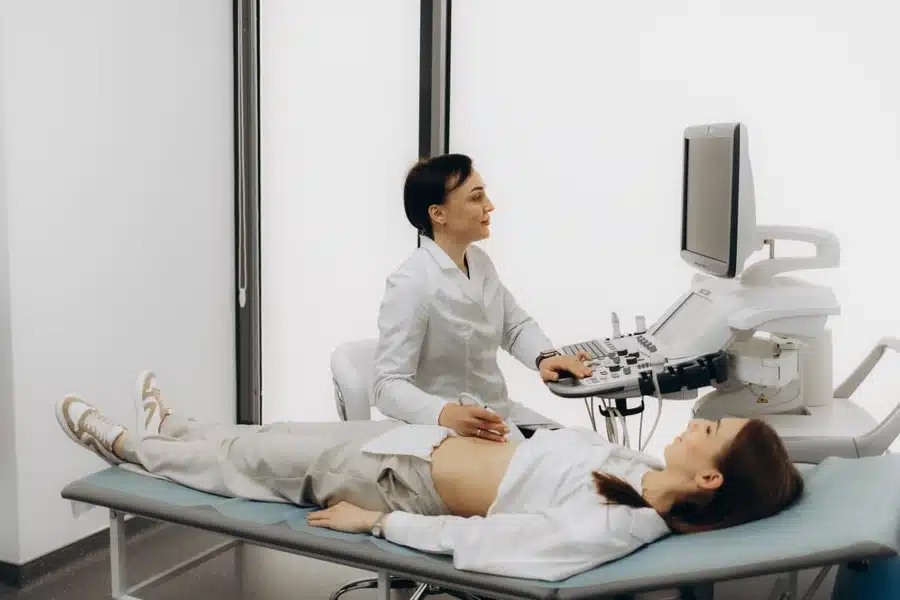
IVF Treatment for Patients from St. Marys, WV
For individuals and couples from St. Marys, WV who are considering in vitro fertilization, Pittsburgh Fertility provides a clear path to evaluation, treatment planning, and in-office IVF care in Pittsburgh, PA. IVF Treatment can address several causes of infertility and may also help people using donor sperm or eggs, pursuing fertility preservation, or considering genetic testing of embryos. The first step is understanding whether this treatment fits your medical history, goals, and timeline.
Pittsburgh Fertility is located in Pittsburgh, Pennsylvania, not St. Marys. Patients traveling from West Virginia can discuss their circumstances and appointment needs with the practice before moving forward, including which parts of the process require in-person visits and how to plan around monitoring, procedures, and embryo transfer. Thoughtful coordination can make a multi-step fertility journey feel more manageable.
How IVF Treatment works
IVF Treatment is a process in which eggs are retrieved from the ovaries, combined with sperm in a laboratory, and allowed to develop into embryos before an embryo is transferred to the uterus. It differs from treatments that rely on fertilization occurring inside the body, such as timed intercourse or intrauterine insemination. Because it involves several stages, IVF offers a detailed view of egg development, fertilization, and embryo growth.
Many patients seek IVF after trying to conceive without success, after unsuccessful lower-intensity treatment, or when a known fertility factor makes another route less likely to help. Common considerations can include blocked or absent fallopian tubes, ovulation concerns, sperm-related factors, endometriosis, diminished ovarian reserve, unexplained infertility, or the need to use donor reproductive cells. A consultation is essential because the appropriate option depends on the complete clinical picture, not a single diagnosis or age alone.
A step-by-step view of an IVF cycle
Although every protocol is individualized, an IVF cycle generally follows a defined sequence. Medications and appointments are timed carefully so the care team can assess response and determine when retrieval and transfer steps should occur. The process may include:
- Ovarian stimulation: Injectable medications encourage multiple follicles to grow, with monitoring used to follow development.
- Egg retrieval: When follicles are ready, eggs are collected during an in-office procedure performed with light anesthesia.
- Sperm preparation and fertilization: A semen sample from a partner or donor is prepared, then eggs and sperm are brought together in the laboratory. In some situations, intracytoplasmic sperm injection (ICSI) may be considered.
- Embryo development: Embryologists observe fertilization and development to identify embryos that may be suitable for transfer or freezing.
- Embryo transfer and follow-up: An embryo is placed in the uterus, followed by instructions and pregnancy testing at the appropriate time.
The term IVF Treatment describes more than a single procedure. It is a coordinated course of medication, monitoring, laboratory work, retrieval, embryo culture, and transfer planning. Some patients complete these steps in one continuous cycle, while others may need decisions about freezing embryos, timing a transfer, or additional testing along the way.
Making an informed choice about fertility care
A fertility evaluation helps identify the information needed before committing to a treatment cycle. Medical history, prior pregnancies, menstrual and ovulation patterns, semen parameters when relevant, and testing results can all affect the recommendation. Pittsburgh Fertility can use that discussion to explain what IVF may address, what it cannot predict, and which next steps are reasonable for your situation.
When an IVF clinic may be the right setting
An IVF clinic brings together the clinical and laboratory components required for egg retrieval, fertilization, embryo culture, and transfer. For patients from St. Marys, this can be especially important to discuss before treatment, since IVF involves more than one appointment and specific stages must be carefully timed. Ask which visits are required in Pittsburgh, PA, what preparation is needed before each visit, and how the practice communicates instructions and results.
IVF may be a more direct option than ovulation induction or IUI for some diagnoses, but it is not automatically the first choice for everyone. Lower-intensity care can be appropriate in certain circumstances, while IVF may offer more control over fertilization and embryo handling when particular factors are present. A good decision balances medical recommendations, personal preferences, treatment burden, timing, and cost considerations.
Questions worth considering before you begin
Before choosing a fertility provider, it can help to prepare questions that make the process concrete. Clear answers can reduce uncertainty and help you compare recommendations without relying on broad promises. Consider asking about:
- Which findings in my evaluation support IVF rather than another treatment?
- What medications, monitoring, and in-person procedures are typically involved?
- Could ICSI, donor sperm, donor eggs, embryo freezing, or genetic testing be relevant to my plan?
- What decisions may need to be made before retrieval or before embryo transfer?
- How are fees, payment timing, and available financial information explained?
- How should a patient traveling from West Virginia prepare for required appointments?
It is also reasonable to ask what happens if an initial cycle does not produce the hoped-for result. Fertility care often involves decisions made as new information becomes available, such as the number of mature eggs retrieved, fertilization results, embryo development, and whether a fresh or frozen transfer is appropriate. A transparent conversation about contingencies helps patients set realistic expectations while preserving options.
Personalizing the path from St. Marys to Pittsburgh Fertility
A fertility consultation is the place to turn broad questions about conception into a focused medical conversation. During this visit, patients can share their history, previous testing or treatments, family-building goals, and concerns about the IVF process. Bringing relevant records and a list of questions can help make the discussion more productive, particularly for people traveling from St. Marys, WV.
Your fertility treatment plan should reflect the findings of your evaluation and the decisions that matter to you. It may outline recommended testing, medications, monitoring, retrieval, laboratory fertilization, transfer timing, and any options that warrant additional consideration. A personalized plan also gives you a practical framework for understanding what comes next rather than treating every IVF journey as identical.
Considering IVF with genetic testing
IVF with genetic testing refers to IVF combined with testing performed on embryos before transfer in appropriate situations. This option may be discussed for specific genetic concerns or other individualized reasons, but it is not a universal requirement for every patient. A fertility specialist can explain the purpose, limitations, timing, and potential tradeoffs of preimplantation genetic testing in the context of your own history.
Patients sometimes assume that testing guarantees pregnancy or ensures that every embryo will be suitable for transfer. It does not provide a guarantee, and the decision involves medical, emotional, financial, and timing considerations. Asking how testing could change embryo-selection decisions can help you determine whether it aligns with your goals.
Planning for practical and financial questions
Fertility treatment can feel financially complex because a cycle involves multiple components, from medications and monitoring through retrieval, laboratory services, and transfer. Pittsburgh Fertility’s financial resources can help patients review information that supports informed planning before starting care. Taking time to understand anticipated expenses and questions to raise early can make treatment decisions less stressful.
Reviewing payment options is a practical part of preparing for IVF, not an afterthought. Patients should seek clarity about the timing of charges, what may be separate from a treatment cycle, and what questions to ask regarding coverage or financing arrangements. Financial conversations are easier when they occur alongside medical planning, before deadlines or treatment decisions create added pressure.
Pittsburgh Fertility’s patient resources can provide useful information as you prepare for appointments and navigate fertility care. Educational materials can help you organize questions, understand terminology, and involve a partner or support person in decisions. Reliable information does not replace individualized medical guidance, but it can help you arrive ready for a more meaningful conversation.
Traveling for specialized reproductive care requires practical forethought, but patients do not need to have every decision settled before reaching out. When scheduling, explain that you are coming from West Virginia and ask about the anticipated sequence of appointments for the recommended approach. Pittsburgh Fertility can help begin the appointment conversation while you focus on gathering records, considering support needs, and making room in your schedule for the process.
Frequently asked questions
What is IVF Treatment?
IVF Treatment is a fertility process in which medications stimulate egg development, eggs are retrieved, sperm fertilizes eggs in a laboratory, and an embryo may later be transferred to the uterus. It can be considered for several infertility diagnoses, prior treatment outcomes, donor-assisted family building, or certain genetic concerns.
Do patients from St. Marys, WV need to receive IVF care in Pittsburgh?
Pittsburgh Fertility is located in Pittsburgh, PA, and does not claim an office in St. Marys. Because IVF includes time-sensitive monitoring and procedures, patients from St. Marys should discuss the expected appointment schedule, in-person requirements, and planning considerations directly with the practice before beginning treatment.
Is IVF always the first fertility treatment to try?
No. The appropriate starting point depends on diagnostic findings, age-related considerations, reproductive history, sperm factors, tubal status, ovulation, and personal goals. Some patients may be candidates for less intensive approaches first, while others may benefit from discussing IVF earlier in their care.
Can genetic testing be added to an IVF cycle?
It may be an option for some patients. Genetic testing is performed on embryos before transfer and may be considered for individualized medical or family-building reasons. A consultation can clarify its purpose, limitations, added steps, and whether it is relevant to your treatment plan.
Take the next step toward a personalized plan
If you are exploring IVF Treatment from St. Marys, WV, Pittsburgh Fertility can help you begin with a conversation centered on your history, questions, and family-building priorities. Request an appointment to discuss fertility evaluation, IVF options, and the practical details of receiving care in Pittsburgh, PA. Starting with a clear consultation can turn an uncertain next step into an informed plan.
Request an appointment with Pittsburgh Fertility to discuss your options and prepare for the next stage of care.