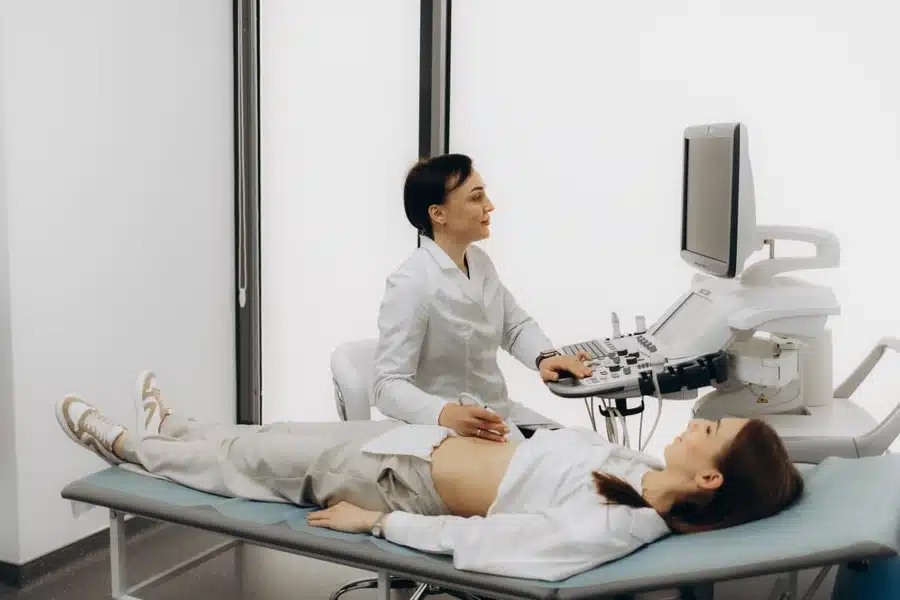
IVF Treatment for Patients from Uhrichsville, OH
For people from Uhrichsville, OH who are considering in vitro fertilization, Pittsburgh Fertility offers a clear path to discuss the medical, emotional, and practical parts of care. Pittsburgh Fertility is located in Pittsburgh, PA, and welcomes patients who are exploring advanced fertility care and want a thoughtful understanding of what IVF may involve. The first step is not committing to a cycle, but learning whether this approach fits your diagnosis, goals, and timeline.
IVF Treatment can help when pregnancy has not occurred with less invasive care, when fallopian tube factors or ovulation concerns are present, when sperm factors affect fertilization, or when an individual or couple needs a different route to build a family. It can also be considered for people using donor eggs, donor sperm, or embryos. Because every reproductive history is different, a personalized discussion is more useful than assuming one treatment is right for everyone.
What IVF treatment can address
In vitro fertilization is a multi-step fertility process that brings eggs and sperm together in a laboratory, allowing resulting embryos to be evaluated before an embryo transfer to the uterus. IVF is often discussed after testing identifies a barrier to conception or after prior treatment has not led to pregnancy. It is a more involved option than timed intercourse or intrauterine insemination, but it also gives the care team and patient more information and control at several stages.
For many patients from Uhrichsville and elsewhere in Ohio, the value of IVF care is the ability to address several factors within one coordinated process. Medication encourages multiple follicles to mature, egg retrieval collects mature eggs, and embryology work supports fertilization and embryo development. The process is individualized, so medication choices, monitoring, fertilization methods, and transfer planning should reflect the patient’s clinical situation.
When a more advanced approach may be worth discussing
IVF may be appropriate for a range of circumstances, but it is not automatically the first fertility option. A fertility professional can help weigh expected benefits, treatment burden, prior results, and whether another approach should be considered first. Common reasons to ask about IVF include:
- Blocked or damaged fallopian tubes
- Ovulation disorders or diminished ovarian reserve
- Male-factor infertility or prior fertilization concerns
- Unexplained infertility after appropriate evaluation
- A need to use donor sperm, donor eggs, or donated embryos
- A desire to consider embryo genetic testing in an appropriate clinical setting
Age, ovarian reserve, semen parameters, uterine health, medical history, and family-building goals can all influence the recommendation. No treatment can promise a particular outcome, and IVF is not a guarantee of pregnancy. A productive conversation focuses on the options available, the uncertainties involved, and the steps that make sense before moving forward.
Understanding the IVF process before you begin
IVF Treatment generally includes ovarian stimulation, egg retrieval, sperm preparation, fertilization, embryo culture, and embryo transfer. Not every decision is made on day one, since some next steps depend on how the ovaries respond and how embryos develop. At an IVF clinic, patients should expect to review the sequence of care, likely monitoring needs, consent considerations, and the questions that matter most to their family-building plans.
From stimulation through embryo transfer
The treatment cycle begins with medications designed to stimulate the ovaries so multiple follicles can develop. Monitoring visits typically use ultrasound and hormone testing to assess response and guide timing. When follicles are ready, an egg retrieval is performed using ultrasound guidance; mild cramping can occur afterward, and patients should follow their care team’s recovery instructions.
- Ovarian stimulation: Fertility medications support the growth of mature eggs.
- Monitoring and timing: The care team follows follicle development and determines when to trigger final maturation.
- Egg retrieval: Eggs are collected in an office procedure performed with light anesthesia.
- Fertilization and culture: Eggs are assessed for maturity, sperm is prepared, and embryos are observed as they develop.
- Transfer planning: An embryo may be transferred to the uterus at the appropriate time, or embryos may be frozen for later use when indicated.
If a male partner is providing sperm, a semen sample is collected and prepared to isolate mobile sperm. Donor sperm may be used when that is part of the treatment plan. In some situations, intracytoplasmic sperm injection, often called ICSI, may be discussed as a method of placing a single sperm into an egg to support fertilization.
Fresh transfer, frozen transfer, and individualized decisions
One important decision is whether an embryo transfer may occur in the same treatment cycle or whether embryos should be frozen for a future transfer. The appropriate choice depends on clinical factors, embryo development, medication response, testing decisions, and the care team’s recommendations. Asking why one approach is advised can help patients understand how the timing supports their particular treatment goals.
IVF with genetic testing may be discussed for patients who want information about embryos before transfer or who have specific clinical or family-history considerations. Preimplantation genetic testing is a distinct step that involves embryo biopsy and laboratory analysis, and it is not necessary or appropriate for every patient. A consultation can clarify what testing can assess, what it cannot predict, and how results could affect embryo-transfer planning.
Build a plan around your health, goals, and practical needs
A thorough fertility consultation gives prospective patients an opportunity to review reproductive history, prior pregnancies, previous treatments, medications, and any available testing. It is also the right setting to discuss concerns about injections, procedures, embryo disposition, donor options, or timing. For patients traveling from Uhrichsville, OH, an early conversation can help clarify which elements of care require in-person visits and what questions to raise while planning.
A personalized fertility treatment plan should explain why IVF is being considered and how each stage relates to the patient’s circumstances. The plan may include additional diagnostic evaluation, recommendations for medication and monitoring, fertilization details, and a discussion of transfer timing. Clear planning helps patients compare IVF with alternatives such as ovulation induction or intrauterine insemination when those options remain clinically reasonable.
Choosing a fertility provider involves more than selecting a treatment name. Patients may want to ask how the clinic approaches monitoring, who will explain medication instructions, what happens if a cycle changes course, and how embryo-transfer decisions are made. It is also reasonable to ask for plain-language explanations of risks, expected appointments, required consents, and the anticipated financial responsibilities before beginning care.
Prepare for the financial and emotional sides of care
Fertility care can carry substantial practical considerations alongside the medical process. Pittsburgh Fertility provides financial resources that can help patients identify information to review as they prepare for treatment. Taking time to understand estimated expenses, medication-related costs, insurance questions, and potential additional services can make conversations about care more productive.
Reviewing available payment options before a cycle begins can help patients ask informed questions about how treatment expenses may be handled. Financial decisions are personal, and the total cost can vary based on the services included in an individual plan. Patients should seek direct clarification about the expenses relevant to their recommended course of care rather than relying on general assumptions.
Pittsburgh Fertility also offers patient resources to support patients as they learn about fertility care and prepare for appointments. Educational information can make unfamiliar terms, procedures, and decisions easier to discuss with a care team. Bringing notes, a medication list, prior records when available, and a list of priorities can help patients use each visit effectively.
The emotional demands of fertility treatment deserve attention as well. It can be helpful to identify a support person, decide how much to share with family or friends, and allow room for changing feelings throughout the process. A care conversation should leave patients with a realistic understanding of both the potential benefits and the uncertainty that can accompany assisted reproductive treatment.
Why patients from Uhrichsville may consider Pittsburgh Fertility
Pittsburgh Fertility provides IVF care in Pittsburgh, PA for individuals and couples from Uhrichsville, Ohio who are seeking a detailed discussion of advanced fertility treatment. The practice’s IVF process includes medication-based ovarian stimulation, retrieval under light anesthesia, sperm preparation, embryology assessment, and embryo transfer planning. This coordinated sequence allows patients to understand what is happening at each stage instead of viewing IVF as a single procedure.
For patients considering care outside their immediate area, planning is an important part of the decision. Ask which appointments are expected during evaluation and treatment, how medication teaching is handled, and what information should be available before the first visit. Pittsburgh Fertility can help prospective patients begin the appointment process and discuss care in Pittsburgh, PA without implying that there is an office in Uhrichsville.
Questions patients often ask about IVF
What is IVF Treatment?
IVF Treatment is a fertility process in which eggs are stimulated and retrieved, combined with sperm in a laboratory, and allowed to develop into embryos. An embryo may then be transferred to the uterus at the appropriate time. The process is individualized based on medical findings and family-building goals.
Do I need IVF before trying other fertility treatments?
No. Some patients may first be candidates for ovulation induction, timed intercourse, or intrauterine insemination, depending on the cause of infertility and other clinical factors. Others may benefit from discussing IVF sooner. A fertility evaluation helps determine which options are reasonable for your situation.
How should I prepare for an IVF consultation if I am coming from Uhrichsville, OH?
Gather prior fertility records, pregnancy history, medication information, and questions about diagnosis, treatment timing, travel-related appointment planning, and costs. You can also ask which testing may be needed before treatment. Pittsburgh Fertility is located in Pittsburgh, PA, not Uhrichsville.
Can genetic testing be part of an IVF cycle?
It can be considered in some circumstances. Genetic testing of embryos is a separate decision from IVF itself and may be relevant based on clinical history, family history, or personal goals. Your care team can explain the potential role, limits, timing, and implications of testing for your treatment plan.
Take the next step toward informed fertility care
If you are from Uhrichsville, OH and want to understand whether IVF is an appropriate next step, schedule an appointment with Pittsburgh Fertility in Pittsburgh, PA. A conversation can help you review your history, discuss the IVF process, and identify the questions that matter before making a treatment decision. Request an appointment with Pittsburgh Fertility to begin discussing your options.