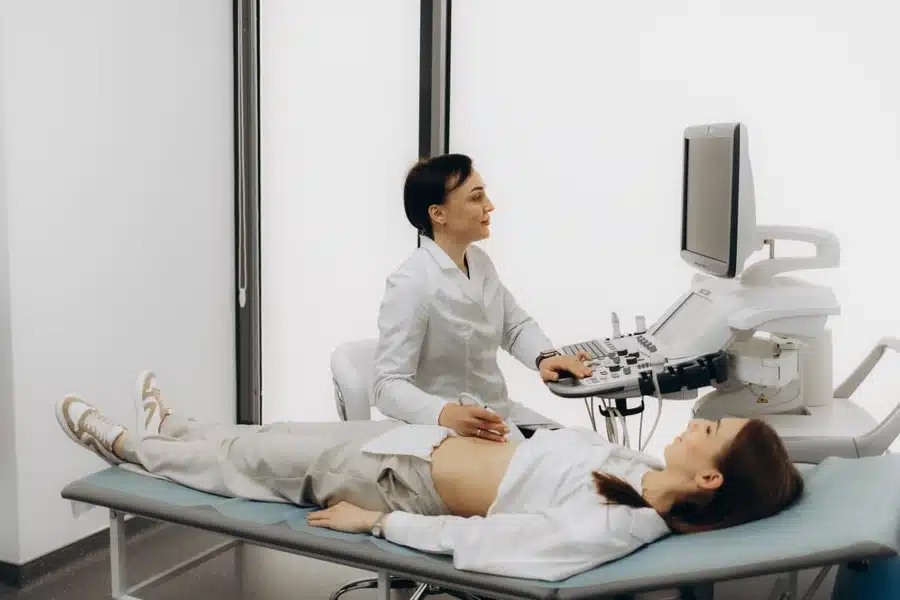
IVF Treatment for Patients from Tallmadge, OH
People exploring fertility care from Tallmadge, OH, may be looking for more than a definition of in vitro fertilization. They need a clear path for understanding whether this option fits their circumstances, what the process requires, and how to begin. Pittsburgh Fertility is located in Pittsburgh, PA, and offers a structured setting in which patients can discuss assisted reproductive care, questions, and next steps.
IVF Treatment combines eggs and sperm in a laboratory so that resulting embryos may be considered for transfer to the uterus. It can be an important option when pregnancy has not occurred with less complex care, when fallopian tube factors are present, when sperm factors affect fertilization, or when patients need particular reproductive planning options. An individualized evaluation is essential because no single treatment path is right for every person or family.
What IVF treatment involves
In vitro fertilization is a multi-stage process rather than a single appointment. The exact timing, medication plan, laboratory steps, and transfer approach depend on medical findings and personal goals. Pittsburgh Fertility can help patients from Ohio understand the sequence before they commit to treatment.
From ovarian stimulation through embryo transfer
A typical cycle begins with medications that encourage multiple follicles to develop, followed by monitoring to assess the response. When follicles are ready, eggs are retrieved during an in-office procedure performed with light anesthesia. A sperm sample from a partner or donor may then be prepared for fertilization, and the embryology team assesses the resulting embryos before the next appropriate step.
- Planning and testing: Review health history, prior fertility care, menstrual or reproductive history, and diagnostic information.
- Stimulation and monitoring: Use prescribed medications and scheduled assessments to guide egg maturation.
- Egg retrieval and fertilization: Retrieve mature eggs, prepare sperm, and perform laboratory fertilization.
- Embryo development: Observe embryo development and discuss transfer or preservation decisions based on the care plan.
- Transfer and follow-up: Place an embryo into the uterus when clinically appropriate and follow the care team’s instructions afterward.
Many people use the term IVF Treatment (IVF) to describe the full process, but the details can vary significantly. For example, some cycles may use intracytoplasmic sperm injection (ICSI), a laboratory technique that places a sperm directly into an egg, while others may not need it. A consultation is the appropriate place to ask why a recommended step is included and what alternatives may be reasonable.
Who may consider this approach
IVF may be considered for individuals or couples with blocked or damaged fallopian tubes, certain ovulation concerns, endometriosis-related infertility, sperm-related factors, unexplained infertility, or prior unsuccessful treatment. It can also support some people using donor eggs, donor sperm, or embryos. A clinician should review age, ovarian reserve, uterine factors, semen parameters, medical history, and prior outcomes rather than relying on a diagnosis alone.
An IVF clinic should make the clinical pathway understandable, including what occurs in the office and what occurs in the embryology laboratory. When comparing providers, ask how monitoring, retrieval, fertilization methods, embryo transfer, medication instructions, and follow-up communication are coordinated. Clear answers help patients assess whether a practice’s process aligns with their practical needs and their comfort with each decision.
Making an informed decision before starting care
Choosing fertility treatment often involves medical, emotional, scheduling, and financial considerations at the same time. Patients from Tallmadge, OH, can benefit from writing down their priorities before an initial visit, such as whether they want to discuss diagnostic clarification, donor options, embryo testing, or the implications of a previous cycle. A thoughtful discussion can turn a broad goal of pregnancy into a plan with understandable milestones.
Start with a complete fertility conversation
A fertility consultation is an opportunity to review the information that matters before selecting treatment. It can include a discussion of your history, prior testing or treatment, current concerns, and family-building goals, while allowing the clinician to explain which evaluations may be useful. Bringing records when available and preparing a concise list of medications, diagnoses, and questions can make the conversation more productive.
After evaluation, a fertility treatment plan puts recommendations into an organized sequence. A useful plan identifies the proposed treatment, expected appointments or procedures, medications to discuss, and decision points that could change the approach. It should also leave room for informed consent, because patients may need time to weigh benefits, limits, costs, and personal preferences.
- What findings make IVF a reasonable option in my situation?
- Are other approaches, such as ovulation induction or intrauterine insemination, appropriate to discuss first?
- Which parts of the cycle require in-person appointments in Pittsburgh, PA?
- Could ICSI, donor gametes, embryo freezing, or genetic testing be relevant to my plan?
- What instructions should I follow before retrieval, transfer, and the period afterward?
For some patients, less intensive care may be appropriate before in vitro fertilization. Ovulation induction can support ovulation when it is irregular, and intrauterine insemination may be considered in selected circumstances. IVF can offer greater laboratory control over fertilization and embryo development, but it also involves medications, monitoring, retrieval, and more complex decisions, so a clinician’s recommendation should be grounded in the patient’s specific evaluation.
When genetic testing enters the discussion
IVF with genetic testing refers to a process in which embryos are biopsied and tested before a possible transfer. This may be discussed when a patient has a known genetic concern or when embryo chromosome information is relevant to a clinician’s recommendation. Testing has limits and does not guarantee pregnancy or a healthy birth, so patients should ask what a proposed test can and cannot tell them.
Embryo testing is not automatically necessary for every IVF cycle. The decision may involve the reason for treatment, reproductive history, embryo availability, and the kind of information a patient hopes to obtain. Pittsburgh Fertility can explain the testing conversation in the context of an individualized plan, including how a testing decision may affect timing and next steps.
Practical preparation for patients traveling from Ohio
Pittsburgh Fertility serves patients at its Pittsburgh, PA location. For people coming from Tallmadge or elsewhere in Ohio, it is sensible to discuss the anticipated appointment pattern early, especially because IVF includes time-sensitive monitoring and procedures. The practice can help clarify the appointments involved in the recommended care, while patients can plan their own travel and support arrangements around that information.
Emotional preparation matters alongside scheduling. Medication routines, waiting for laboratory updates, and making choices about embryos can feel demanding even when patients feel confident about their decision. Consider identifying a support person, asking how results will be communicated, and sharing any worries about procedures or medication use with the care team rather than carrying those questions alone.
Understanding costs, coverage, and planning tools
Pittsburgh Fertility’s financial resources can help patients identify information to review as they prepare for fertility care. Financial planning for IVF may involve professional services, medications, laboratory work, procedures, storage, and optional services, depending on the recommended pathway. Ask for clarification about what is included in any estimate and which parts of care may be billed separately.
Reviewing available payment options before a cycle begins can make the process easier to navigate. Patients may wish to ask about timing of payments, documentation needed for insurance submissions, and how medication expenses are handled. The right questions are practical, not pessimistic, because a clear financial picture supports informed treatment decisions.
The practice’s patient resources can provide a useful starting point for organizing questions and reviewing fertility-related information. Educational materials do not replace personal medical advice, but they can make it easier to understand terminology before a visit. Patients should bring remaining questions to their consultation so recommendations can be tied to their own history and goals.
Questions patients commonly ask about IVF
How long does IVF Treatment take?
The timeline varies because medication response, monitoring needs, retrieval timing, embryo development, testing decisions, and transfer planning are individualized. IVF is a multi-step process, so Pittsburgh Fertility can explain the expected sequence for your recommended plan after reviewing your history and evaluation.
Does IVF always use a partner’s sperm?
No. Fertilization may use sperm from a partner or donor, depending on the patient’s treatment plan and family-building goals. The care team can explain the relevant screening, preparation, consent, and laboratory steps for the option being considered.
Can someone from Tallmadge, OH schedule care with Pittsburgh Fertility?
Patients from Tallmadge, OH, who are considering fertility care can request an appointment with Pittsburgh Fertility in Pittsburgh, PA. During scheduling and consultation, ask about the anticipated in-person visits for your proposed treatment and raise any planning concerns connected to traveling from Ohio.
Is IVF with embryo testing a guarantee of success?
No. Genetic testing can provide specific information about embryos in appropriate circumstances, but it cannot guarantee implantation, pregnancy, or a healthy birth. A clinician can explain whether testing is relevant to your situation, its limitations, and how results may inform transfer planning.
Take the next step with Pittsburgh Fertility
If you are considering IVF Treatment and want clear, individualized guidance, begin by discussing your history and goals with Pittsburgh Fertility. An appointment can help you understand whether IVF, another fertility option, or further evaluation may be appropriate. Request an appointment to discuss care at Pittsburgh Fertility in Pittsburgh, PA, and move forward with a plan built around your questions.
Request an appointment with Pittsburgh Fertility to start the conversation about fertility care.