IVF Treatment for Patients from St. Clairsville, OH
When pregnancy has not happened as expected, choosing a path forward can feel both urgent and deeply personal. Pittsburgh Fertility provides IVF Treatment in Pittsburgh, PA, for individuals and couples traveling from St. Clairsville, OH and surrounding Ohio communities. The practice offers a structured way to evaluate your circumstances, discuss options, and decide whether in vitro fertilization fits your family-building goals.
IVF is not a single appointment or a one-size-fits-all recommendation. It is a multi-step assisted reproductive treatment that combines eggs and sperm in a laboratory, monitors embryo development, and transfers an embryo to the uterus when appropriate. Pittsburgh Fertility can help you understand the timing, decisions, and questions involved before you commit to a cycle.
When IVF May Be Part of the Right Next Step
In vitro fertilization may be considered when other approaches are unlikely to address the source of infertility or have not resulted in pregnancy. It can also be relevant for people using donor sperm, donor eggs, or embryos, as well as some patients who want to consider embryo testing. The appropriate path depends on medical history, diagnostic findings, age-related considerations, reproductive goals, and personal preferences.
- Blocked or damaged fallopian tubes, or prior tubal surgery
- Ovulatory conditions that have not responded to simpler treatment approaches
- Male-factor infertility that may affect fertilization
- Unexplained infertility after an individualized evaluation
- A need to use donated reproductive material or pursue embryo genetic testing
- Family-building situations in which laboratory fertilization may provide a practical option
For some people, timed intercourse, ovulation induction, or intrauterine insemination may be reasonable earlier options. IVF treatment generally involves more medication, monitoring, laboratory work, and financial planning than these approaches, but it can give clinicians more information and control over egg retrieval, fertilization, and embryo development. A consultation is the best place to weigh those tradeoffs against your specific circumstances.
Start with a clear fertility consultation
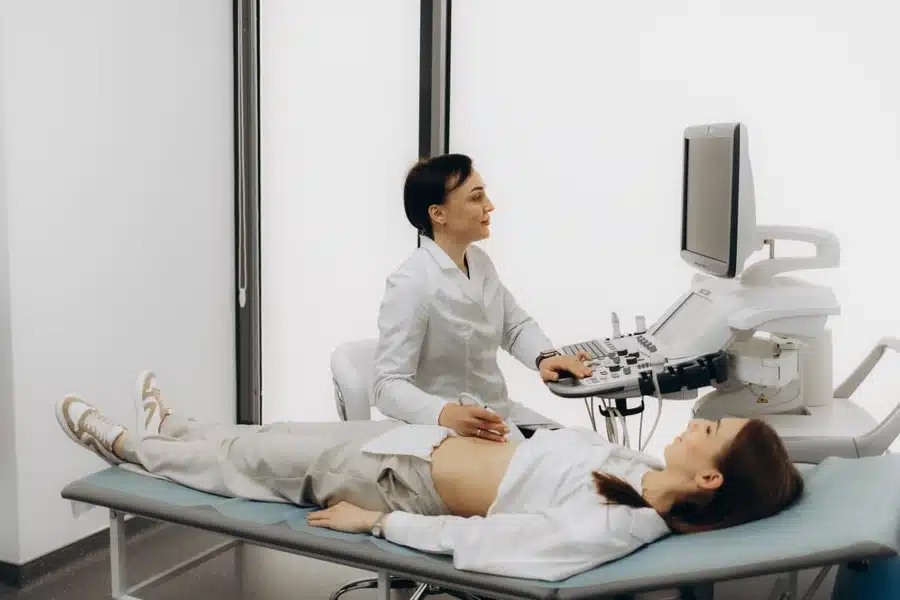
A fertility consultation gives you a dedicated opportunity to review your reproductive history, prior testing or treatment, and hopes for treatment. Bring records when available, including prior laboratory results, imaging, pregnancy history, or semen analysis, so the discussion can be as informed as possible. This visit should help clarify what additional evaluation may be useful and whether IVF is a reasonable option to discuss further.
For prospective patients from St. Clairsville and elsewhere in Ohio, an early conversation can also make the process feel more manageable. Ask which appointments require in-person attendance, how monitoring and procedures are typically scheduled, and what preparation is needed before a cycle. Pittsburgh Fertility is located in Pittsburgh, PA, not St. Clairsville, so confirming practical expectations before scheduling is especially valuable.
How the IVF Process Typically Works
IVF follows a sequence designed to obtain mature eggs, fertilize them in a laboratory, and prepare for embryo transfer. The calendar and medications vary by patient, and no two cycles are exactly alike. Pittsburgh Fertility can explain how each stage applies to your recommended care rather than asking you to navigate the process from a generic timeline.
- Ovarian stimulation: Injectable or other fertility medications encourage multiple follicles to develop. Monitoring helps the care team follow follicle growth and determine when the eggs are ready for retrieval.
- Egg retrieval: Eggs are collected in an office procedure using ultrasound guidance, typically with light anesthesia. Mild cramping afterward can occur, and the embryology team evaluates retrieved eggs for maturity.
- Sperm preparation and fertilization: A semen sample from a partner or donor is prepared to isolate motile sperm. Depending on the circumstances, fertilization may involve conventional insemination or intracytoplasmic sperm injection (ICSI).
- Embryo development: The laboratory observes fertilized eggs as embryos develop. The care team discusses which embryos may be appropriate for transfer, freezing, or possible testing.
- Embryo transfer and follow-up: An embryo is placed into the uterus in a separate procedure. Follow-up testing determines whether pregnancy has occurred.
It is important to separate the steps of the process from promises about results. Embryo number, embryo development, transfer timing, and the likelihood of pregnancy can vary substantially based on individual factors. A responsible IVF conversation includes both potential benefits and the emotional, physical, scheduling, and financial realities of treatment.
What an IVF clinic should help you understand
Choosing an IVF clinic involves more than finding a practice that offers egg retrieval and embryo transfer. Patients should receive understandable information about the stages of care, the purpose of recommended medications and procedures, and the decisions that may arise if there are fewer eggs or embryos than hoped. It is also reasonable to ask how the practice communicates instructions, results, and changes to the treatment calendar.
Pittsburgh Fertility offers IVF care in Pittsburgh, PA for people considering travel from St. Clairsville, OH. Before choosing a provider, consider whether the practice explains your options in plain language, respects your values around embryos and testing, and gives you a realistic picture of appointment planning. Clear expectations can reduce avoidable stress when treatment requires coordination across multiple visits.
IVF, ICSI, and embryo testing are separate decisions
IVF refers broadly to fertilization and early embryo development outside the body, followed by transfer of an embryo to the uterus. ICSI is a laboratory method in which an embryologist injects a single sperm into an egg, while conventional insemination allows sperm and egg to interact in the laboratory dish. Neither term automatically determines whether genetic testing is used, and the right laboratory approach depends on the clinical situation.
IVF with genetic testing may be discussed when patients want information about certain genetic or chromosomal characteristics of embryos before transfer. Testing requires additional steps and does not guarantee pregnancy or eliminate every possible genetic concern. A clinician can explain what a particular test can assess, its limitations, and whether it is relevant to your history and goals.
Build a Treatment Plan That Reflects Your Priorities
A personalized fertility treatment plan organizes recommendations after your consultation and any needed diagnostic workup. It may address medication protocols, monitoring, retrieval, fertilization methods, embryo transfer, and whether to consider freezing or testing embryos. The plan should also leave room for informed choices, because preferences about timing, donor options, and embryo disposition are important parts of fertility care.
Patients often find it helpful to write down questions before meeting with a fertility provider. Consider asking what testing is recommended before treatment, why IVF is being suggested instead of another option, what may affect the cycle calendar, and what decisions may be needed before egg retrieval. You can also ask how the team will communicate with you if results call for a change in the plan.
- What medical findings make IVF appropriate in my situation?
- Which steps are expected to occur in person in Pittsburgh?
- What medications, monitoring, and recovery considerations should I anticipate?
- Could ICSI, donor material, freezing, or genetic testing be relevant?
- What costs should I plan for beyond the core cycle?
Prepare for the financial side without assumptions
Pittsburgh Fertility’s financial resources can help patients begin organizing questions about the cost of fertility care. IVF may involve separate components, such as medications, monitoring, procedures, laboratory services, embryo storage, or testing, depending on the plan. Reviewing financial information early supports more confident decision-making and helps you identify topics to discuss with the practice and your insurer.
Available payment options are an important part of comparing a treatment path with your household budget. Ask for clarification about what a quoted service includes, which charges may vary with your treatment decisions, and whether insurance benefits might apply. Do not assume coverage or a final cost without speaking directly with the appropriate financial and insurance contacts.
Helpful patient resources can make a complex process easier to follow between appointments. Educational materials can help you prepare for consultations, understand commonly used fertility terms, and keep track of questions as plans evolve. Using reliable practice-provided information is particularly useful when you are considering care away from home in Ohio.
Plan Your Next Conversation with Pittsburgh Fertility
IVF can offer a path forward, but it also asks a great deal of patients emotionally and practically. The most useful first step is not to assume that one treatment suits everyone, but to obtain an individualized assessment and clear answers. Pittsburgh Fertility can discuss IVF care in Pittsburgh, PA with prospective patients from St. Clairsville, OH and help you understand whether this treatment belongs in your next-step plan.
Request an appointment to begin with informed, personal guidance. Bring your questions, your prior records if available, and the priorities that matter most to you. A conversation with Pittsburgh Fertility can help turn uncertainty into a more organized decision about fertility care.
Request an appointment with Pittsburgh Fertility in Pittsburgh, PA to discuss IVF treatment and the next appropriate steps for your family-building goals.
Questions About IVF Treatment
Is IVF the same as fertility treatment?
IVF is one type of fertility treatment, not a catch-all term for every option. Fertility care can include diagnostic testing, medication to support ovulation, intrauterine insemination, fertility preservation, donor options, and IVF. A consultation helps determine which approach is appropriate for your history and goals.
How long does an IVF cycle take?
An IVF cycle includes preparation, ovarian stimulation and monitoring, egg retrieval, fertilization, embryo development, and embryo transfer or freezing. The exact timeline varies with the medication protocol, response to stimulation, testing choices, and whether transfer occurs in the same cycle or later. Pittsburgh Fertility can outline an expected calendar for your situation.
Do I need to travel to St. Clairsville for IVF care with Pittsburgh Fertility?
No. Pittsburgh Fertility is located in Pittsburgh, PA and serves patients who may travel from St. Clairsville, OH. Ask the practice which parts of consultation, monitoring, retrieval, and transfer require in-person visits so you can make decisions with clear scheduling expectations.
What should I bring to my first fertility appointment?
Bring prior fertility records if you have them, including laboratory work, imaging, semen analysis, treatment summaries, and relevant pregnancy history. A written list of medications, health conditions, questions, and family-building priorities can also help make the consultation more productive.