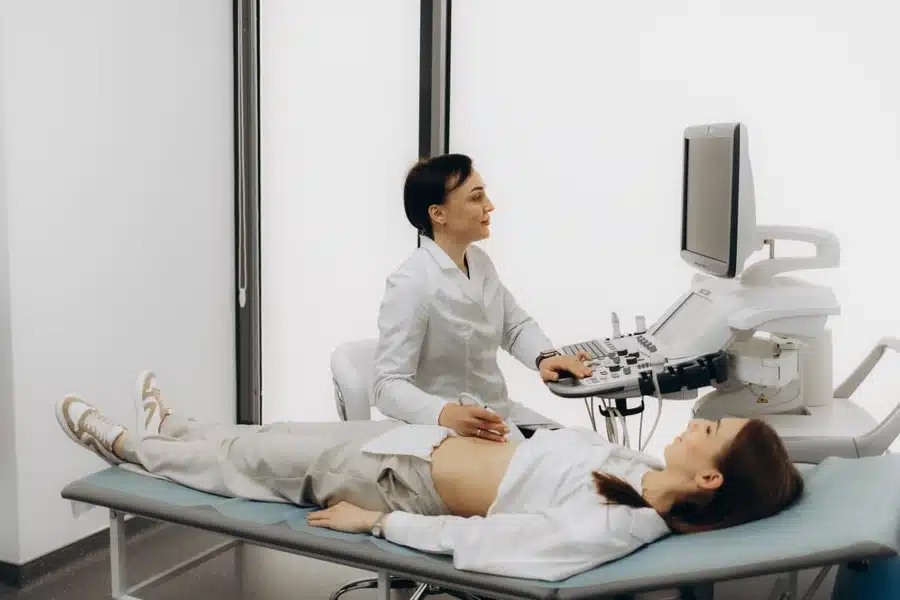
IVF Treatment for Patients from Cuyahoga Falls, OH
For individuals and couples in Cuyahoga Falls, OH, IVF treatment can offer a structured path forward when pregnancy has not happened as expected, when a known fertility factor is present, or when family-building requires donor eggs, donor sperm, or embryos. Pittsburgh Fertility is located in Pittsburgh, PA, and welcomes patients who are considering care outside their immediate area. The first step is understanding whether in vitro fertilization fits your circumstances and what the process would involve for you.
IVF is not a single appointment or a one-size-fits-all solution. It is a coordinated reproductive treatment that combines ovarian stimulation, egg retrieval, laboratory fertilization, embryo development, and embryo transfer when appropriate. Pittsburgh Fertility can help prospective patients from Ohio begin with a conversation about their history, goals, questions, and the decisions that may shape care.
What IVF treatment can address
IVF treatment is a process in which eggs are retrieved from the ovaries, fertilized with sperm in a laboratory, and allowed to develop into embryos before an embryo transfer to the uterus. It may be considered after unsuccessful lower-intensity treatment, when fallopian tube factors affect fertilization, when sperm-related factors are involved, or when other aspects of a patient’s reproductive history make it a reasonable option. The right approach depends on individual medical information, not a checklist alone.
For a clear overview of the treatment’s stages and considerations, patients can review IVF Treatment information while preparing for a discussion with Pittsburgh Fertility. This assisted reproductive technology allows eggs, sperm, and embryos to be evaluated at several points in the process. That additional visibility can be useful, but it does not eliminate uncertainty or guarantee a particular result.
When in vitro fertilization may be considered
In vitro fertilization may be appropriate for many different family-building situations, including unexplained infertility, ovulation concerns, tubal conditions, male-factor infertility, or the use of donor reproductive materials. It can also be part of a plan for people who want information about embryo genetics or who have specific reproductive risks to discuss. A fertility specialist should review age, ovarian reserve, uterine health, sperm factors, prior pregnancies, previous treatment, and personal priorities before recommending next steps.
- People who have not conceived after an appropriate period of trying may seek an evaluation.
- Patients with a history that may affect egg meeting sperm can discuss laboratory fertilization.
- Individuals or couples using donor sperm, donor eggs, or donated embryos can ask how IVF may support their path.
- Patients considering embryo testing can discuss whether that option is relevant to their goals and history.
IVF is often discussed alongside treatments such as ovulation induction or intrauterine insemination (IUI). Those options can be less involved for some diagnoses, while IVF gives the care team the ability to retrieve eggs and observe fertilization and embryo development in the lab. The most suitable option is not always the least or most intensive one, but the one that reasonably aligns with the clinical picture and the patient’s preferences.
What the IVF process typically includes
A conventional IVF cycle generally begins with medications that encourage multiple follicles to develop. Monitoring helps guide timing as eggs mature. Once follicles are ready, egg retrieval is performed, sperm is collected or prepared, and embryologists assess eggs and fertilization before embryos continue developing in the laboratory.
- Planning and testing: Review health history and complete testing needed to guide care.
- Ovarian stimulation and monitoring: Use prescribed medication and attend monitoring visits as directed.
- Egg retrieval: Retrieve mature eggs in an office procedure, typically with light anesthesia.
- Fertilization and embryo culture: Combine eggs and sperm, then observe embryo development in the laboratory.
- Transfer planning: Discuss transfer timing and the preparation needed for an embryo transfer.
After retrieval, some people experience mild cramping, and the emotional rhythm of waiting for updates can be significant. Questions about medication timing, who will provide sperm, whether intracytoplasmic sperm injection (ICSI) may be used, and whether to freeze embryos are appropriate to raise before a cycle begins. A written calendar and clear instructions can make a multi-step treatment cycle easier to follow.
Planning care with Pittsburgh Fertility from Ohio
Pittsburgh Fertility provides fertility care in Pittsburgh, PA, not in Cuyahoga Falls. Patients traveling from Cuyahoga Falls or elsewhere in Ohio should discuss the expected appointment schedule, required monitoring, procedure timing, and any planning considerations before committing to treatment. Because IVF includes time-sensitive stages, having a clear plan for in-person visits matters.
A fertility consultation gives prospective patients an opportunity to share medical and reproductive history, describe family-building goals, and ask what evaluation may be useful before treatment is recommended. It is also the right setting to discuss prior testing, prior pregnancy losses, previous fertility care, medications, and any concerns about the pace or demands of treatment. Arriving with records and a list of questions can help make that discussion more productive.
A treatment plan should reflect your situation
A personalized fertility treatment plan organizes recommendations around the findings of an evaluation and the choices a patient wishes to consider. The plan may address medication protocols, monitoring, sperm source, laboratory fertilization methods, embryo transfer timing, and whether additional services should be discussed. A plan should also make space for practical realities, including scheduling, emotional support needs, and travel from Cuyahoga Falls, OH.
People considering treatment can ask direct questions about why IVF is being recommended, what alternatives remain reasonable, which steps require an in-person visit, and what information may change the recommendation. It is helpful to understand the possible decision points before a cycle starts, such as whether enough eggs mature, whether fertilization occurs, and how embryo development informs later choices. Clear communication does not remove difficult decisions, but it can help patients make them with fuller context.
Important options that may shape an IVF cycle
The term IVF refers to laboratory fertilization, but a cycle can be tailored in several ways based on the clinical situation. For example, sperm may come from a partner or donor, and embryos may be transferred in the same cycle or frozen for later transfer when clinically appropriate. These choices should be reviewed in relation to medical history, timing, and family-building priorities.
Choosing an IVF clinic involves more than comparing a treatment name. Patients may want to understand how the clinic explains testing, medication, retrieval, laboratory steps, embryo transfer, communication expectations, and visit requirements. For patients coming from Ohio to Pittsburgh, PA, it is especially useful to ask how the care team will help clarify the sequence of appointments and procedures.
IVF with genetic testing may be discussed when embryo testing is relevant to a patient’s history or goals. Preimplantation genetic testing involves evaluating embryos in connection with specific genetic considerations before transfer, and it adds decisions about testing, embryo biopsy, timing, and how results may be used. It is not automatically necessary for every IVF patient, so a clinician can explain its potential role and limitations for an individual situation.
- What testing or records should be completed before a treatment recommendation?
- Which IVF steps must occur in Pittsburgh, and how should visits be planned?
- What choices are available for fertilization, embryo freezing, and transfer timing?
- Would genetic testing be relevant to my history, and what decisions would it inform?
Understanding costs and practical preparation
Reviewing financial resources early can help patients prepare for the fact that IVF has several components rather than one simple charge. Expenses may relate to evaluation, medication, monitoring, retrieval, laboratory work, transfer, and optional services, depending on the care plan. A transparent conversation about anticipated components helps patients compare options and identify questions before treatment begins.
Pittsburgh Fertility’s payment options page is a useful starting point for understanding the practice’s available payment information. Patients should ask which costs are included in a proposed treatment plan, which services may be separate, and when payments are expected. Financial planning is part of informed treatment planning, particularly when a patient is coordinating care from outside Pittsburgh.
The practice’s patient resources can help prospective patients organize their next steps and become more familiar with fertility care topics. Educational information is valuable when deciding what to ask, but it does not replace individualized medical guidance. Keeping notes on medications, prior testing, cycle history, and questions can support a more focused appointment.
Take the next step with a focused conversation
IVF can feel complex because it combines medical decisions, laboratory procedures, scheduling, and deeply personal hopes. Pittsburgh Fertility offers patients from Cuyahoga Falls, OH, a place to begin sorting through those elements with an individualized discussion. Whether you are newly exploring assisted reproduction or seeking clarity after prior treatment, starting with accurate information can make the next decision feel more manageable.
Request an appointment with Pittsburgh Fertility in Pittsburgh, PA to discuss IVF treatment, your history, and the questions most important to your family-building goals. A consultation can help you understand whether IVF, another fertility option, or additional evaluation should be considered. Request your appointment to begin the conversation.
Questions patients often ask about IVF
What is IVF treatment?
IVF treatment is an assisted reproductive process that uses medication to mature eggs, retrieves eggs from the ovaries, fertilizes them with sperm in a laboratory, and develops embryos for possible transfer to the uterus. The exact medications, laboratory steps, and transfer timing depend on an individual treatment plan.
Do I need to live in Pittsburgh to receive IVF care from Pittsburgh Fertility?
No. Pittsburgh Fertility is located in Pittsburgh, PA, and patients from Cuyahoga Falls, OH, may contact the practice to discuss care. Before beginning treatment, ask about the anticipated visit schedule, monitoring requirements, procedure appointments, and how to plan for time-sensitive stages of a cycle.
Is IVF always the first fertility treatment to consider?
No. IVF may be appropriate for certain diagnoses or prior treatment histories, but some patients may first discuss ovulation medications, IUI, further evaluation, or other options. A consultation helps determine which approach is medically reasonable and aligned with your goals, timeline, and preferences.
What should I bring up during an IVF consultation?
Share prior fertility testing and treatment, pregnancies, medications, menstrual or ovulatory history, genetic concerns, and questions about donor options or embryo testing. You can also ask about expected cycle stages, in-person appointment needs, costs, payment timing, and alternatives to IVF.