IVF Treatment for Patients from McKeesport, PA
For people in McKeesport, PA who are considering IVF Treatment, Pittsburgh Fertility offers a clear next step: an individualized discussion of your fertility history, goals, testing, and available care options at its Pittsburgh, PA location. In vitro fertilization can help when conception has not happened as expected, when a known fertility factor is present, or when a person or couple needs a more controlled path toward pregnancy. The process is detailed, but understanding its stages can make the decision feel more manageable.
Pittsburgh Fertility serves patients traveling from McKeesport and other Pennsylvania communities from Pittsburgh, PA. Rather than assuming that every patient needs the same intervention, the practice can begin by reviewing the factors that may affect egg production, sperm, fertilization, embryo development, implantation, or timing. A thoughtful evaluation helps connect the treatment process to your specific family-building priorities.
When IVF Treatment May Be Considered
IVF Treatment is a method of assisted reproduction in which eggs are retrieved, fertilized with sperm in a laboratory, and developed into embryos before an embryo transfer to the uterus. It may be recommended after evaluation, following unsuccessful lower-intensity treatment, or when IVF offers a practical route based on a patient’s diagnosis and goals. A consultation is the appropriate place to discuss whether this approach fits your circumstances.
People seek fertility care for many different reasons. Some have been trying to conceive without success, while others have irregular ovulation, tubal concerns, male-factor infertility, recurrent pregnancy loss, or a need to use donor sperm or eggs. LGBTQIA+ individuals and couples and people planning fertility preservation may also explore in vitro fertilization as part of a broader family-building plan.
- Difficulty conceiving after an appropriate period of trying
- Blocked or damaged fallopian tubes
- Ovulatory disorders or diminished ovarian reserve concerns
- Factors related to sperm count, movement, or fertilization
- A prior diagnosis or treatment history that warrants a more advanced option
- Questions about embryo testing, donor options, or future fertility planning
IVF is not automatically the first step for every patient. Depending on the clinical picture, options such as ovulation induction or intrauterine insemination may be discussed first, while other situations may point more directly to assisted reproductive technology. Asking why a particular option is being recommended, what alternatives exist, and what the anticipated timeline looks like can help you make an informed choice.
A Practical Look at the IVF Process
Although each protocol is personalized, IVF commonly follows a sequence of preparation, ovarian stimulation, egg retrieval, fertilization and embryo development, then transfer planning. The process involves medications and appointments over time, not a single procedure. Pittsburgh Fertility can explain what is happening at each stage and which decisions may apply to your care.
- Evaluation and planning: Your team reviews medical history, prior pregnancies or treatment, menstrual patterns, and diagnostic information to guide next steps.
- Ovarian stimulation: Injectable or other fertility medications encourage multiple follicles to develop, with monitoring used to assess the response.
- Egg retrieval: Once follicles have matured, eggs are collected through an ultrasound-guided procedure performed with anesthesia.
- Fertilization and embryo development: Eggs and sperm are handled in the laboratory, and embryologists assess development over the following days.
- Embryo transfer and follow-up: An embryo may be transferred according to the care plan, followed by pregnancy testing and individualized guidance.
Monitoring, retrieval, and laboratory care
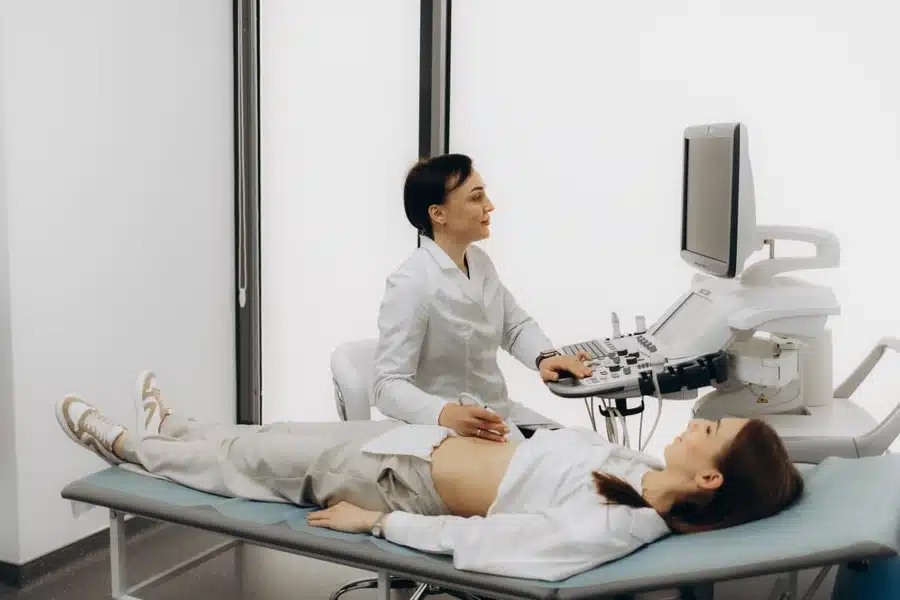
Monitoring is an important part of an IVF cycle because medication doses and timing are based on how the ovaries respond. Visits can include ultrasound examinations and bloodwork, and the care team provides instructions as the cycle progresses. Egg retrieval is a procedure, and mild cramping afterward can occur, so patients should discuss recovery expectations, medications, and any post-procedure concerns with their care team.
After retrieval, mature eggs are evaluated and combined with prepared sperm in the laboratory. In some cases, intracytoplasmic sperm injection, often called ICSI, may be considered to place a single sperm into an egg. Not every retrieved egg becomes an embryo, and not every embryo will be suitable for transfer, which is why a candid conversation about attrition and expectations is valuable before treatment begins.
Embryo choices and genetic testing conversations
IVF clinic care for IVF Treatment includes important conversations about fertilization, embryo culture, freezing, and transfer timing. These choices are shaped by medical history, embryo development, and personal preferences, rather than by a universal formula. Patients from McKeesport can use an initial visit to understand which decisions may arise in their own cycle and when those decisions are typically made.
IVF with genetic testing may be a topic for patients who want to discuss testing embryos for certain genetic or chromosomal concerns before transfer. Preimplantation genetic testing has specific purposes, limitations, and potential implications, so it should be considered with individualized medical and genetic guidance. It is not necessary or appropriate for every cycle, but it can be relevant based on age, family history, known genetic conditions, or prior reproductive history.
Preparing for Care From McKeesport
A productive first appointment starts with the information you already have. Bring or arrange relevant records when possible, including prior fertility testing, operative reports, pregnancy history, medication lists, semen analysis results, and records from previous treatment. Your care team can identify what remains useful to evaluate and avoid making assumptions from incomplete information.
A fertility consultation gives you time to explain your history and ask how testing and treatment recommendations are reached. It is also a chance to share practical considerations, such as work schedules, support at home, medication comfort, donor plans, and preferences around embryo storage or transfer. Clear communication early can make the process easier to plan.
A personalized fertility treatment plan should connect clinical findings with the next reasonable steps, rather than treating IVF as a one-size-fits-all service. The plan may address recommended testing, medication protocols, procedure timing, laboratory steps, and follow-up. It should also leave room to revisit choices if new results or changing circumstances affect the path forward.
Questions worth bringing to your appointment
Fertility treatment can involve medical, emotional, logistical, and financial decisions. Writing down questions before traveling from McKeesport to Pittsburgh can help you leave with information that is easier to use at home. Consider asking for plain-language explanations when terminology feels unfamiliar.
- What factors in my history make IVF, or another option, worth considering?
- Which tests are recommended before a cycle begins, and what could the results change?
- How often should I expect monitoring visits during stimulation?
- Could ICSI, donor gametes, embryo freezing, or genetic testing be relevant to my plan?
- What are the possible physical effects of medications and retrieval, and when should I call?
- What costs may arise at different stages, and what payment information is available?
Making IVF Treatment More Manageable
Planning for treatment includes more than the medical calendar. Patients may need to coordinate appointments, medication teaching, a ride home after retrieval, communication with a partner or support person, and time for emotional processing. A realistic plan does not remove uncertainty, but it can reduce avoidable stress during an already meaningful process.
Pittsburgh Fertility’s patient resources can help patients organize information as they move from early questions into active fertility care. Educational materials are useful for reviewing terminology, process milestones, and practical considerations between appointments. Patients should still bring individual medical questions to their care team, because general information cannot replace personalized guidance.
Reviewing financial resources early can support better planning for the costs associated with fertility services. IVF expenses can involve separate elements, such as consultations, monitoring, medications, retrieval, laboratory services, genetic testing, storage, or transfer-related care. Understanding the categories that may apply to your plan can help you prepare questions before treatment decisions are finalized.
Available payment options are another important subject to review before beginning a cycle. Ask which services are included in an estimate, which charges may be separate, when payments are due, and how insurance questions should be handled. Financial clarity is not a substitute for medical decision-making, but it is an important part of choosing a path that feels workable.
Begin Your Next Step With Pittsburgh Fertility
If you live in McKeesport, PA and are weighing IVF Treatment, Pittsburgh Fertility in Pittsburgh, PA can help you start with a focused discussion of your history and options. You do not need to have every answer before scheduling. Bringing your questions, records, and goals to an appointment is a meaningful first step toward a plan built around your situation.
Request an appointment with Pittsburgh Fertility today to discuss fertility evaluation, IVF care, and the decisions that may be relevant to your family-building goals in Pennsylvania. A conversation with the care team can help turn broad online research into practical next steps.
Request your appointment with Pittsburgh Fertility in Pittsburgh, PA.
Frequently Asked Questions About IVF Care
What is IVF Treatment?
IVF Treatment is an assisted reproductive process that involves stimulating the ovaries, retrieving eggs, fertilizing eggs with sperm in a laboratory, growing embryos, and transferring an embryo to the uterus when appropriate. The exact medications, testing, laboratory steps, and timing depend on the individual patient’s plan.
Do I need to try other fertility treatments before considering IVF?
Not always. Some patients begin with lower-intensity options, such as ovulation induction or IUI, while others may be advised to consider IVF sooner based on tubal factors, sperm-related concerns, age-related considerations, prior treatment history, or other diagnostic findings. A fertility evaluation helps clarify the reasoning.
How many appointments are involved in an IVF cycle?
The number varies by protocol and response to medication. IVF typically includes an initial evaluation, monitoring visits during stimulation, egg retrieval, laboratory updates, and transfer-related or follow-up care. Ask Pittsburgh Fertility how the expected appointment schedule may fit your individual plan and travel from McKeesport.
Can I discuss the cost of IVF before I decide to start?
Yes. It is reasonable to ask about anticipated treatment components, medication costs, potential laboratory or storage charges, genetic testing considerations, insurance questions, and payment timing before moving forward. Reviewing financial information early can help you evaluate the practical side of a proposed treatment plan.