IVF Treatment for Patients from Hermitage, PA
When pregnancy has not happened as hoped, IVF Treatment can offer a structured path forward for individuals and families from Hermitage, PA. Pittsburgh Fertility provides fertility care from its Pittsburgh, PA location, giving patients a place to discuss testing, treatment choices, and the steps involved in in-vitro fertilization before making a decision. This page explains what IVF involves, when it may be considered, and how to prepare for a meaningful first conversation.
In-vitro fertilization is not a single appointment or a one-size-fits-all recommendation. It is a multi-step fertility procedure in which eggs are retrieved, fertilized in a laboratory, and an embryo is later transferred to the uterus when appropriate. For patients traveling from Hermitage or elsewhere in Pennsylvania, knowing the sequence of care, the questions to ask, and the practical commitments involved can make the process feel more manageable.
When IVF Treatment May Be Part of Your Next Step
IVF Treatment may be considered when other approaches are unlikely to address the cause of infertility or have not resulted in pregnancy. It can be relevant for people with blocked or damaged fallopian tubes, certain ovulation concerns, diminished ovarian reserve, male-factor infertility, unexplained infertility, or a need to use donor eggs, donor sperm, or gestational carrier arrangements. A fertility evaluation is important because the right approach depends on medical history, test results, age, family-building goals, and personal preferences.
Some people pursue in-vitro fertilization after trying timed intercourse, ovulation-induction medication, or intrauterine insemination. Those options can be appropriate in selected circumstances and may involve fewer steps, while IVF gives the care team an opportunity to retrieve eggs, observe fertilization, and develop embryos outside the body. The most appropriate choice is not necessarily the most intensive one, but the one that fits the clinical picture and the patient’s priorities.
Start with a clear fertility consultation
A fertility consultation gives you time to review your reproductive history, prior pregnancies or treatment, medications, and goals before selecting a course of care. It is also the right setting to discuss which diagnostic information may be useful, such as ovulation assessment, ovarian reserve testing, uterine evaluation, semen analysis, or other testing based on your circumstances. Bringing prior records and a list of concerns can help make that first visit productive.
Patients from Hermitage, PA, may find it helpful to ask how appointments and procedures are sequenced before planning care in Pittsburgh. IVF involves time-sensitive monitoring and procedures, so understanding the anticipated visit schedule is practical, not merely administrative. Pittsburgh Fertility can discuss the treatment process and help patients understand what comes next after an evaluation.
What the IVF Process Typically Includes
Although each protocol is individualized, IVF generally includes ovarian stimulation, egg retrieval, sperm preparation and fertilization, embryo development, and embryo transfer. Medications are used to encourage multiple follicles to mature, and monitoring helps guide timing. The process requires coordination, but breaking it into stages can clarify what each stage is designed to accomplish.
- Ovarian stimulation and monitoring: Injectable or other fertility medications encourage egg development, while ultrasound and hormone monitoring help assess follicle growth.
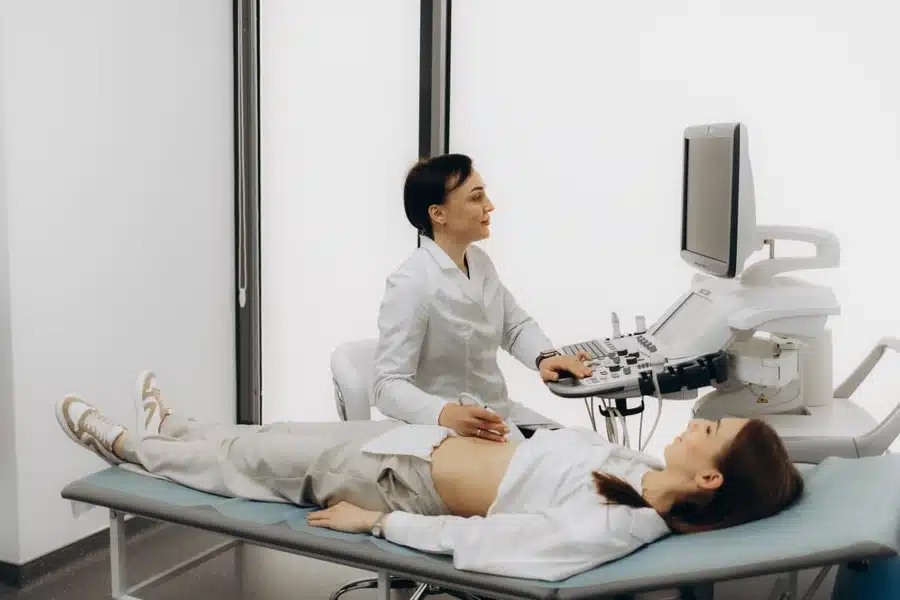
- Egg retrieval: When follicles are ready, eggs are collected in an office procedure using ultrasound guidance and light anesthesia. Mild cramping can occur afterward.
- Sperm preparation and fertilization: A semen sample from a partner or donor is prepared, and eggs are fertilized in the laboratory. In some cases, intracytoplasmic sperm injection (ICSI) may be considered.
- Embryo development and transfer planning: Embryos are observed as they develop, and the care plan addresses whether and when an embryo transfer will occur.
Medication response, embryo development, and transfer timing can vary from one person to another. Some cycles may include freezing embryos for a later transfer rather than transferring during the retrieval cycle. A clinician can explain why a fresh or frozen transfer approach may be recommended in a particular situation and what that means for the timeline.
Understanding the laboratory and embryo stage
IVF is a fertility treatment that combines eggs and sperm outside the body so embryologists can assess fertilization and embryo development before transfer planning. An IVF clinic coordinates the medical and laboratory portions of this process, but no clinic can promise that every egg will fertilize, every embryo will develop, or every transfer will result in pregnancy. Asking how updates are communicated and how embryo-related decisions are discussed can help set realistic expectations.
Embryo transfer is a distinct stage, not simply the final detail of retrieval. The number of embryos considered for transfer, the timing of transfer, and whether embryos are cryopreserved are conversations shaped by clinical factors and personal goals. Patients should feel comfortable requesting plain-language explanations of recommendations, possible risks, and the reasoning behind the proposed approach.
When IVF with genetic testing may be discussed
IVF with genetic testing may be discussed for patients with specific genetic concerns, certain reproductive histories, or a desire to learn more about embryo testing options. Preimplantation genetic testing involves evaluating embryos in a laboratory context before transfer, and it can affect the timeline because embryos are generally frozen while results are reviewed. It is not necessary or appropriate for every patient, so the potential information, limitations, costs, and implications deserve an individualized discussion.
Genetic testing does not guarantee a healthy pregnancy or replace prenatal care. It is one decision point among many in fertility care, and patients may have personal, medical, or ethical considerations that shape whether they want to pursue it. Pittsburgh Fertility can help patients understand where testing may fit within a broader reproductive plan.
Build a Treatment Plan Around Your Circumstances
A fertility treatment plan should connect diagnostic findings with practical next steps instead of assuming that every patient needs the same protocol. It may include IVF, a less intensive treatment, additional evaluation, fertility preservation considerations, or a plan to revisit options after new information is available. For Pennsylvania patients, a clear plan can also make it easier to organize time away from work, support at home, and travel for scheduled care.
Before choosing a provider or moving ahead with a cycle, consider the information that will make you feel prepared. Useful conversations often cover the expected stages of treatment, medications, monitoring needs, possible side effects, embryo-transfer strategy, communication preferences, and what happens if a cycle does not go as anticipated. Care that addresses questions directly can help patients make informed decisions without minimizing the emotional weight of infertility.
- Ask which findings support IVF rather than another fertility approach.
- Discuss the anticipated monitoring, retrieval, laboratory, and transfer timeline.
- Clarify what records, testing, or medication instructions are needed before treatment begins.
- Talk about emotional support, partner involvement, and how the office communicates updates.
Plan for the financial and practical side of care
Reviewing financial resources early can help patients understand which questions to ask about the cost components of a fertility journey. IVF can involve consultations, testing, medications, monitoring, retrieval, laboratory services, cryopreservation, transfer, and optional services, depending on the plan. Early financial planning allows you to consider your household budget and avoid treating cost questions as an afterthought.
Pittsburgh Fertility shares payment options so prospective patients can explore available information before or during the planning process. Because coverage and out-of-pocket responsibility can differ by insurance plan and treatment recommendation, it is wise to confirm details directly rather than making assumptions. Asking for clarity about anticipated charges and timing can support more confident decision-making.
The practice’s patient resources can be useful when you want to organize questions, review fertility information, and prepare for appointments. Reliable information is especially valuable when treatment involves unfamiliar terminology, medications, and several decision points. Use educational materials as a starting point, then bring individualized questions to your care team.
Choose a Next Step That Feels Informed
Considering IVF can bring hope alongside uncertainty, especially after a long period of trying to conceive or receiving unexpected test results. A thoughtful consultation can help separate what is known from what still needs evaluation and identify the choices available to you. Pittsburgh Fertility offers patients from Hermitage and throughout Pennsylvania the opportunity to discuss IVF care at its Pittsburgh, PA location.
You do not need to have every answer before requesting an appointment. A first conversation can clarify whether IVF is worth considering now, what evaluation may be needed, and how to prepare for the next phase of care. If you are ready to discuss IVF Treatment with Pittsburgh Fertility, request an appointment at the Pittsburgh, PA location.
Common Questions About IVF Care
What is IVF Treatment?
IVF Treatment is a fertility procedure in which eggs are stimulated and retrieved, combined with sperm in a laboratory, and developed into embryos that may later be transferred to the uterus. It is often considered when infertility factors or prior treatment history make other approaches less suitable.
Do I need to try other fertility treatments before IVF?
Not always. Some patients may reasonably begin with medication or intrauterine insemination, while others may be advised to consider IVF earlier because of their diagnosis, reproductive history, age-related considerations, or family-building needs. A fertility evaluation helps determine which approach makes sense for your situation.
How many visits should a patient from Hermitage expect during an IVF cycle?
The number and timing of visits depend on the treatment protocol, medication response, monitoring needs, retrieval, and transfer plan. Ask Pittsburgh Fertility to explain the anticipated schedule before beginning care so you can make practical plans around appointments in Pittsburgh, PA.
Can I ask about cost and genetic testing before deciding to start?
Yes. Financial questions and questions about embryo testing are important parts of treatment planning. Discuss anticipated treatment components, available payment information, the purpose and limitations of genetic testing, and whether either option fits your individual circumstances before making decisions.