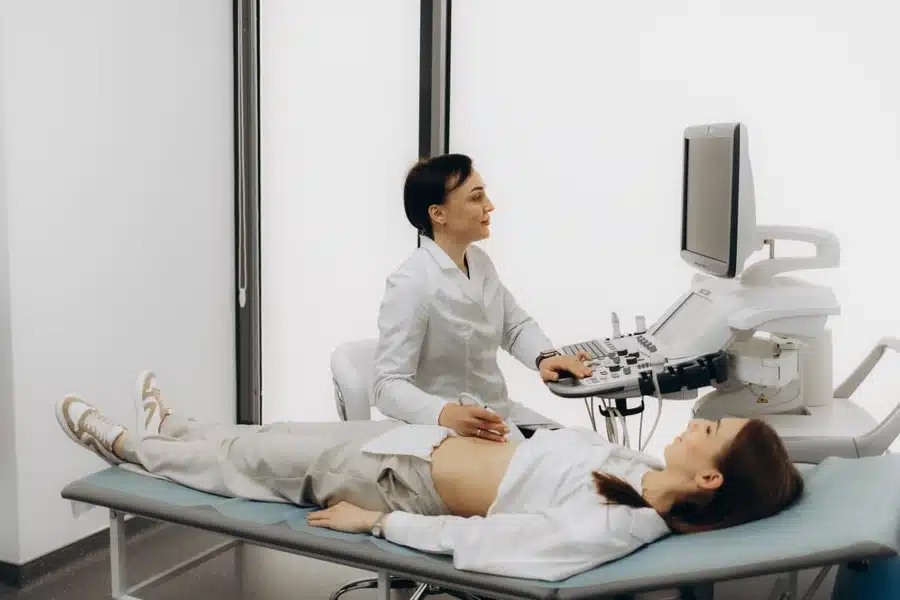
IVF Treatment for Patients from Duquesne, PA
For people in Duquesne, PA who are considering IVF Treatment, the next step is often a clear conversation about what is affecting conception and which options fit their goals. Pittsburgh Fertility provides in-vitro fertilization care from its Pittsburgh, PA location for patients seeking a structured path forward in Pennsylvania. The process can involve medical decisions, timing, finances, and emotions, so a plan should begin with information that is specific to you.
In vitro fertilization is a reproductive treatment in which eggs are retrieved, fertilized with sperm in a laboratory, and allowed to develop into embryos before an embryo transfer to the uterus. It may be considered after other treatments have not worked, when certain fertility factors are present, or when intended parents need options involving donor sperm, donor eggs, or genetic testing. Pittsburgh Fertility can help patients from Duquesne understand whether this approach or another fertility service makes sense before they commit to a cycle.
What IVF Treatment can address
IVF is not one identical experience for every patient. It is a multi-step treatment that allows a care team to monitor egg development, retrieve mature eggs, fertilize them outside the body, and plan for embryo transfer. That level of coordination can make IVF an appropriate discussion for individuals and couples facing a range of reproductive circumstances.
Patients may ask about IVF Treatment when they have experienced unsuccessful attempts with timed intercourse, ovulation-induction medication, or intrauterine insemination. It can also be relevant for tubal-factor infertility, some male-factor concerns, diminished ovarian reserve, unexplained infertility, or a need to use donor reproductive material. A consultation is important because the reason for seeking care, age, medical history, prior testing, and family-building preferences all affect what may be recommended.
- Stimulation medications encourage several follicles to mature during a treatment cycle.
- Egg retrieval collects eggs from the ovaries during a brief office procedure performed under light anesthesia.
- Embryologists evaluate eggs, prepare sperm, and fertilize mature eggs in the laboratory.
- Embryo development and transfer planning guide the next stage of care.
How the IVF process generally unfolds
Although an IVF cycle has recognizable stages, the timing and details are individualized. Medication is used first to support follicle growth, with monitoring used to follow the response. When follicles are mature, egg retrieval is scheduled; afterward, a sperm sample from a partner or donor can be prepared for fertilization.
After fertilization, embryo development is observed in the laboratory. Depending on the treatment plan, embryos may be transferred to the uterus or may be cryopreserved for a later transfer. Mild cramping can occur after retrieval, and patients should ask their care team about expected recovery, medications, activity guidance, and when to call with concerns.
Understanding the role of an IVF clinic
Choosing an IVF clinic means choosing a setting that can explain the medical steps as well as the practical decisions around them. Ask how the clinic approaches diagnostic review, cycle monitoring, egg retrieval, laboratory fertilization, embryo transfer, communication, and questions that arise between visits. Clear explanations help prospective patients compare options without assuming that every fertility pathway requires the same treatment.
Pittsburgh Fertility is located in Pittsburgh, PA, rather than Duquesne. For patients traveling from Duquesne or elsewhere in Pennsylvania, it is useful to discuss appointment scheduling, the number and purpose of expected visits, and how the clinic will communicate instructions throughout a cycle. Practical planning can make a demanding process feel more manageable while keeping attention on clinical decisions.
Starting with a personalized evaluation
A thoughtful fertility evaluation helps determine whether IVF is appropriate now, later, or perhaps not needed at all. The review may consider menstrual and ovulation history, prior pregnancies, previous fertility treatment, semen-related factors, tubal or uterine considerations, medications, and relevant health history. Testing and recommendations should be based on the individual patient or couple rather than a one-size-fits-all sequence.
A fertility consultation gives patients a focused place to discuss their history, concerns, and family-building goals before moving into treatment. It is also an opportunity to ask what diagnostic information may be needed and whether lower-intervention options could reasonably be considered first. For many people, having the process explained in order reduces uncertainty and makes the next decision easier.
Once evaluation information is available, a fertility treatment plan can organize the recommended steps, medication approach, monitoring, procedures, and embryo-transfer considerations. A plan should also identify which choices are time-sensitive and which can be revisited as results emerge. Patients should feel comfortable asking why a recommendation is being made, what alternatives exist, and how the plan may change if the response to medication differs from expectations.
When genetic testing may be part of the conversation
IVF with genetic testing refers to a pathway in which embryos may be tested before transfer for specific genetic information. This option may be discussed for patients with particular inherited genetic concerns or other circumstances where embryo testing is being considered. It is not automatically necessary for every IVF patient, so a clinician can explain its purpose, limitations, potential timing effects, and whether it aligns with your situation.
Genetic testing can add decisions beyond the standard fertilization and transfer process. Prospective parents may want to ask what type of testing is under consideration, what results can and cannot tell them, whether embryo freezing is involved, and how results could influence transfer planning. A clear discussion supports informed consent and avoids treating testing as a guarantee of pregnancy or a guarantee of a particular outcome.
Making informed choices before beginning a cycle
IVF can be a meaningful option, but it is reasonable to compare it with other approaches. Depending on the diagnosis and personal timeline, alternatives may include expectant management, ovulation medication, intrauterine insemination, fertility preservation, or using donor eggs or sperm. The best next step depends on the clinical picture and the priorities that matter most to the person pursuing care.
As you compare fertility services, focus on the quality of the conversation as much as the name of a treatment. You should understand the purpose of each recommended test and procedure, the anticipated sequence of visits, the possible role of embryo freezing, and the support available when plans change. No fertility treatment can promise a particular result, but a transparent plan can help you make decisions with realistic expectations.
- What diagnosis or unanswered question is influencing the recommendation for IVF?
- Which medications, procedures, and monitoring visits are likely to be part of my cycle?
- Could ICSI, donor sperm, donor eggs, embryo freezing, or genetic testing be relevant to my plan?
- What should I expect after egg retrieval and after embryo transfer?
- What costs should I anticipate, and when are financial decisions made?
Emotional readiness matters, too. IVF often involves waiting for monitoring results, making choices about embryos, and balancing treatment with work and family responsibilities. Bringing a partner, support person, or a written list of questions to appointments can help patients retain information and participate confidently in decisions.
Planning for cost and practical support
Pittsburgh Fertility’s financial resources can help patients begin organizing questions about the financial side of fertility care. IVF may involve separate elements such as consultation, testing, medications, retrieval, laboratory services, and transfer-related care, depending on the individual plan. Reviewing available information early can help you prepare for a candid conversation about anticipated expenses.
Available payment options are also worth reviewing before a cycle begins. Patients can ask which charges may arise at different points in care, whether a proposed plan has optional components, and what information is needed to make payment arrangements. Financial clarity does not remove every uncertainty, but it can prevent avoidable surprises while you focus on treatment decisions.
The practice’s patient resources can provide a useful starting point for preparing for visits and learning about the fertility-care process. Educational materials work best alongside direct guidance from your care team, especially when instructions relate to medications, testing, or procedure timing. Keep a record of questions and ask for clarification whenever terminology or next steps are unclear.
Frequently asked questions about IVF care
What is IVF Treatment?
IVF Treatment is a fertility process that uses medications to mature eggs, retrieves eggs from the ovaries, fertilizes eggs with sperm in a laboratory, and plans an embryo transfer to the uterus. It may be considered for several fertility diagnoses, but an evaluation determines whether it is appropriate for an individual patient.
Do I need to try other fertility treatments before IVF?
Not always. Some people begin with less invasive treatment, such as ovulation medication or intrauterine insemination, while others may be advised to discuss IVF earlier because of their diagnosis, reproductive history, age-related considerations, or need for donor material or genetic testing. The right sequence should follow an individualized evaluation.
Can patients from Duquesne receive care at Pittsburgh Fertility?
Yes. Pittsburgh Fertility serves patients at its Pittsburgh, PA location, and patients from Duquesne can request an appointment to discuss fertility concerns and possible IVF care. Before starting treatment, ask about the expected visit schedule, monitoring needs, procedures, and planning considerations for travel from Duquesne.
What happens after egg retrieval?
After retrieval, the laboratory assesses the eggs and prepares sperm for fertilization. Embryos are observed as they develop, and the next step may involve fresh transfer planning, cryopreservation, or genetic testing depending on the individualized plan. Your care team can explain what updates and instructions to expect.
Take the next step with Pittsburgh Fertility
If you are exploring IVF Treatment from Duquesne, PA, Pittsburgh Fertility can help you begin with a conversation centered on your history, questions, and family-building goals. You do not need to have every answer before reaching out. A consultation can clarify whether IVF, another treatment, or additional diagnostic evaluation is the most sensible next step.
Request an appointment with Pittsburgh Fertility in Pittsburgh, Pennsylvania to discuss your options and receive guidance on a treatment path that reflects your needs. Request your appointment today and start a more informed conversation about fertility care.