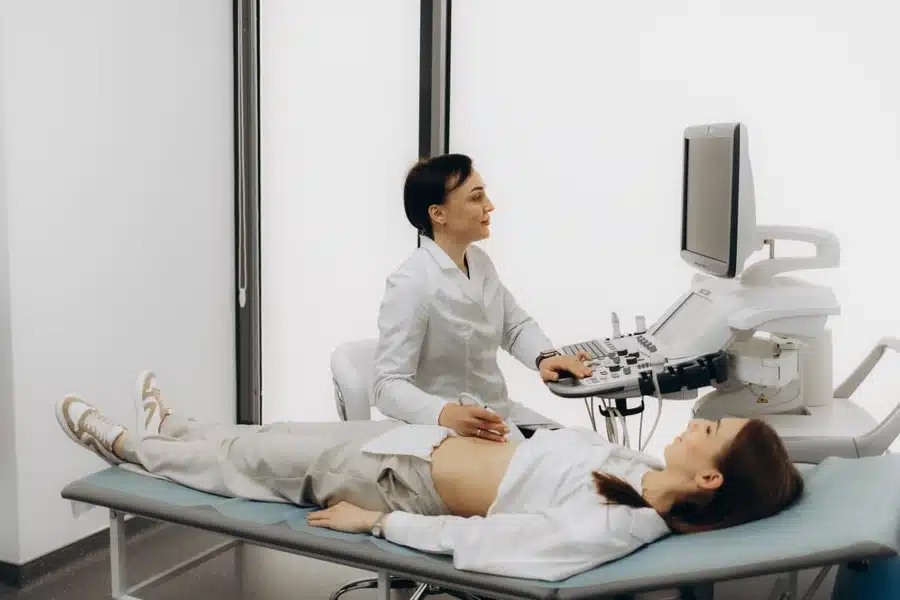
IVF Treatment for Patients from Beaver Falls, PA
For people and families in Beaver Falls, PA, IVF Treatment can offer a structured path forward when pregnancy has not happened as expected or when a specific fertility concern calls for more advanced care. Pittsburgh Fertility serves patients from the region at its Pittsburgh, PA location, providing consultation, evaluation, and individualized discussion of assisted reproductive options. The first step is not a one-size-fits-all protocol. It is a clear conversation about your history, goals, testing, timing, and the care that may make sense for you.
In vitro fertilization, often called IVF, combines eggs and sperm in a laboratory so resulting embryos can be evaluated and, when appropriate, transferred to the uterus. It may be considered for a range of circumstances, including blocked or damaged fallopian tubes, ovulatory concerns, male-factor infertility, diminished ovarian reserve, unexplained infertility, use of donor eggs or sperm, or a need to consider embryo genetic testing. Pittsburgh Fertility can help patients understand what this treatment involves and whether it fits their next step.
When IVF may be part of your fertility care
IVF is an assisted reproductive technology that can create more options than treatments that rely on fertilization occurring inside the body. It is often discussed after diagnostic findings or after less complex treatment has not led to pregnancy, but it is not automatically the right starting point for everyone. A careful review of age, ovarian reserve, sperm parameters, fallopian-tube status, prior pregnancies, medical history, and family-building preferences guides the conversation.
Choosing a treatment approach can involve emotional, medical, and practical considerations. Some patients may begin with medication to support ovulation or intrauterine insemination, while others may have factors that make in vitro fertilization a more direct option. The value of an individualized approach is that it explains not only what may be recommended, but also why that option is being considered and what alternatives remain available.
A consultation creates a starting point
A fertility consultation gives patients time to discuss reproductive history, prior testing or treatment, medications, medical conditions, and family-building goals with a fertility care team. This visit can identify which diagnostic information is already available and what additional assessment could help guide decisions. For patients traveling from Beaver Falls or elsewhere in Pennsylvania, bringing prior records and a list of medications can make the discussion more productive.
Fertility care is relevant to individuals and couples with many different paths to parenthood. The discussion may include using a partner’s sperm, donor sperm, donor eggs, or embryos when applicable to a patient’s situation. Rather than making assumptions based on a single diagnosis, the care process should connect recommended testing and treatment choices to the person or people pursuing pregnancy.
What the IVF process generally involves
The IVF process is multi-step and unfolds over time because eggs must mature, be retrieved, fertilized, and developed into embryos before transfer can be considered. Pittsburgh Fertility’s IVF care includes ovarian stimulation, an in-office egg retrieval procedure under light anesthesia, sperm collection and preparation, laboratory fertilization, and embryo transfer as part of the treatment journey. Exact medications, monitoring, laboratory decisions, and timing depend on the patient’s clinical plan.
- Ovarian stimulation: Fertility medications encourage multiple follicles to grow, with monitoring used to assess the response and help time the next stage.
- Egg retrieval: Once follicles are mature, eggs are collected during a procedure using ultrasound guidance. Mild cramping can occur afterward, and patients should receive individualized instructions about recovery.
- Fertilization and embryo development: Eggs are assessed for maturity and combined with prepared sperm in the laboratory. In some situations, intracytoplasmic sperm injection (ICSI) may be discussed to place a single sperm into an egg.
- Embryo transfer: An embryo may be transferred to the uterus according to the clinical plan. Some embryos may be frozen for possible future use when appropriate.
Understanding the laboratory and transfer stages
Many people use IVF to refer to the entire cycle, but the term includes several distinct decisions after retrieval. The laboratory evaluates eggs and observes embryo development, while the care team discusses timing and the number of embryos for transfer based on individual clinical circumstances. Fertilization and embryo development cannot be guaranteed, so it is important to understand the possible outcomes at each stage before beginning a cycle.
Embryo transfer is only one part of the process, and it is not always performed immediately after egg retrieval. A treatment plan may call for fresh transfer or for freezing embryos for transfer in a later cycle, depending on clinical factors. Patients should ask how their plan addresses medication timing, monitoring, embryo development updates, post-retrieval guidance, and the pregnancy test that follows a transfer.
Personalizing IVF decisions before a cycle begins
A written fertility treatment plan turns the information from testing and consultation into practical next steps. It can outline the proposed treatment, anticipated sequence of care, medication considerations, monitoring needs, and decisions that may arise during the cycle. A plan is particularly useful because IVF care has several stages, and patients deserve to know the purpose of each stage before they begin.
Medical fit is important, but personal priorities matter too. One patient may prioritize a faster path to creating embryos, another may want to explore less invasive treatment first, and another may be focused on fertility preservation or a genetic concern. Clear communication about these priorities helps make the treatment discussion more relevant and supports informed consent throughout care.
Considering genetic testing of embryos
IVF with genetic testing may be discussed when a patient has a known genetic condition, a chromosome-related concern, recurrent pregnancy loss, or another reason to explore embryo testing with a fertility specialist. Preimplantation genetic testing involves analyzing embryos before transfer, which can provide additional information for embryo selection in appropriate cases. It is not necessary or appropriate for every IVF cycle, and a consultation can clarify its purpose, limitations, and potential effect on timing.
Genetic testing adds decisions beyond the standard IVF sequence. Patients may need to consider whether enough embryos are likely to be available for testing, how results could influence transfer choices, and whether genetic counseling is appropriate for their circumstances. A careful explanation of these considerations can help patients weigh added information against added complexity and cost.
Planning for care from Beaver Falls
For prospective patients seeking an IVF clinic, the provider selection process should include more than the procedure itself. Look for clear explanations of the evaluation, cycle steps, communication expectations, laboratory-related decisions, safety instructions, and follow-up. Pittsburgh Fertility is located in Pittsburgh, Pennsylvania, and patients from Beaver Falls can request an appointment to discuss care in the context of their individual needs.
IVF requires appointments at specific points in a cycle, so practical planning is part of preparation. Before committing, patients may wish to discuss anticipated monitoring, retrieval-day support needs, recovery instructions, how cycle updates are communicated, and which decisions could change based on response to medication. Knowing these details in advance can reduce avoidable uncertainty and make it easier to arrange work, caregiving, and transportation responsibilities.
- Gather prior fertility records, test results, and a current medication list.
- Write down pregnancy goals, preferences about donor options if relevant, and any genetic or family-history concerns.
- Review the expected sequence of visits and the support needed on retrieval day.
- Discuss financial questions early, including what is included in a proposed cycle and what may be separate.
Resources that support informed decisions
Pittsburgh Fertility’s patient resources can help prospective patients prepare for fertility care by organizing useful information about the process and available services. Reviewing educational materials before an appointment can make it easier to follow medical explanations and identify priorities for the consultation. Resources are most helpful when paired with individualized clinical guidance, since online information cannot account for a person’s full medical history.
Understanding costs is also a meaningful part of selecting a fertility provider. The practice’s financial resources page offers a starting point for patients who want to prepare for the financial side of treatment. Financial planning does not determine clinical suitability, but it can help patients consider timing, anticipated expenses, and the questions they need answered before starting a cycle.
Reviewing available payment options can further support a realistic plan for IVF-related care. Patients should confirm current details directly with the practice and ask which services, medications, laboratory components, testing, and cryopreservation-related items may be billed separately. An open financial conversation early in the process helps patients make decisions with a fuller understanding of both care and cost considerations.
Frequently asked questions about IVF care
What is IVF Treatment?
IVF Treatment is a fertility process in which eggs are retrieved from the ovaries, fertilized with sperm in a laboratory, and allowed to develop into embryos. An embryo may then be transferred to the uterus. The process commonly includes medication-based ovarian stimulation, monitoring, egg retrieval, laboratory fertilization, and transfer planning.
Is IVF only considered after other fertility treatments?
No. Some people pursue IVF after treatments such as ovulation induction or intrauterine insemination, while others may be advised to discuss it earlier because of tubal factors, sperm-related concerns, age-related considerations, genetic needs, or other diagnostic findings. The appropriate sequence depends on a complete clinical assessment and personal goals.
How long does an IVF cycle take?
The timeline varies because it includes consultation, testing, medication preparation, ovarian stimulation, monitoring, egg retrieval, embryo development, and transfer planning. A transfer may occur during the retrieval cycle or later if embryos are frozen. Pittsburgh Fertility can explain the anticipated timeline for an individual’s proposed care plan.
Can patients from Beaver Falls receive IVF care at Pittsburgh Fertility?
Patients from Beaver Falls, PA can request an appointment with Pittsburgh Fertility in Pittsburgh, PA to discuss IVF and other fertility options. The practice can review your history, explain the evaluation and treatment process, and help you understand the next steps that may be appropriate for your situation.
Parenthood planning can feel complex, but you do not need to sort through every decision alone. If you are considering IVF Treatment and live in Beaver Falls, Pennsylvania, request an appointment with Pittsburgh Fertility in Pittsburgh, PA to discuss your history, treatment possibilities, and practical next steps. Request your appointment with Pittsburgh Fertility today.